
Parent Species:
Shade-Tolerant St. Augustinegrass
The cultivars that hold a dense lawn under a live oak, where the standard sun types stretch out and thin.
Is Shade-Tolerant St. Augustinegrass Right For Your Yard?
Best For:
Tradeoff:
What Makes It Different
UF/IFAS names a short list of St. Augustinegrass cultivars as the most shade-tolerant, and these three are on it. Floratam, the most widely planted cultivar in the South, is not — it rates only fair for shade and thins fast under a canopy. That gap is what this page exists for.
The species trick is on the type page: the 90-degree twist at the collar lays the wide blade flat to catch what light there is. What separates these cultivars is what happens when that still is not enough. St. Augustinegrass answers low light by stretching — taller growth, thinner leaves, longer stolon internodes, a canopy that opens and thins. A cultivar bred with short internodes and a low, dense habit has less runway to stretch, so it stays tight instead of stringing out. That is why the dwarfs and semi-dwarfs carry shade best.
There is a hard floor underneath all of it: 4 to 6 hours of direct or bright filtered sun. Below that, no cultivar saves the lawn — the answer becomes mulch, groundcover or a shade bed, not different sod.
And here is what most shade advice misses: shade tolerance is not only about light, it is about how long the leaves stay wet. Wetness beyond about ten hours drives gray leaf spot and large patch, and shade, still air and no morning sun all extend it. Five hours of morning sun is worth more than five of afternoon sun, because morning light dries the canopy before the fungi get going. Thinning the branches overhead for light and air movement will do more than any cultivar choice.
Who It’s For
The classic Gulf South shaded front yard — under mature live oaks, or beneath a closed pine canopy. Also north-facing yards, and the strip between a house and a fence line that gets nothing direct after noon.
Not for a yard that is half deep shade and half open sun with no irrigation: Seville burns out in full sun without heavy watering, so you would be asking one cultivar to do two incompatible jobs. And not for the transition zone — Seville is injured below about 15°F. If your yard is both shaded and cold, go to the cold-hardy page, where Cobalt and Sola carry top shade ratings and survive Zone 8a.
The Cultivars
| Cultivar | How it’s sold | What it’s good at | Notes |
| CitraBlue | Sod and 72-count plug trays. Patented, licensed through Sod Solutions and Turfgrass Producers of Florida. About $260–320 a pallet. | The strongest all-round pick and usually the easiest of the three to actually buy. A 2019 University of Florida release, semi-dwarf, mowed 2 to 3 inches. University data supports good tolerance to large patch, take-all root rot and gray leaf spot, plus a dense horizontal habit that cuts how often you mow. Distinctive blue-green color. | Widely grown across Florida, Texas, Alabama and Georgia. Its chinch bug resistance was still being evaluated by extension as of 2020, so do not count on it. It is also tolerant of lethal viral necrosis — see the virus-resistant page if that is your situation. |
| Seville | Sod and retail plug packs. Off-patent and unrestricted. About $200–240 a pallet. | The budget shade option. A true dwarf, fine-textured, mowed 2.0 to 2.5 inches, and still on the UF/IFAS most-shade-tolerant list after four decades. | It is cheap for reasons. Cold-sensitive — injured below about 15°F, so it is out anywhere near the northern edge. Florida and coastal producers are shifting acreage away from it toward Palmetto and CitraBlue over chinch bugs, sod webworms, cold snaps and fungal disease. It also burns out in full sun without heavy irrigation. |
| ProVista | Sod, largely from Florida farms, and mail-order plug trays sold as SodPods, including through national retailers. About $280–350 a pallet. | The herbicide-tolerance cultivar. Genetically engineered by Scotts from Floratam parentage to tolerate glyphosate and quinclorac, both of which injure or kill ordinary St. Augustinegrass. Slow vertical growth roughly halves mowing frequency. UF/IFAS lists it among the most shade-tolerant cultivars. | Not a dwarf, despite sitting on this page — Scotts states it mows at normal St. Augustine height and directs owners to UF/IFAS’s Floratam management practices. Its shade upside is better described as improved performance in moderate shade than as deep-shade capability, and its Floratam parent rates only fair. Outside Florida, shipping and quarantine make sod impractical, so plug trays are the realistic route. |
Three more cultivars share the top shade rating but live on other pages, because shade is not their headline claim: Palmetto on the virus-resistant page, Cobalt and Sola on the cold-hardy page. If one of those is what your local farm grows, you are not compromising on shade.
What Changes In Care
- Mow at the top of the range for your cultivar — and the ranges differ here. More leaf area captures more light and higher mowing drives deeper rooting, so the highest setting the cultivar allows is the right one in shade. Seville is a true dwarf at 2.0 to 2.5 inches, CitraBlue semi-dwarf at 2 to 3, and ProVista is not a dwarf at all and mows at 3 to 4. Do not apply one number to all three.
- Thatch becomes the running job. Dwarfs and semi-dwarfs build it fast, and over-fed they turn into chinch bug, sod webworm and large patch factories — so plan on core aeration or light verticutting every year from year two. The parent page’s warning applies double: with no rhizomes, the surface runners are the entire plant, so hard power-raking can kill the lawn. Aeration plus a quarter-inch sand or compost topdressing is the gentler route.
- Feed less, not more. Stay at the low end of your region’s nitrogen range, never more than 1 pound per 1,000 square feet at once — excess nitrogen becomes thatch faster in a dwarf, and thatch is where the chinch bugs live. Water in the early morning too: a shaded canopy is already slow to dry, and evening watering hands the fungi the leaf wetness they need.
- Herbicides, and the one real exception. The type page’s account of this species’ narrow herbicide tolerance applies to CitraBlue and Seville unchanged. ProVista tolerates glyphosate and quinclorac. Two cautions: that is a cultivar fact, not a species fact, so whoever maintains the lawn after you needs to know which grass they are on; and consumer “Roundup” no longer reliably contains glyphosate, so the tolerance only helps if you read the active-ingredient panel.
Before You Buy
- Measure the light in July, with the leaves out — not in March when the canopy is bare. Count real hours of direct or bright filtered sun and be honest about the number. Under four hours, change the plan rather than the cultivar. Where the siting is still open, put the lawn where the sun arrives early.
- Do not let price make the decision. Seville is the cheapest of the three and genuinely shade-capable, but producers are moving away from it over chinch bugs, sod webworms, cold snaps and fungal disease. Buy it knowing that, or spend the difference on CitraBlue.
- ProVista is Florida sod. Outside Florida, mail-order plug trays are the realistic route, and they need months of close watering before they knit. It also carries license terms on mowing height and interval — read them before committing.
- Buy certified Blue Tag sod of a named cultivar. Generic “common” carries weeds, is not uniform, and is unusually sensitive to 2,4-D. There is no St. Augustine seed. And budget for the thatch work from the start — skipping it is the standard way a shaded dwarf lawn becomes a pest problem three years in.
- What a farm within 150 to 200 miles grows will shape this as much as the ratings do, since a pallet weighs up to 3,000 pounds. Expect roughly $200–240 for Seville, $260–320 for CitraBlue and $280–350 for ProVista.
Deep Dives & Practical Guides
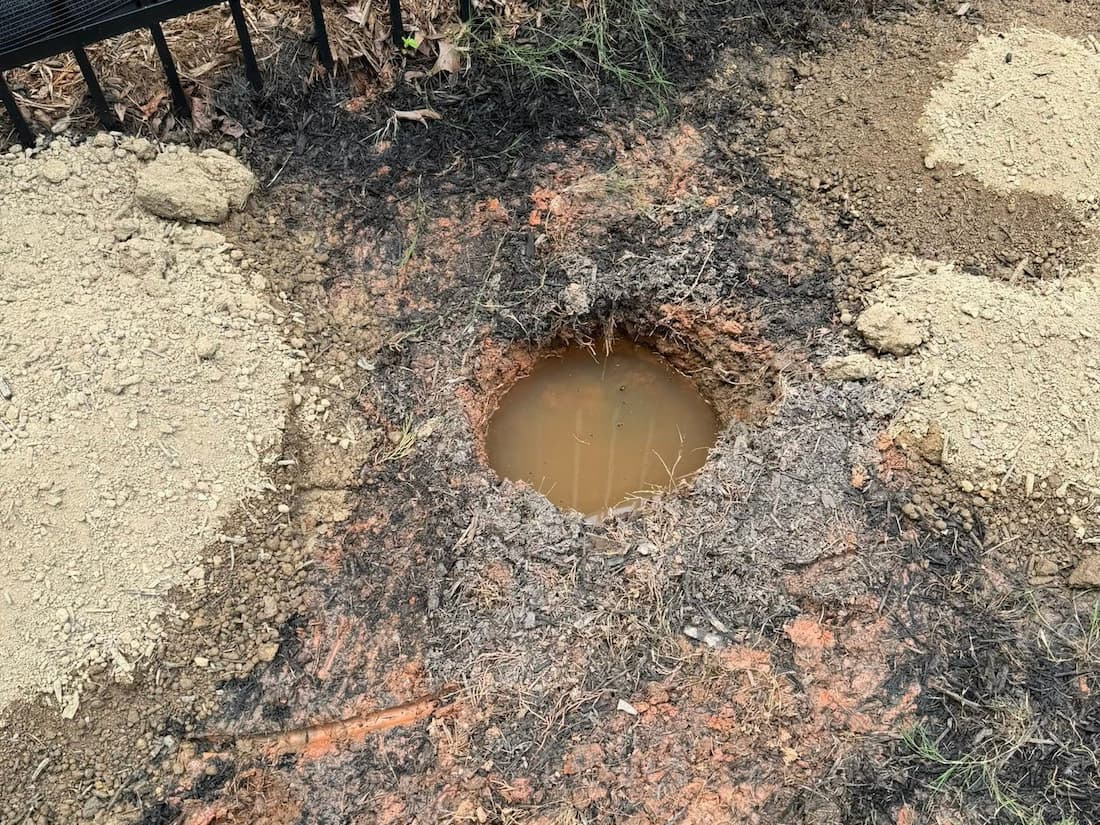
The Hole You Dug Is Killing Your New Plants
A shrub that looked fine all summer and stalled the next year usually didn't fail because of the plant, the weather, or the nursery. It failed because the hole it went into was a container — smooth-walled, water-holding, and impossible to root out of.
Read Article
What You Can Actually Change About Bad Soil
Heavy clay and loose sand feel like permanent sentences, and half of that is true. What your soil is made of will not change. How those particles are arranged will — and that is the half that decides whether anything grows.
Read Article
Why Your Plants Survive Winter and Die in July
Your hardiness zone is built from one number — the coldest night of an average year. It says nothing about the hottest afternoon, which is what actually kills most plants people lose. Here's how to read the other half of the map.
Read Article
Why Poa Annua Keeps Coming Back — and the 3-Year Plan That Finally Ends the Cycle
You've pulled it. You've sprayed it. You've watched the little white seedheads mock you every single spring. And every fall, like clockwork, it's back — in the lawn, in the beds, in the cracks you didn't know you had. Here's the hard truth nobody at the big-box store will tell you: you're not losing because you're doing it wrong — you're losing because you're fighting the wrong enemy on the wrong timeline. Poa annua isn't a one-season problem, and once you understand why, the three-year plan below stops feeling like a chore and starts feeling like a countdown.
Read Article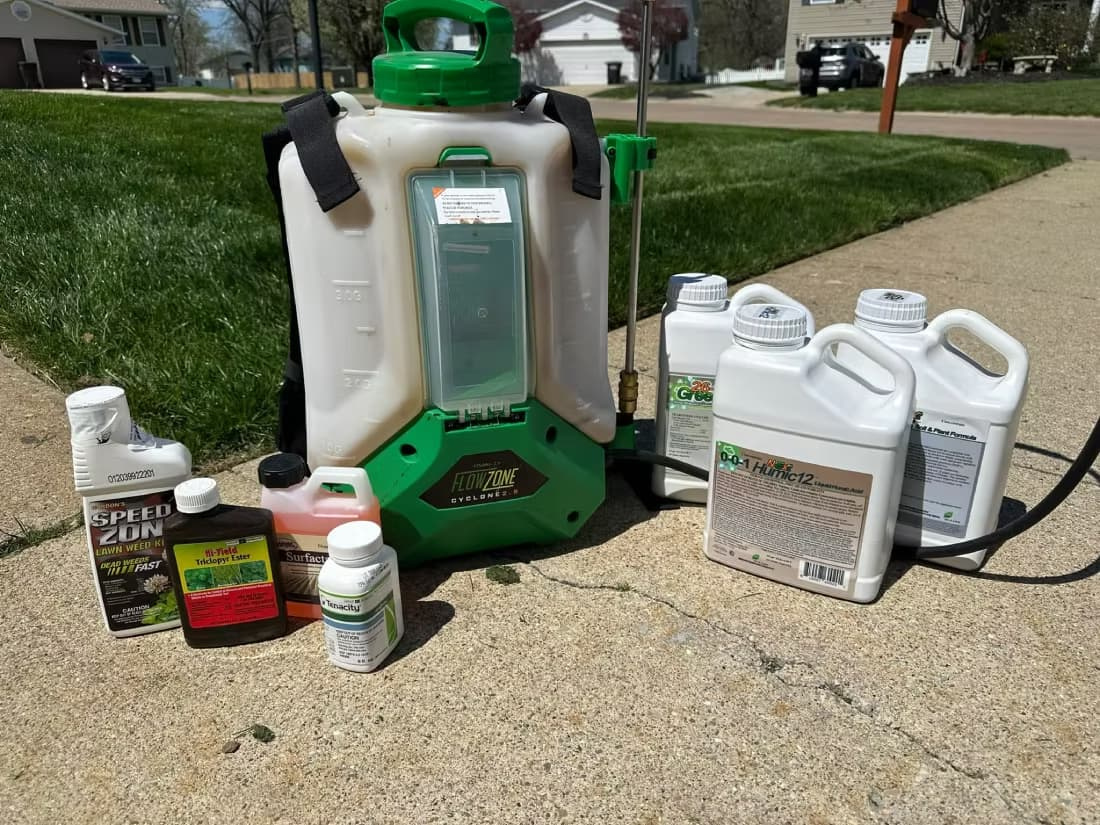
How to Apply Herbicides Correctly in Your Lawn and Garden Beds
Getting real results from a weed product has almost nothing to do with the brand on the bottle and everything to do with matching the method to the moment — the right chemistry, in the right place, at the right time. Learn how to apply herbicides correctly across both your lawn and your garden beds, whether you’re stopping weeds before they sprout or killing the ones already growing, without wasting product or harming the plants you want to keep.
Read Article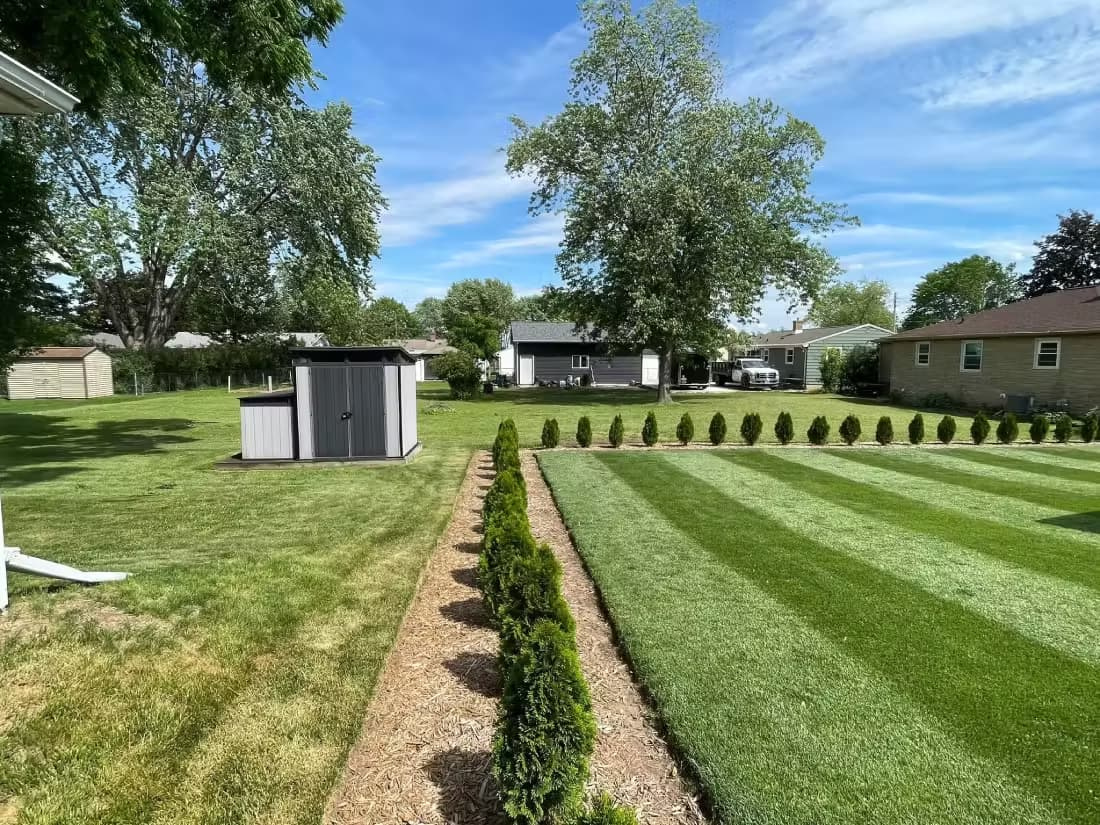
How to Kill Weeds Where Two Lawns Meet Without Harming Your Neighbor’s Grass
Controlling weeds along a shared property line is where good intentions quietly backfire—the season that's safe for your own lawn is often the season the lawn next door is most easily harmed. Learn the seasonal timing collision behind most fence-line damage, and the two habits that prevent it—reading what's actually in the bottle and spraying directed instead of broadcast—so you can clear the weeds without hurting your grass, your neighbor's, or the peace between you.
Read Article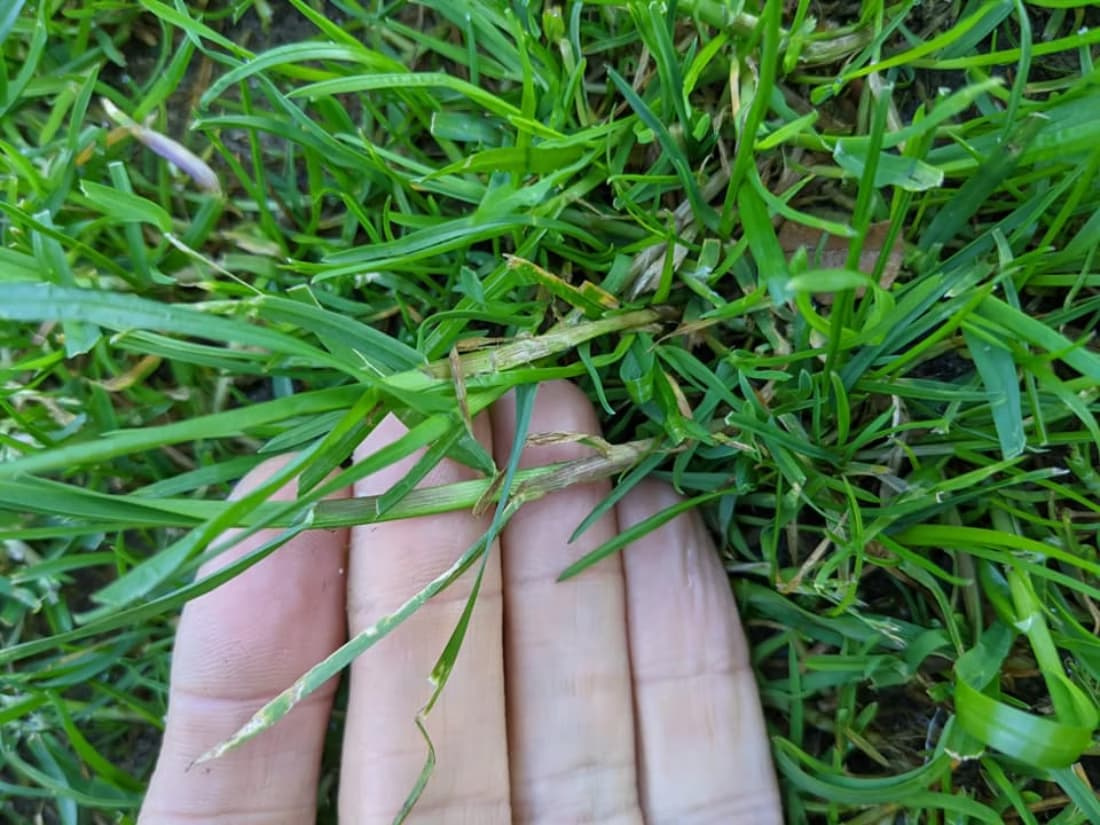
The Truth About One-and-Done Weed Control
Most homeowners lose the fight against weeds not because they work too little, but because they act before they understand. One-and-done weed control is real — but it only works when identification, timing, and the right tool all line up. This guide explains how that sequence works across your lawn and your ornamental beds, and how each weed page in the MFY hub puts it into practice for your specific invader.
Read Article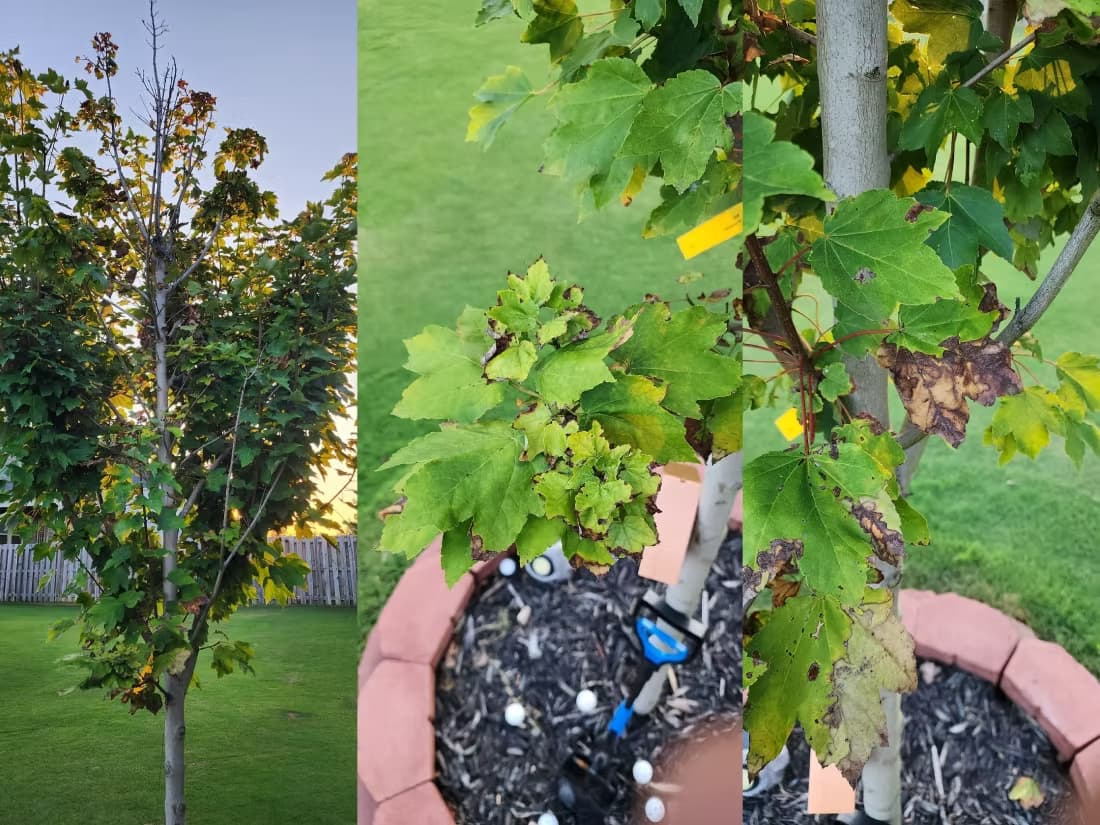
Solving the Mystery of the False Evidence in Your Lawn and Landscape
A brown leaf or a yellowing lawn is rarely what it seems. When symptoms act as decoys, a calm, forensic approach brings clarity to the confusion. Learn how to look past the surface to find the quiet truth of what your plants are truly asking for.
Read Article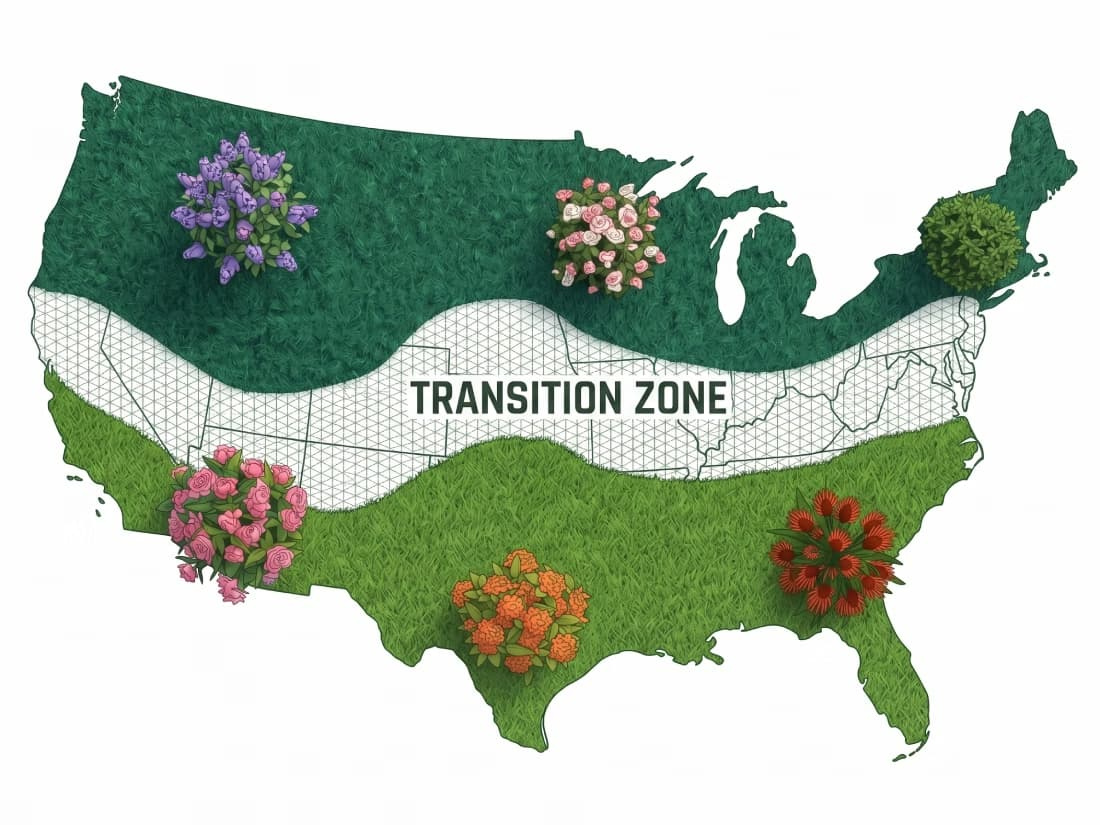
Living in the Middle: The Deep-Dive Guide to Transition Zone Lawns and Landscapes
The Transition Zone is a biological tug-of-war where neither northern nor southern species perfectly adapt. By using resilient "bridge" species and mastering maintenance levers like the Mowing Pivot, you can transform a struggling yard into a healthy landscape.
Read Article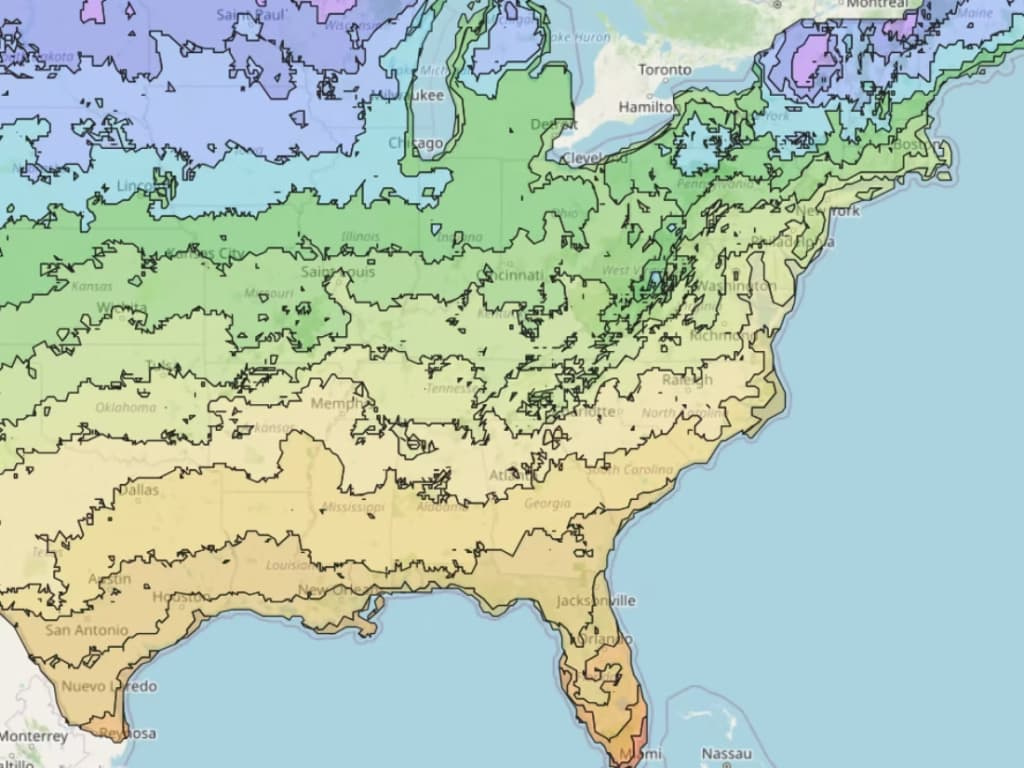
What Your Hardiness Zone Really Means for Your Lawn and Plants
Uncover the foundation of a resilient landscape by mastering the science of hardiness zones. Learn how these climate boundaries are calculated and why understanding your local temperature limits is the first step toward choosing plants that thrive year after year.
Read Article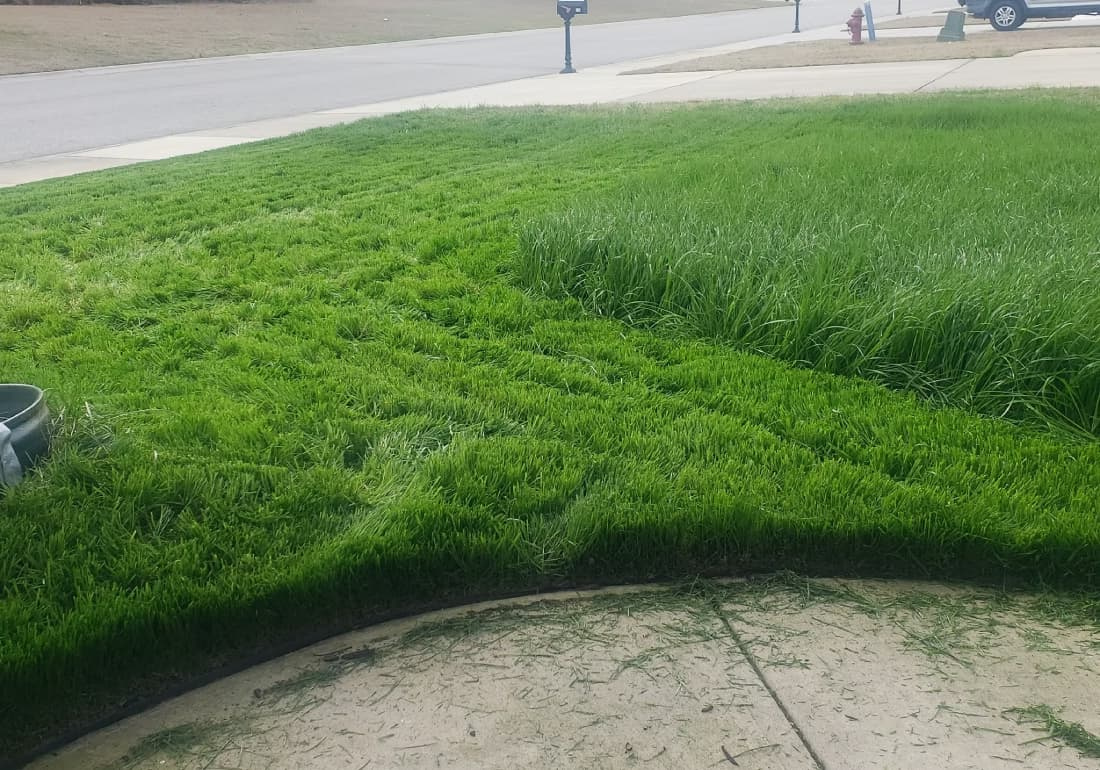
The One-Third Mowing Rule: A Species-Specific Guide to Mowing Heights
Stop guessing your lawn's health. While the one-third rule is the foundation, every grass species has its own threshold for stress. This guide provides exact 'mow-at' heights, seasonal frequency adjustments, and mower setting tips for over 12 grass types to ensure a professional-grade cut every time.
Read Article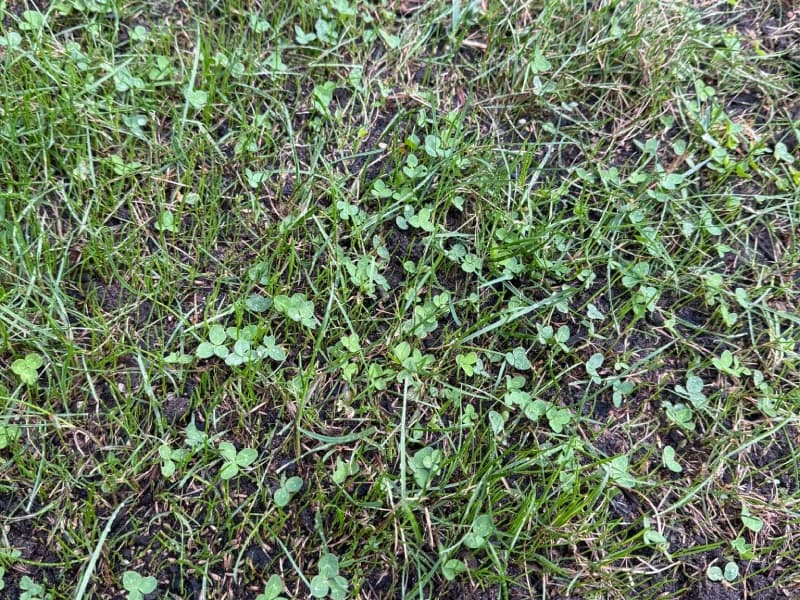
How to Kill Weeds in New Grass Without Killing the Grass
You spent weeks preparing the soil and watering your new seeds, only to see a "carpet of green" that looks more like a weed patch than a lawn. It is frustrating to watch weeds grow twice as fast as your tiny seedlings, leading to a "Panic Phase" where many homeowners make the mistake of spraying too early. Before you reach for the herbicide and risk killing your investment, you need to understand the precise timing required to save your new grass while clearing out the invaders.
Read Article