
Southwestern Clone Buffalograss
The lowest-water lawn grass sold anywhere, with a fine, bermuda-like surface built for desert heat.
Is Southwestern Clone Buffalograss Right For Your Yard?
Best For:
Tradeoff:
What Makes It Different
These are female clones like the northern pair, so the pollen-free, seedhead-free, perfectly uniform part carries over. What changed is the selection pressure: these were bred for heat and water, not winter, and it shows in two places.
The first is water. ‘UC Verde’ holds a lawn together on roughly a quarter inch a week in the low desert, the lowest published figure for any lawn grass. Where there’s a watering ordinance, that number is the whole argument.
The second is the leaf. ‘609’ and ‘Prairie’ are glabrous — smooth-leaved, where most buffalograss is hairy. Glabrous types look finer and more refined, closer to a hybrid bermuda than to a prairie, and Nebraska’s disease work shows they also resist leaf spot, the most damaging foliar disease this grass gets, where hairy types thin into ragged patches. Extension names the same smooth-leaved cultivars among those that hold up to buffalograss mealybug, though there’s no published rating for this group as a whole.
What you give up is winter. This is the warm-adapted end of a cold-hardy species, and the cold limit isn’t a matter of early browning — it’s whether the lawn is alive in April.
Who It’s For
The desert and its edges. A full-sun yard in Phoenix, Tucson, Palm Springs, Albuquerque, Las Cruces or El Paso, where the heat is the design problem and the water bill is the budget problem. It’s also the answer for a Texas or Oklahoma buyer who wants buffalograss as sod rather than plugs, since ‘609’ and ‘Prairie’ are grown on southern sod farms and sold by the pallet at roughly $0.18 a square foot in bulk.
The Cultivars
| Cultivar | How it’s sold | What it’s good at | Notes |
| UC Verde | 128-cell nursery trays, about $102 a tray ($0.80 a plug), from the dedicated consumer portal — which ships only to California, Arizona and Nevada. Also 70-cell trays for about $70 from the Nebraska production fields, shipped nationwide | The low desert. Sterile, plug-only, and the lowest water use on this page at about a quarter inch a week | A University of California, Davis release bred for western microclimates. The “8b–13b” zone chart you’ll see quoted comes from the seller’s own page, not from UC ANR — treat it as a vendor claim. The Nebraska grower’s practical rule is simply that your winter minimum shouldn’t fall below Zone 8 |
| 609 | Wholesale sod pallets through Texas and Oklahoma growers, around $0.18 a square foot in bulk; largely local pickup | Texas, Oklahoma, Missouri and the lower Midwest. Glabrous, dense and disease-resistant | Limited and highly regional. Expect to ring a sod farm rather than order online |
| Prairie | Wholesale sod pallets, through Texas growers only | Texas and the southern Plains. Glabrous, like ‘609’ | The hardest of the three to get hold of — restricted to commercial pallets, sourced direct from the grower |
What Changes In Care
Water is lower and the green season is longer. These clones green up earlier in spring and hold color later into fall than northern buffalograss, which in a mild-winter yard cuts weeks off the tan dormant stretch that is the usual cost of this grass. Treat the quarter-inch-a-week figure as a floor for a desert lawn rather than a schedule to copy elsewhere — the type page’s deep-and-infrequent rule still governs how you apply it.
Mowing matches the other clone page: nothing to cut but height, so once a month or less.
The rule that belongs only here is timing at the cold edge. Don’t plant late, don’t feed after the start of September, and if you’re at the northern limit of where these will grow, understand that a hard winter can take the lawn rather than just brown it.
Before You Buy
- Check your record winter low, not just your zone number. This is the one page on the roster where getting it wrong costs you the whole lawn instead of a season of color. ‘609’ and ‘Prairie’ die outright in Colorado winters. If you’re north of the southern transition zone, the northern clone page is where you belong.
- Shipping is the real constraint on ‘UC Verde’. The consumer portal ships to California, Arizona and Nevada only. Outside those three states the route in is the Nebraska production fields, which send 70-cell trays nationwide — a genuinely useful workaround for a southern transition-zone yard.
- ‘609’ and ‘Prairie’ are grower products. They’re sold as wholesale sod pallets, mostly for local pickup, across a narrow band of states. Budget for a minimum order and a phone call, not a checkout page.
- Sterile means plugs forever. ‘UC Verde’ sets no viable seed at all, so every future repair is a plug. Buy a tray more than you need and heel the spares in somewhere out of the way.
- New sod needs four to six weeks to root before any pre-emergent goes down. On plugs, pendimethalin is safe at planting.
Deep Dives & Practical Guides
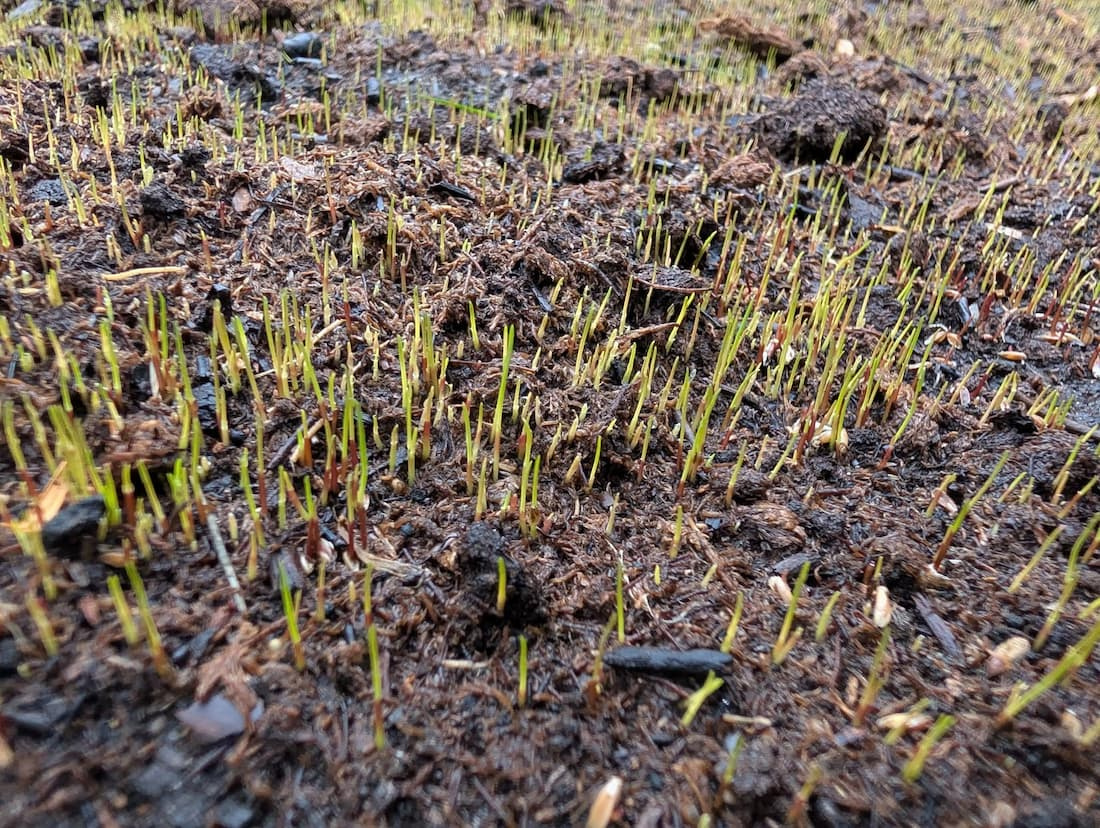
How to Establish a New Lawn From Bare Soil to First Mow
Bare soil doesn't turn into a lawn just because you scattered seed or rolled out sod — it becomes one based on a handful of specific steps done in the right order, matched to your specific grass. This guide walks through soil prep, seeding or planting method, starter fertilizer, watering as the grass grows, and knowing when it's actually safe to mow, for both cool-season and warm-season lawns.
Read Article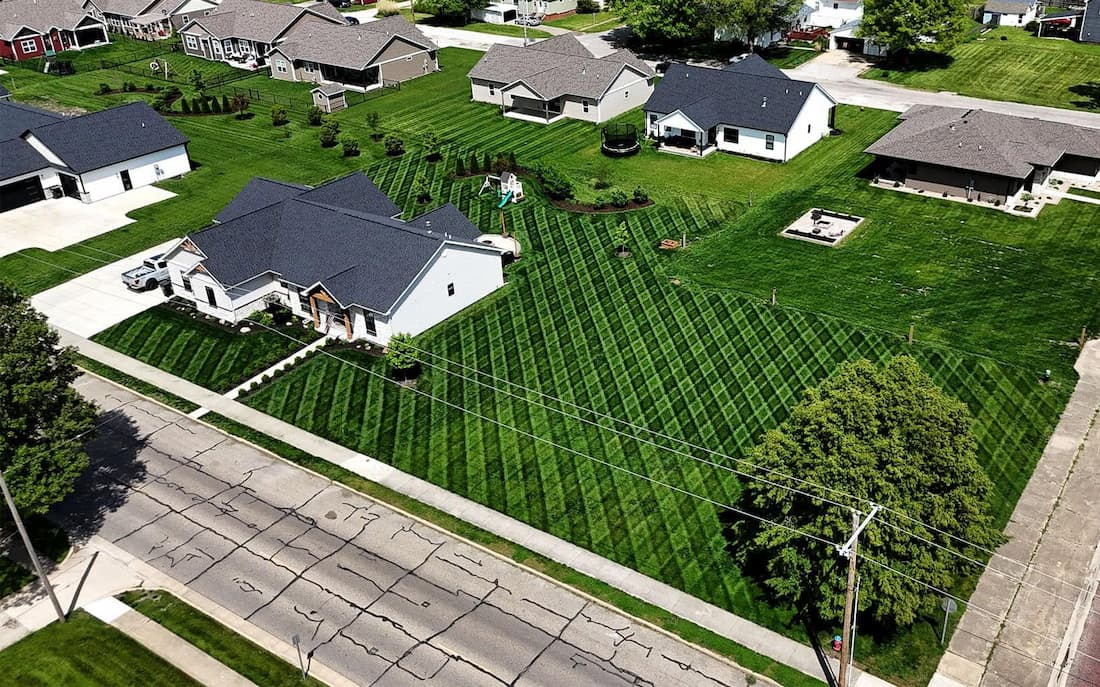
Cool Season vs Warm Season Lawn and Landscape Guide
Your lawn and your flower beds don't follow the same calendar — one runs on a cool-season engine, the other on a warm-season one, and using the wrong playbook on either can do real damage. This guide helps you figure out which system you actually have and how to care for it correctly, plus how the same cool/warm split applies to your ornamental beds.
Read Article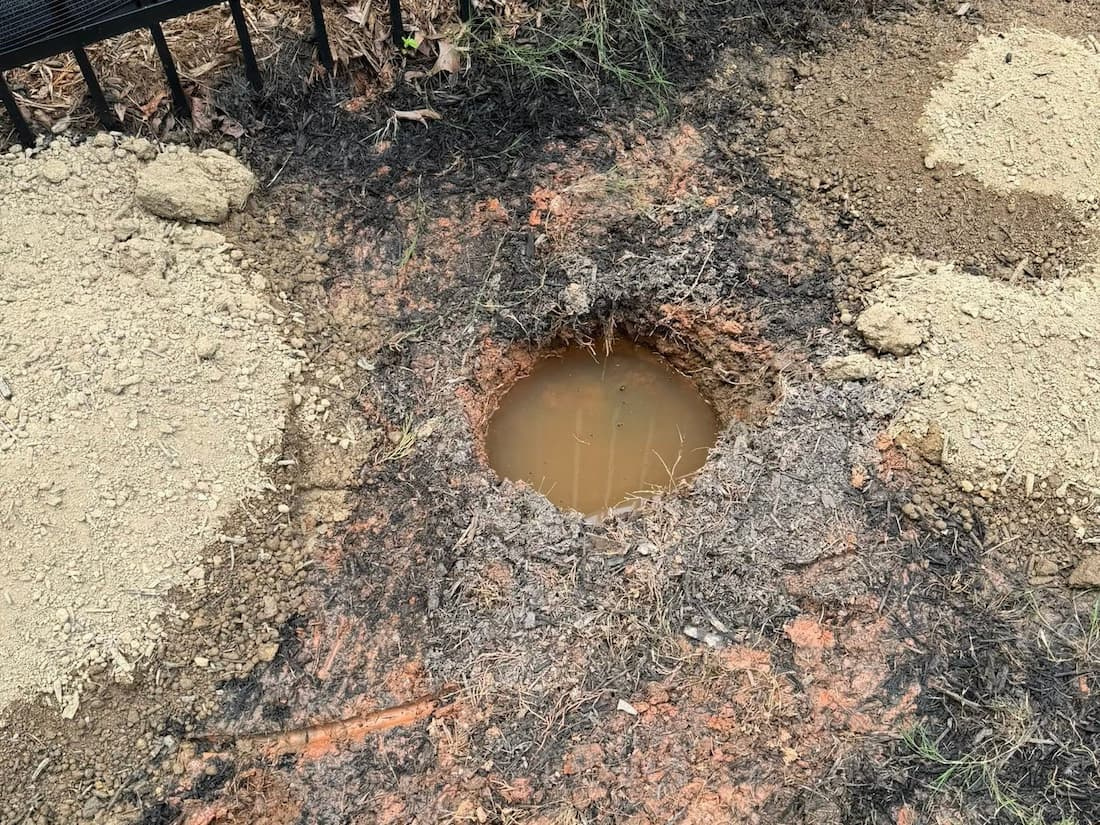
The Hole You Dug Is Killing Your New Plants
A shrub that looked fine all summer and stalled the next year usually didn't fail because of the plant, the weather, or the nursery. It failed because the hole it went into was a container — smooth-walled, water-holding, and impossible to root out of.
Read Article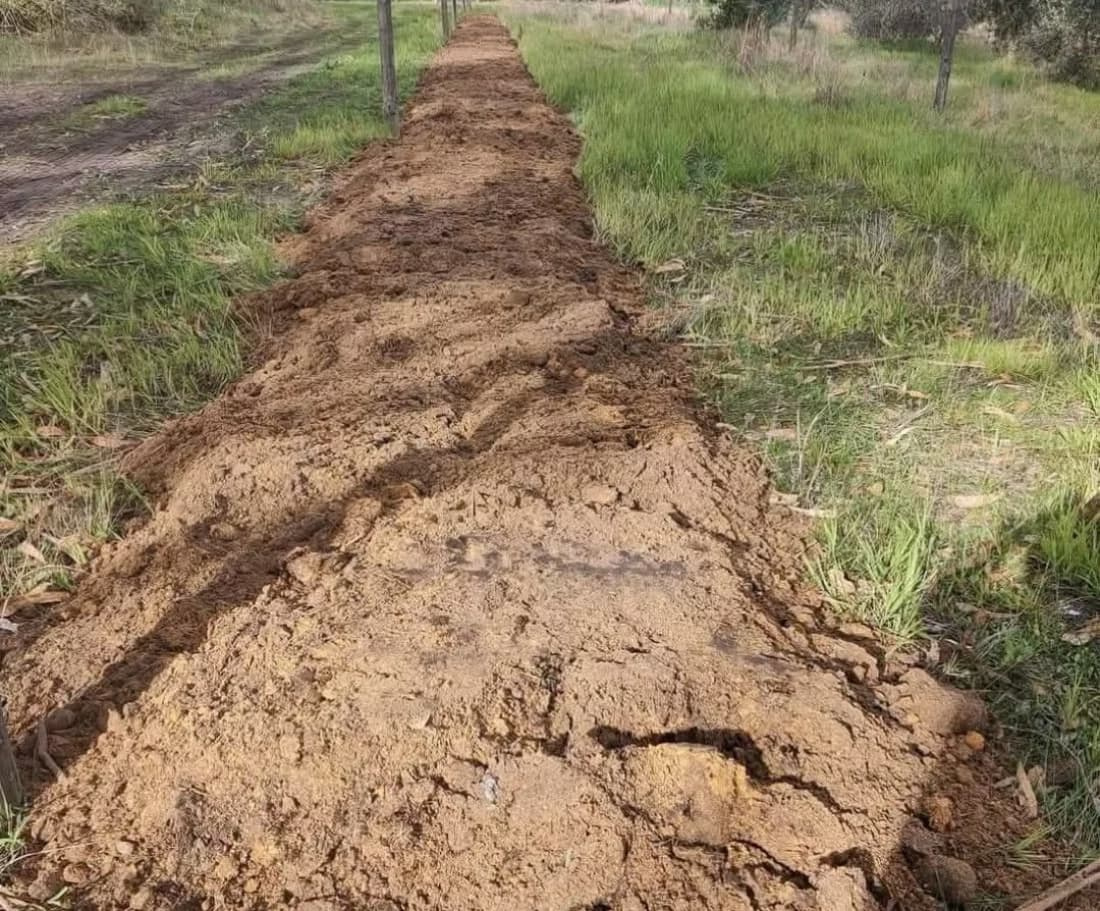
What You Can Actually Change About Bad Soil
Heavy clay and loose sand feel like permanent sentences, and half of that is true. What your soil is made of will not change. How those particles are arranged will — and that is the half that decides whether anything grows.
Read Article
Why Your Plants Survive Winter and Die in July
Your hardiness zone is built from one number — the coldest night of an average year. It says nothing about the hottest afternoon, which is what actually kills most plants people lose. Here's how to read the other half of the map.
Read Article
Why Poa Annua Keeps Coming Back — and the 3-Year Plan That Finally Ends the Cycle
You've pulled it. You've sprayed it. You've watched the little white seedheads mock you every single spring. And every fall, like clockwork, it's back — in the lawn, in the beds, in the cracks you didn't know you had. Here's the hard truth nobody at the big-box store will tell you: you're not losing because you're doing it wrong — you're losing because you're fighting the wrong enemy on the wrong timeline. Poa annua isn't a one-season problem, and once you understand why, the three-year plan below stops feeling like a chore and starts feeling like a countdown.
Read Article
How to Apply Herbicides Correctly in Your Lawn and Garden Beds
Getting real results from a weed product has almost nothing to do with the brand on the bottle and everything to do with matching the method to the moment — the right chemistry, in the right place, at the right time. Learn how to apply herbicides correctly across both your lawn and your garden beds, whether you’re stopping weeds before they sprout or killing the ones already growing, without wasting product or harming the plants you want to keep.
Read Article
How to Kill Weeds Where Two Lawns Meet Without Harming Your Neighbor’s Grass
Controlling weeds along a shared property line is where good intentions quietly backfire—the season that's safe for your own lawn is often the season the lawn next door is most easily harmed. Learn the seasonal timing collision behind most fence-line damage, and the two habits that prevent it—reading what's actually in the bottle and spraying directed instead of broadcast—so you can clear the weeds without hurting your grass, your neighbor's, or the peace between you.
Read Article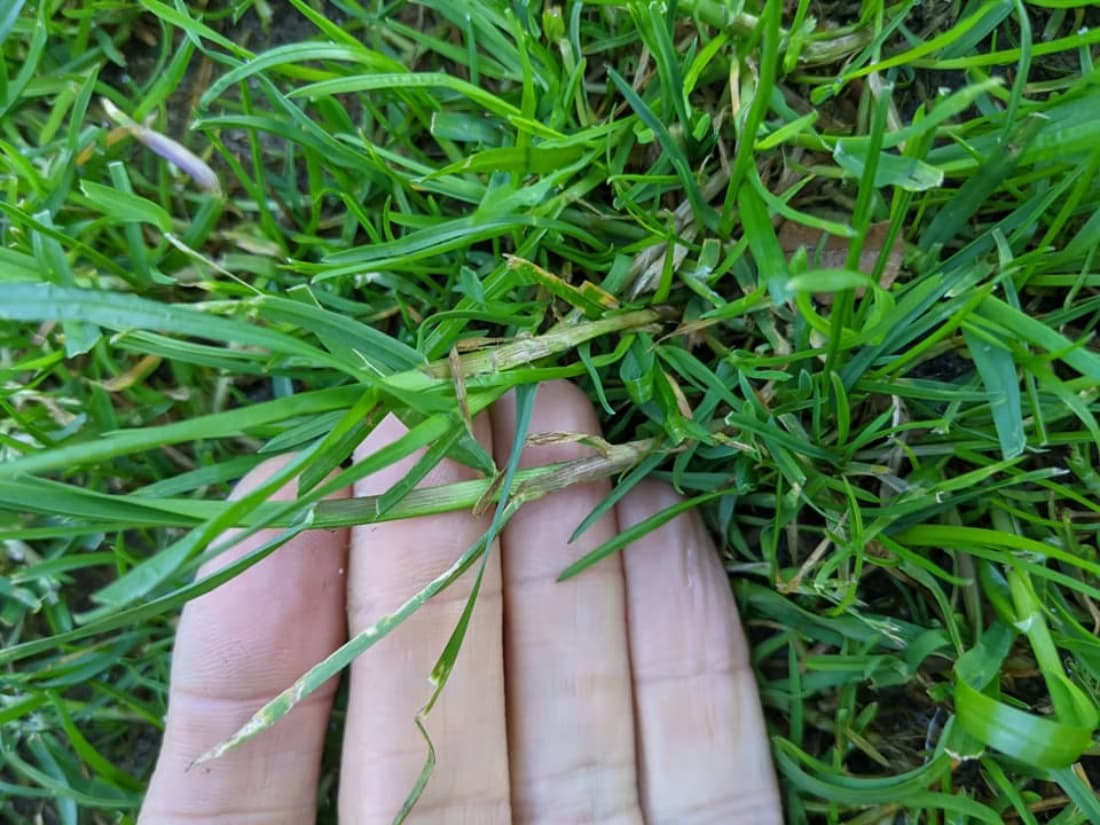
The Truth About One-and-Done Weed Control
Most homeowners lose the fight against weeds not because they work too little, but because they act before they understand. One-and-done weed control is real — but it only works when identification, timing, and the right tool all line up. This guide explains how that sequence works across your lawn and your ornamental beds, and how each weed page in the MFY hub puts it into practice for your specific invader.
Read Article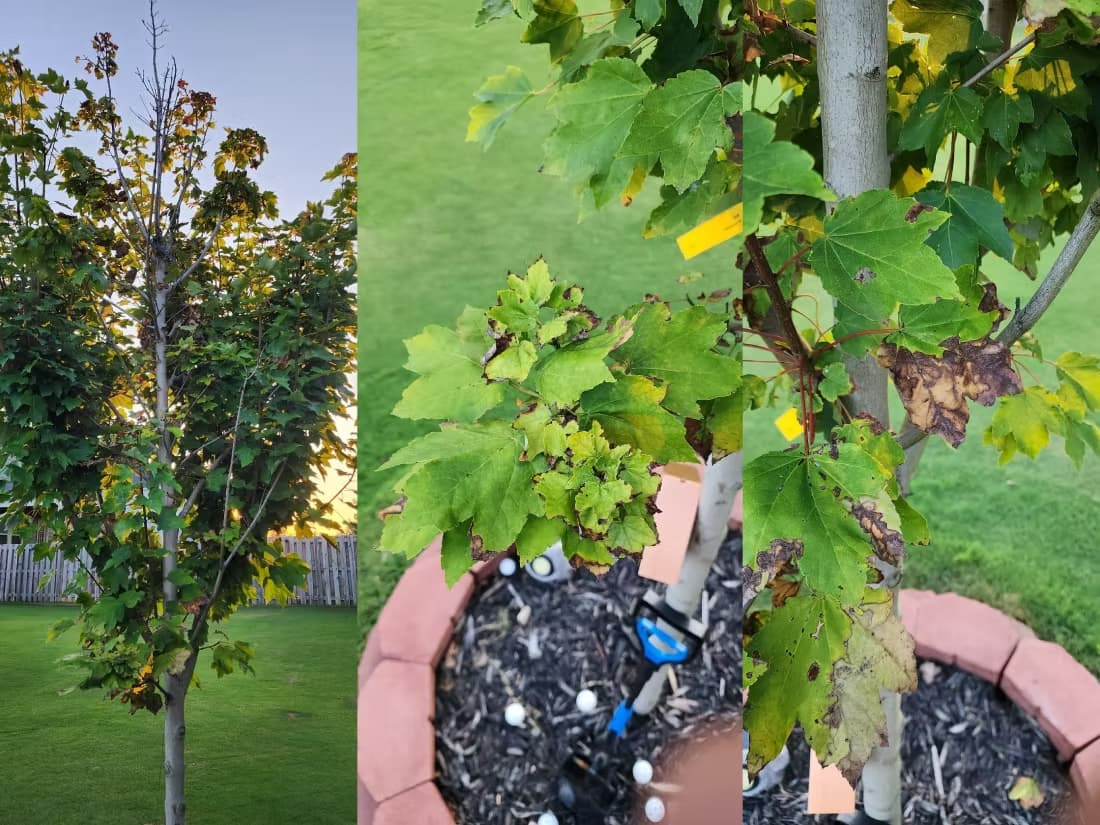
Solving the Mystery of the False Evidence in Your Lawn and Landscape
A brown leaf or a yellowing lawn is rarely what it seems. When symptoms act as decoys, a calm, forensic approach brings clarity to the confusion. Learn how to look past the surface to find the quiet truth of what your plants are truly asking for.
Read Article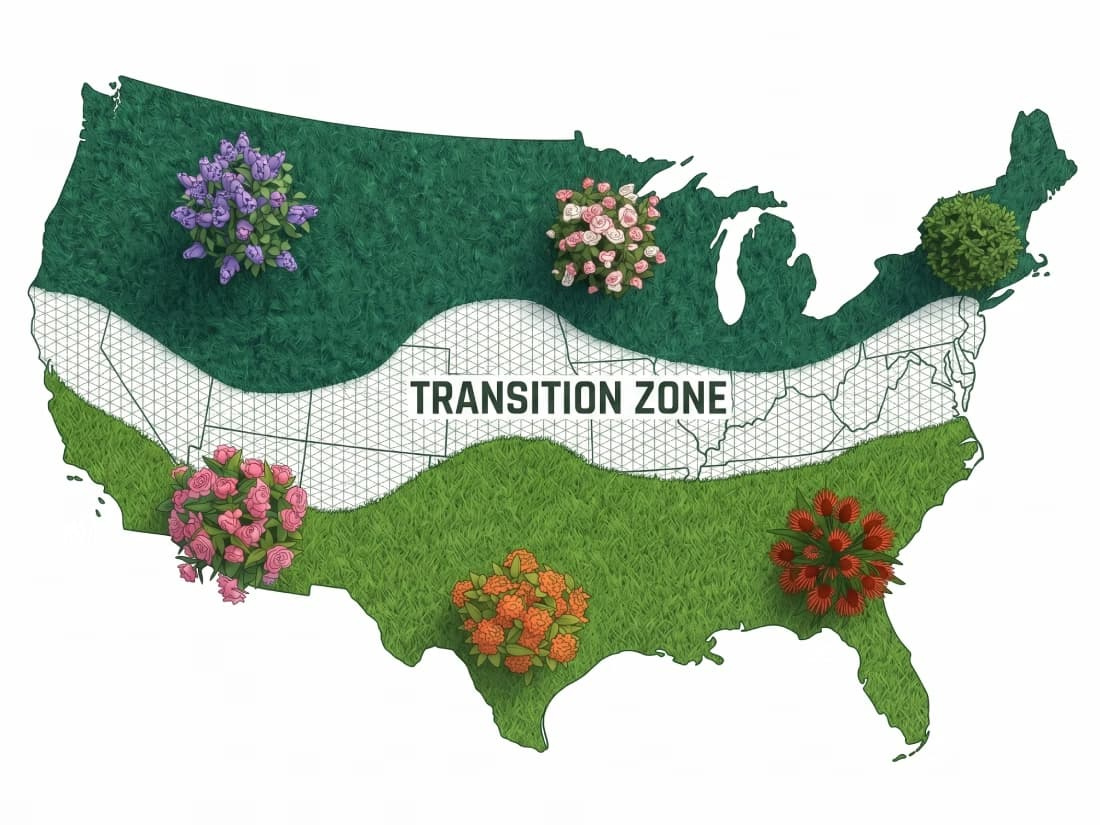
Living in the Middle: The Deep-Dive Guide to Transition Zone Lawns and Landscapes
The Transition Zone is a biological tug-of-war where neither northern nor southern species perfectly adapt. By using resilient "bridge" species and mastering maintenance levers like the Mowing Pivot, you can transform a struggling yard into a healthy landscape.
Read Article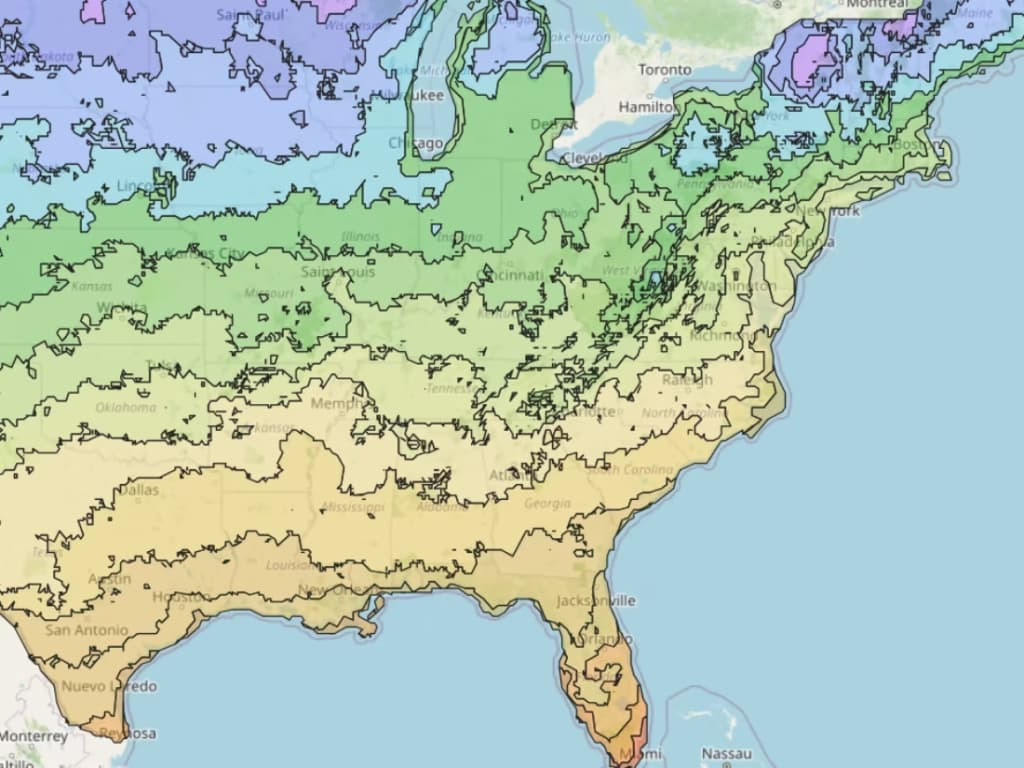
What Your Hardiness Zone Really Means for Your Lawn and Plants
Uncover the foundation of a resilient landscape by mastering the science of hardiness zones. Learn how these climate boundaries are calculated and why understanding your local temperature limits is the first step toward choosing plants that thrive year after year.
Read Article