
Parent Species:
Virus-Resistant St. Augustinegrass
The two replacements Florida extension recommends when lethal viral necrosis has killed a Floratam lawn — they get infected and survive it.
Is Virus-Resistant St. Augustinegrass Right For Your Yard?
Best For:
Tradeoff:
What Makes It Different
These are the two cultivars UF/IFAS Palm Beach County currently recommends for replacing a dead Floratam lawn — not because they shrug the virus off, but because they get infected like everything else and simply do not die of it.
The disease is sugarcane mosaic virus. In most grasses it causes mosaic — yellow streaking and mottling that looks bad and does no lasting harm. In Floratam alone it goes further, into lethal viral necrosis, killing the lawn within three years of infection and often faster; fresh Floratam sod laid into an affected area can be dead within months. Every other tested St. Augustine cultivar carries the virus without being killed by it, as do bermudagrass, bahiagrass and paspalum.
There is a hard irony in that. Floratam was released in the early 1970s partly for its resistance to St. Augustine Decline, the earlier virus that wrecked lawns along the Texas coast. Fifty years on, the cultivar bred to beat the first virus is the only one dying to the second.
Two things drive the spread. There is no cure — no fungicide, pesticide or vaccine touches a plant virus, so the only tools are resistant cultivars and sanitation. And St. Augustinegrass cannot be grown from seed, so a lawn is one cloned plant repeated across the whole yard: identical genome, identical vulnerability, nothing in it resistant. That is why a Floratam lawn goes all at once rather than thinning in patches.
The virus travels in the moist sap of freshly cut grass, carried on mower blades, decks and — the part most advice leaves out — wheels, and possibly line trimmers.
Who It’s For
Southeastern Florida first. Extension describes Palm Beach County as the most severely affected area in the state, in both ground covered and speed of spread, with losses running to many millions of dollars. It is also widespread in Pinellas County, where it appeared around 2011, and confirmed in a scattering of others.
Practically: a Floratam lawn showing yellow streaking or mottling that fertilizer and fungicide never fix, with patches that keep expanding. Symptoms are seasonal — summer heat and growth mask them, and they resurface as temperatures drop through late summer and winter, so a lawn that seemed to recover over summer probably did not. Outside the confirmed range this is not the axis to choose on; pick on cold, shade or drought instead.
The Cultivars
| Cultivar | How it’s sold | What it’s good at | Notes |
| Palmetto | Sod and 72-count plug trays. Off-patent with the trademark held by Sod Solutions, so it is unrestricted and grown across Arkansas, Texas, Florida, Georgia, Alabama and the Carolinas. About $200–255 a pallet. | The longer-standing recommendation, and the one with the most extension history behind it. UF/IFAS recognizes its LVN resistance — it can be infected but does not die. It also rates very good for cold and shade, so it is a genuine all-rounder rather than a single-purpose fix. | Two real costs. It is less resistant than Floratam to large patch and take-all root rot, and extension warns it may need a more intensive and regular fungicide program than the Floratam it replaces. And in full sun it should be mowed at about 2.5 inches, not Floratam’s 3.5 to 4. Ignore the drought marketing: UF/IFAS states that claim is undocumented and that Palmetto has not shown statistically greater drought tolerance than other cultivars. |
| CitraBlue | Sod and 72-count plug trays. Patented, licensed through Sod Solutions and Turfgrass Producers of Florida; grown across Florida, Texas, Alabama and Georgia. About $260–320 a pallet. | A University of Florida release, on the market since 2018 and now recommended alongside Palmetto. It does not carry Palmetto’s fungal penalty — better gray leaf spot resistance than Floratam, and similar large patch and take-all root rot resistance. UF/IFAS also rates it more drought tolerant than Floratam, Palmetto and Raleigh. | It is the only landscape turfgrass in Florida in an accredited certification program, which matters more here than anywhere else: certified stock is how you avoid buying sod that is already infected. Semi-dwarf, mowed 2 to 3 inches, with a dense horizontal habit that crowds weeds well and accumulates thatch. UF/IFAS was still asking for more data on it as an LVN replacement in 2021; the county fact sheet has since put it alongside Palmetto. |
One name has come off the list. Bitterblue was previously counted among the virus-tolerant cultivars, but Palm Beach County extension no longer suggests it, citing uncertainty about how closely its genetic background resembles Floratam’s. If a supplier still offers it as the virus-safe option, that advice is out of date.
And if you are willing to leave St. Augustinegrass altogether, zoysiagrass is not a host at all — the one clean escape. Extension’s caution is that it needs noticeably more maintenance than Floratam in South Florida.
What Changes In Care
- Sanitation becomes a maintenance item. Mow only when the grass is dry, and mow your own lawn before anyone goes near an infected one. If you use a service, ask what they do between properties — the wheels carry sap as readily as the blade, so a wiped-down blade on a contaminated deck proves nothing.
- The mowing height drops if you are coming off Floratam. Palmetto wants about 2.5 inches in full sun and CitraBlue 2 to 3, against Floratam’s 3.5 to 4. Set the deck before the first cut, not after you have scalped it.
- Palmetto needs more fungicide attention than Floratam did. Large patch and take-all root rot are the two to watch, and the cool, wet shoulder seasons are when they show. Budget for a regular program rather than reacting to an outbreak.
- CitraBlue thatches. The dense horizontal growth that crowds out weeds is the same growth that builds thatch, so plan on annual core aeration from year two.
- Removal has to be complete, not spot. Extension notes spot removal may help very early, but a Floratam lawn usually needs replacing entirely, because the virus has almost certainly moved beyond the patches you can see. Half a lawn replaced is half a lawn reinfected.
If you are clearing the old lawn first, a non-selective herbicide with a 10 to 14 day wait before laying sod is the standard route. One label caution: consumer “Roundup” no longer reliably contains glyphosate, so read the active-ingredient panel rather than trusting the brand name.
Before You Buy
- Confirm the diagnosis before you spend a dollar. Yellowing in this grass has a long list of causes — chinch bugs, take-all root rot, large patch, iron chlorosis. Submit a sample for laboratory confirmation rather than replacing a lawn on appearance.
- Never resod an affected site with Floratam. Extension recorded Floratam sod laid to replace lawns lost in 2013 dying again in 2014, and fresh sod in affected areas dying within months. Price is not a reason to try it twice.
- Get the cultivar name in writing. Extension published guidance on visually identifying St. Augustinegrass cultivars because of this epidemic — buyers were being sold “St. Augustine” with no idea which one. Ask, and buy certified sod where you can.
- Do not buy Palmetto for the drought claim. It is widely advertised as drought-resistant; UF/IFAS says that is undocumented. Buy it for the virus resistance, the cold hardiness and the shade tolerance, which are real.
- Budget for the maintenance change, not just the pallet. With Palmetto that is a fungicide program; with CitraBlue the higher price and annual aeration. Uncertified “common” sod is the false economy here — weedy, not uniform, and unusually sensitive to 2,4-D. There is no St. Augustine seed, so anything sold as such is another grass.
Deep Dives & Practical Guides
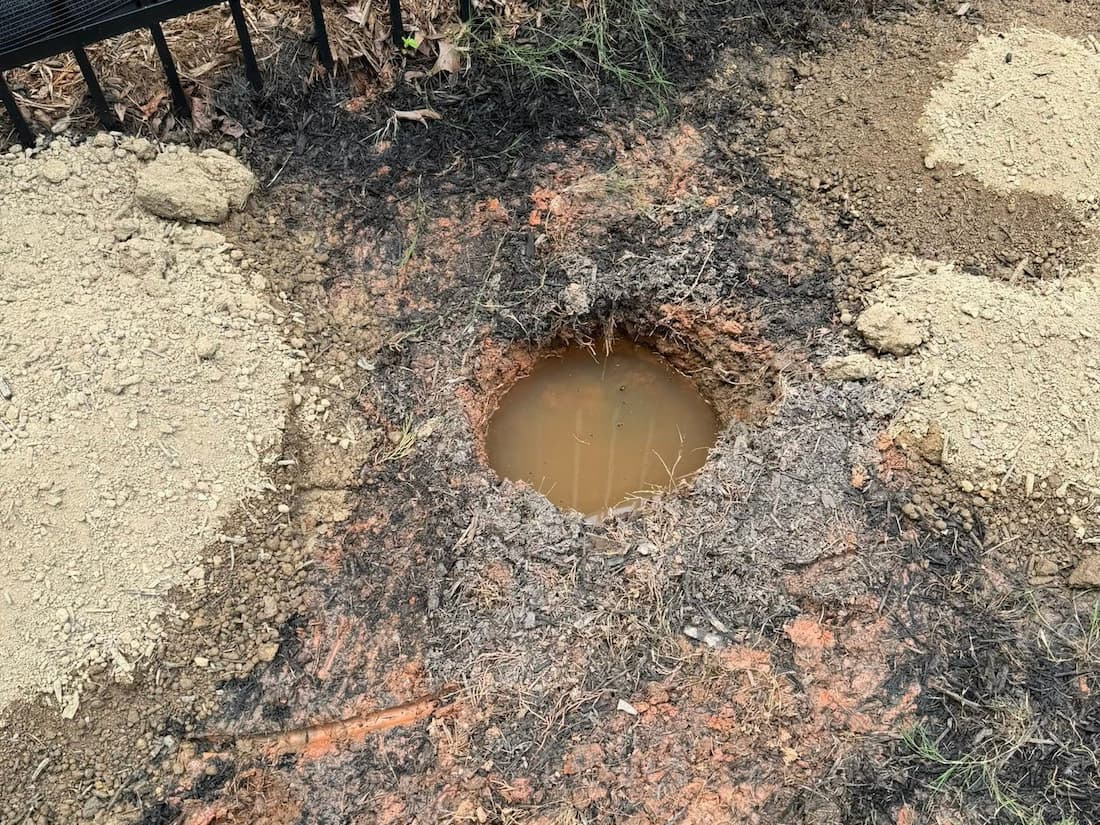
The Hole You Dug Is Killing Your New Plants
A shrub that looked fine all summer and stalled the next year usually didn't fail because of the plant, the weather, or the nursery. It failed because the hole it went into was a container — smooth-walled, water-holding, and impossible to root out of.
Read Article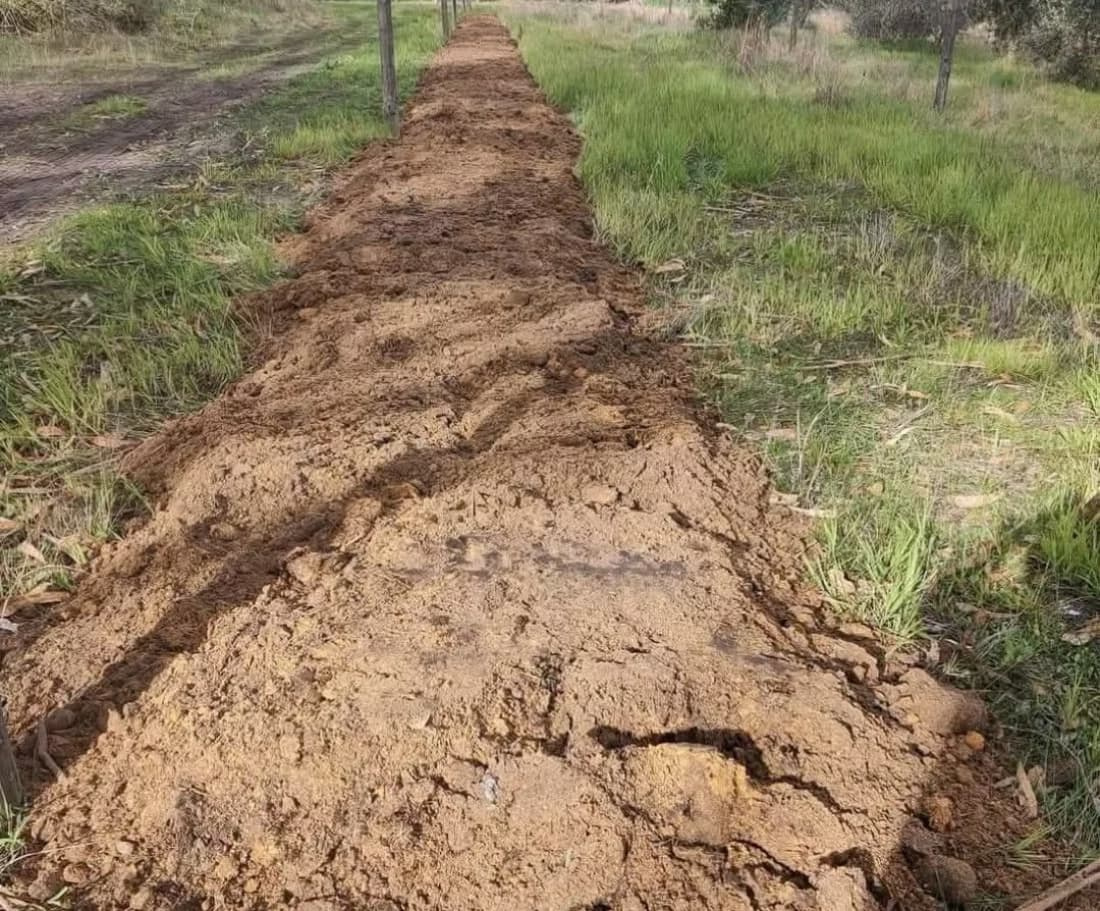
What You Can Actually Change About Bad Soil
Heavy clay and loose sand feel like permanent sentences, and half of that is true. What your soil is made of will not change. How those particles are arranged will — and that is the half that decides whether anything grows.
Read Article
Why Your Plants Survive Winter and Die in July
Your hardiness zone is built from one number — the coldest night of an average year. It says nothing about the hottest afternoon, which is what actually kills most plants people lose. Here's how to read the other half of the map.
Read Article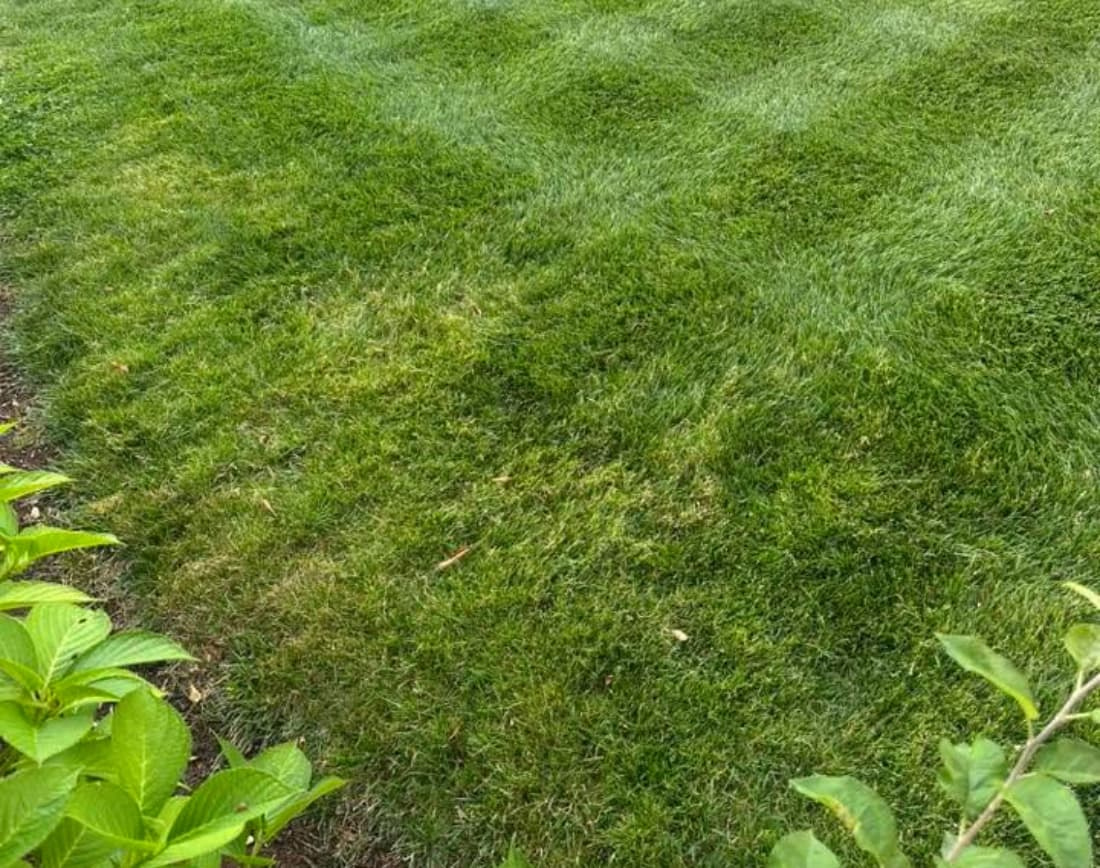
Why Poa Annua Keeps Coming Back — and the 3-Year Plan That Finally Ends the Cycle
You've pulled it. You've sprayed it. You've watched the little white seedheads mock you every single spring. And every fall, like clockwork, it's back — in the lawn, in the beds, in the cracks you didn't know you had. Here's the hard truth nobody at the big-box store will tell you: you're not losing because you're doing it wrong — you're losing because you're fighting the wrong enemy on the wrong timeline. Poa annua isn't a one-season problem, and once you understand why, the three-year plan below stops feeling like a chore and starts feeling like a countdown.
Read Article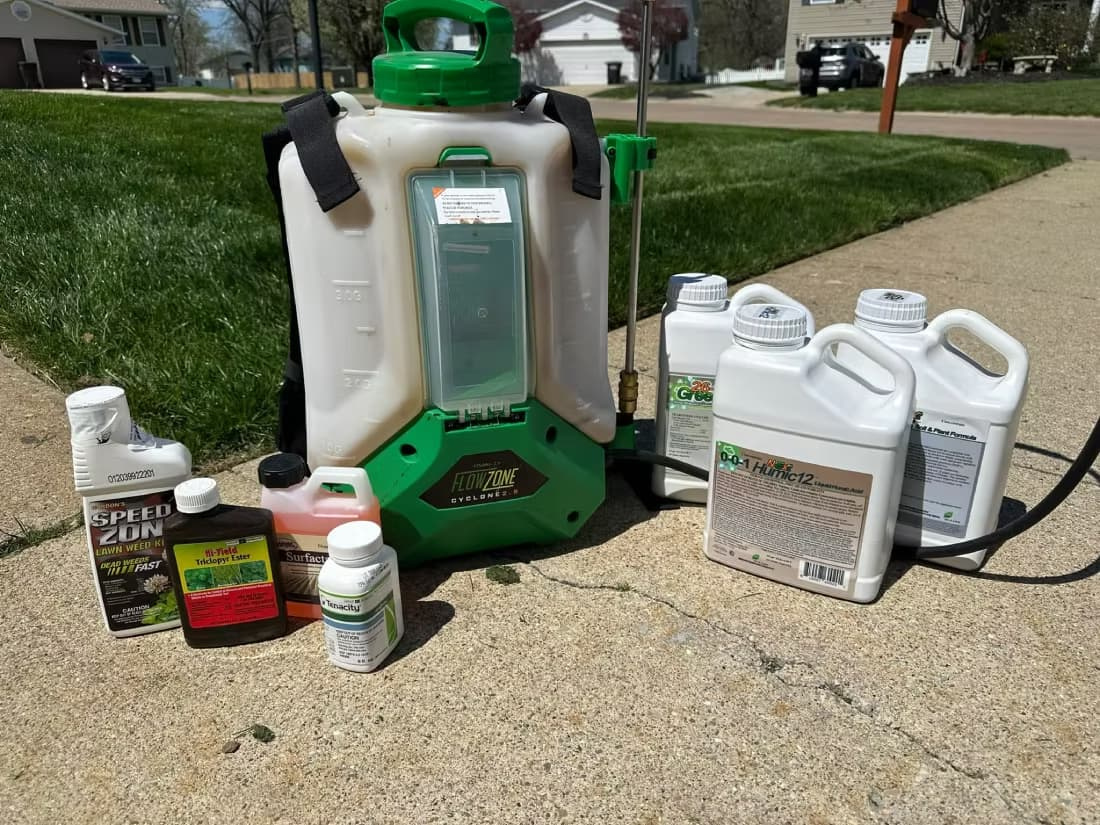
How to Apply Herbicides Correctly in Your Lawn and Garden Beds
Getting real results from a weed product has almost nothing to do with the brand on the bottle and everything to do with matching the method to the moment — the right chemistry, in the right place, at the right time. Learn how to apply herbicides correctly across both your lawn and your garden beds, whether you’re stopping weeds before they sprout or killing the ones already growing, without wasting product or harming the plants you want to keep.
Read Article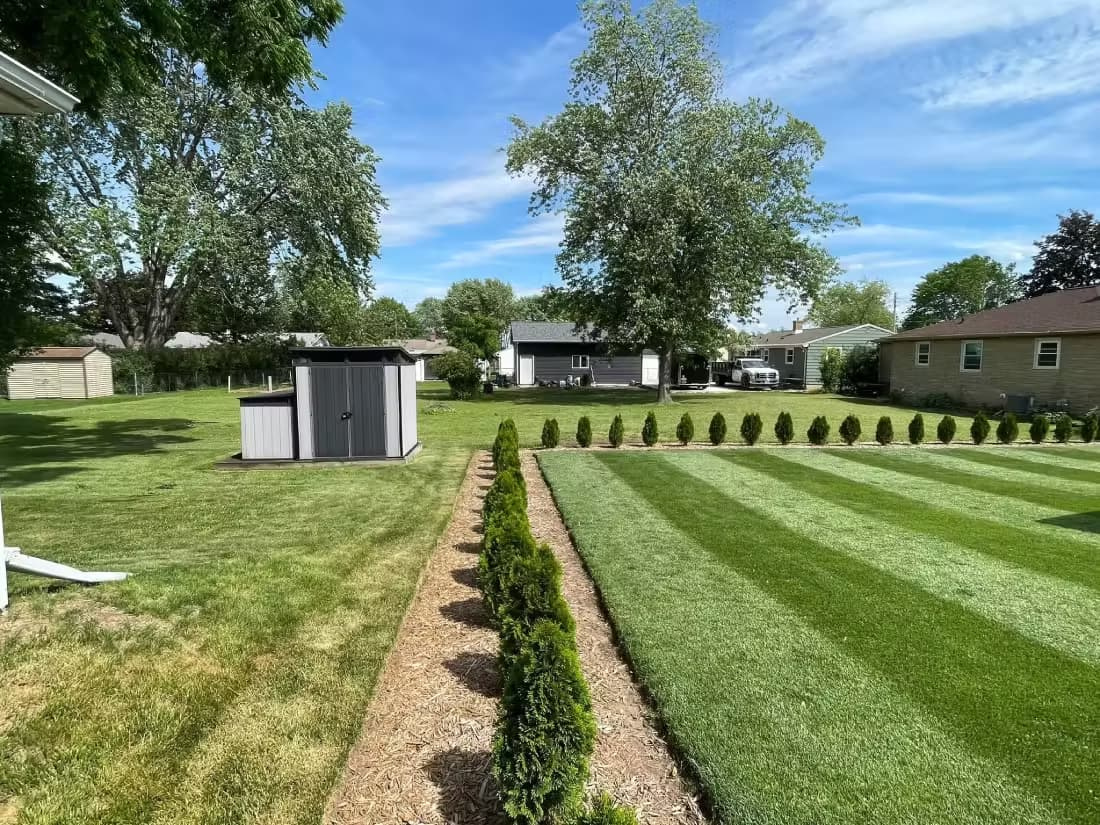
How to Kill Weeds Where Two Lawns Meet Without Harming Your Neighbor’s Grass
Controlling weeds along a shared property line is where good intentions quietly backfire—the season that's safe for your own lawn is often the season the lawn next door is most easily harmed. Learn the seasonal timing collision behind most fence-line damage, and the two habits that prevent it—reading what's actually in the bottle and spraying directed instead of broadcast—so you can clear the weeds without hurting your grass, your neighbor's, or the peace between you.
Read Article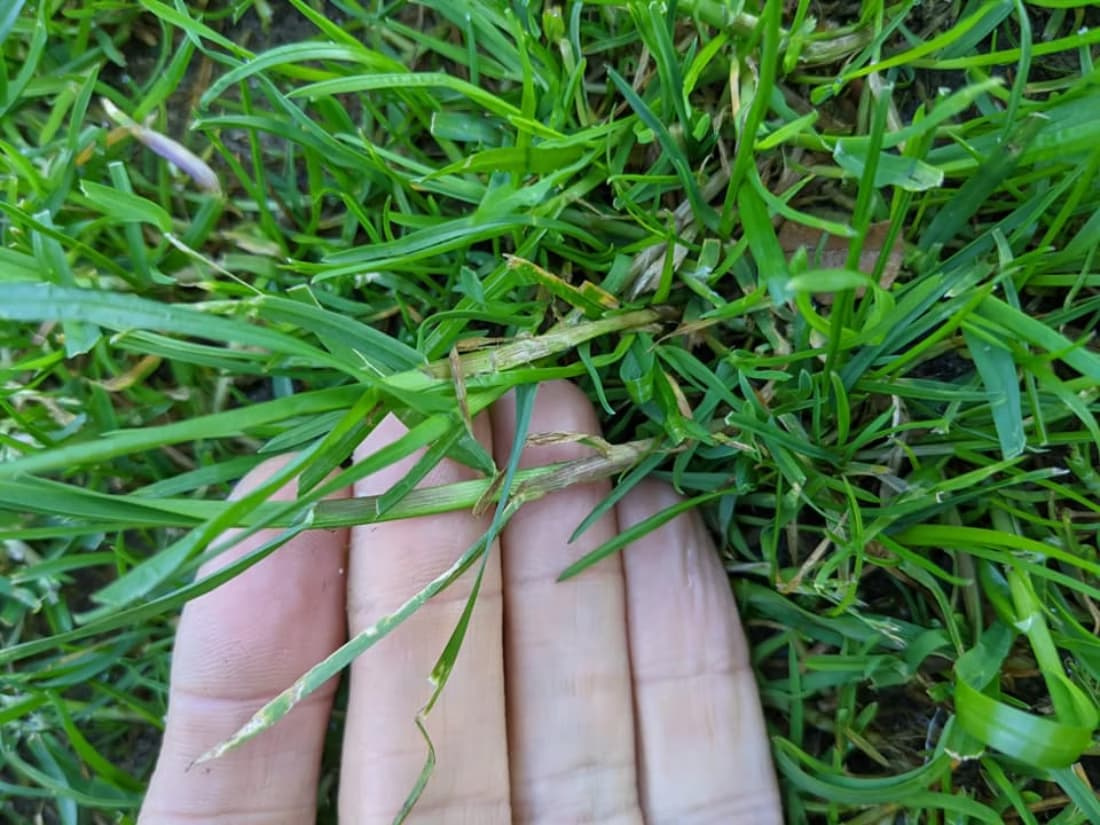
The Truth About One-and-Done Weed Control
Most homeowners lose the fight against weeds not because they work too little, but because they act before they understand. One-and-done weed control is real — but it only works when identification, timing, and the right tool all line up. This guide explains how that sequence works across your lawn and your ornamental beds, and how each weed page in the MFY hub puts it into practice for your specific invader.
Read Article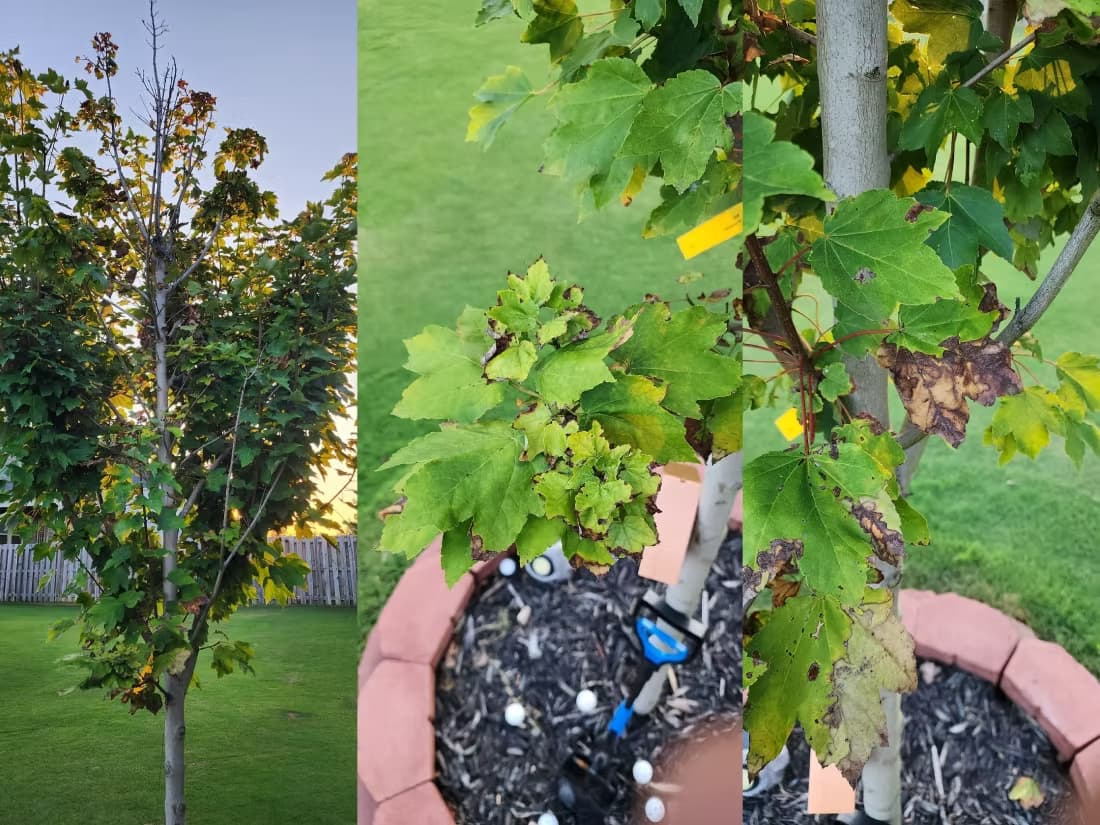
Solving the Mystery of the False Evidence in Your Lawn and Landscape
A brown leaf or a yellowing lawn is rarely what it seems. When symptoms act as decoys, a calm, forensic approach brings clarity to the confusion. Learn how to look past the surface to find the quiet truth of what your plants are truly asking for.
Read Article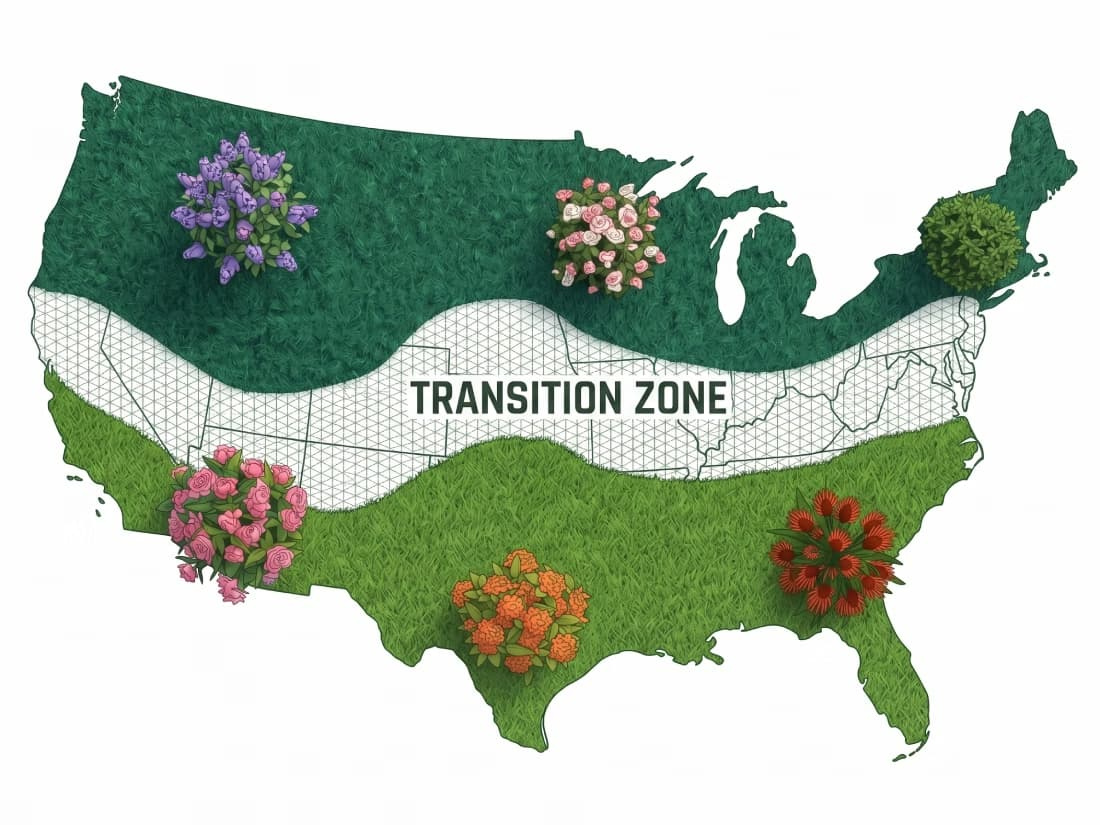
Living in the Middle: The Deep-Dive Guide to Transition Zone Lawns and Landscapes
The Transition Zone is a biological tug-of-war where neither northern nor southern species perfectly adapt. By using resilient "bridge" species and mastering maintenance levers like the Mowing Pivot, you can transform a struggling yard into a healthy landscape.
Read Article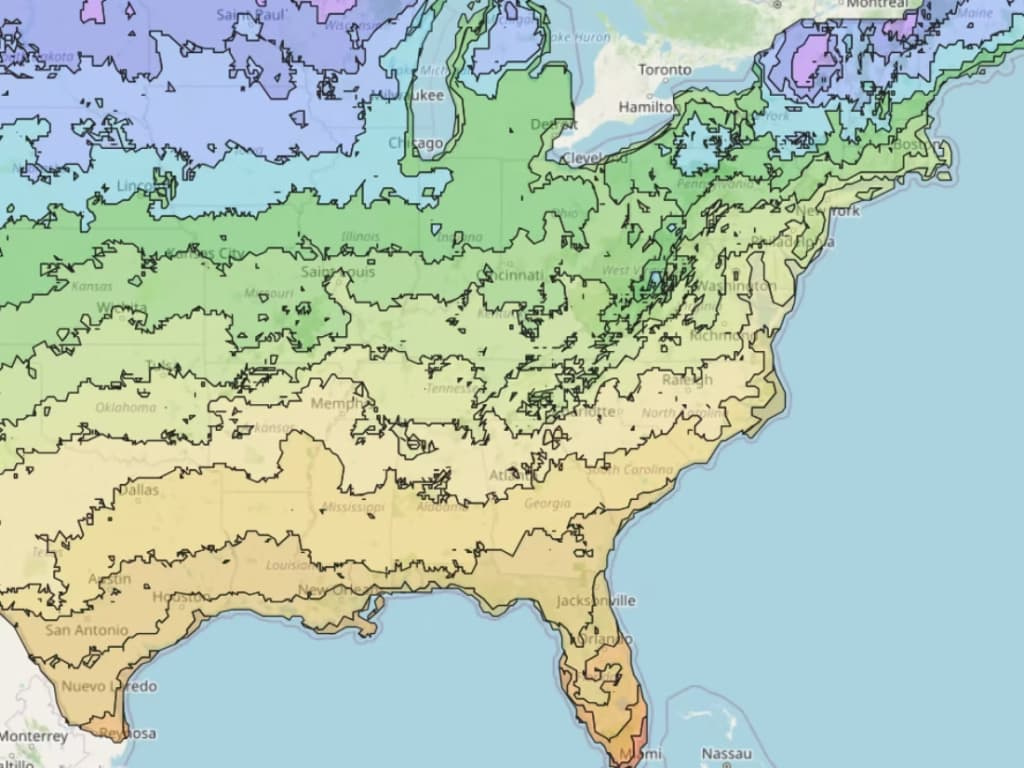
What Your Hardiness Zone Really Means for Your Lawn and Plants
Uncover the foundation of a resilient landscape by mastering the science of hardiness zones. Learn how these climate boundaries are calculated and why understanding your local temperature limits is the first step toward choosing plants that thrive year after year.
Read Article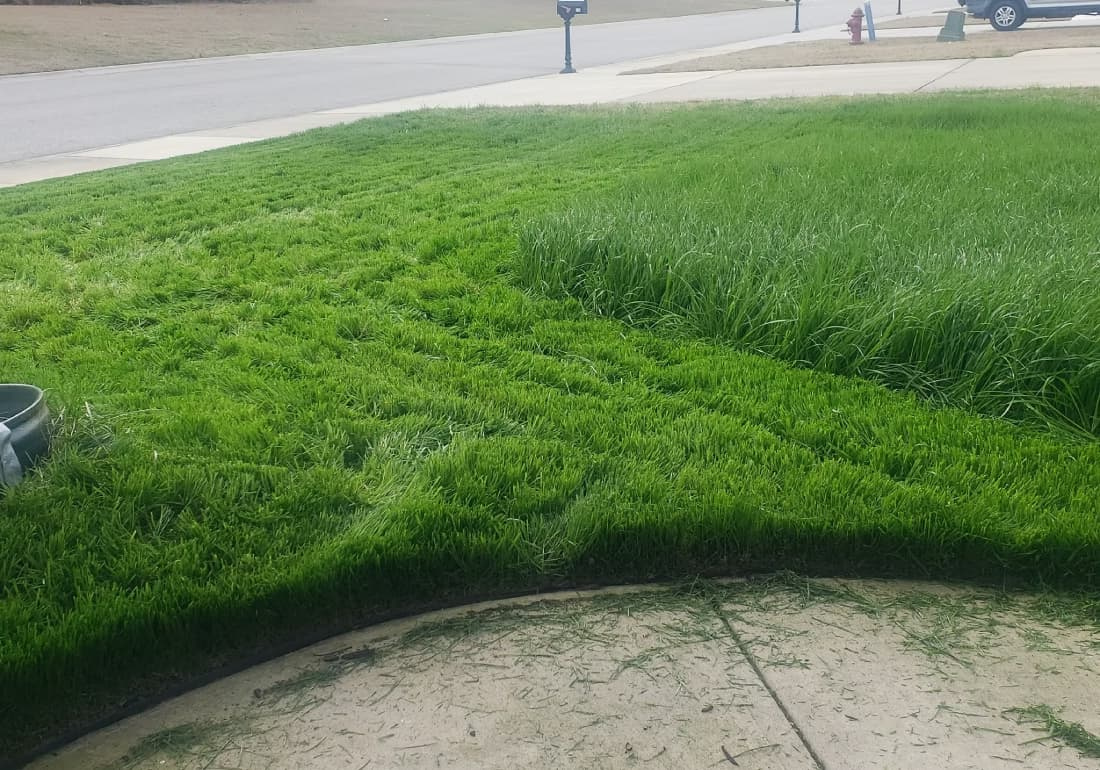
The One-Third Mowing Rule: A Species-Specific Guide to Mowing Heights
Stop guessing your lawn's health. While the one-third rule is the foundation, every grass species has its own threshold for stress. This guide provides exact 'mow-at' heights, seasonal frequency adjustments, and mower setting tips for over 12 grass types to ensure a professional-grade cut every time.
Read Article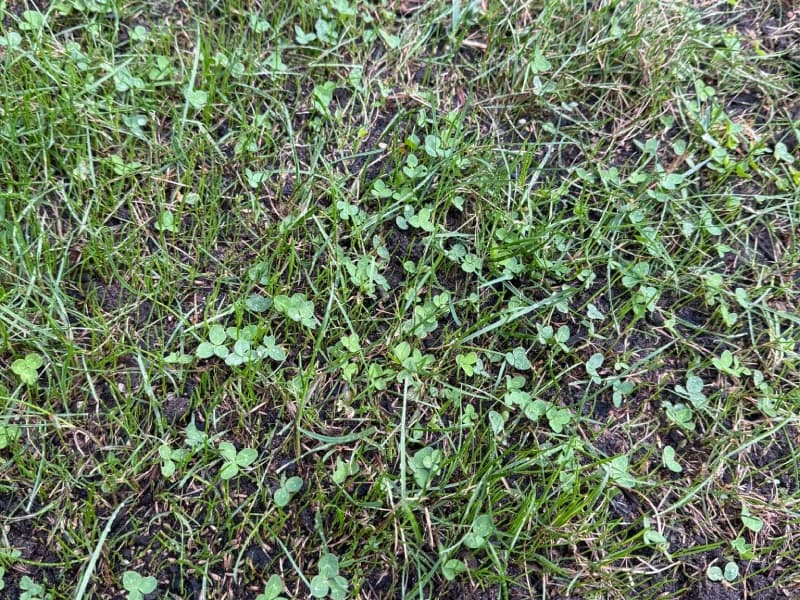
How to Kill Weeds in New Grass Without Killing the Grass
You spent weeks preparing the soil and watering your new seeds, only to see a "carpet of green" that looks more like a weed patch than a lawn. It is frustrating to watch weeds grow twice as fast as your tiny seedlings, leading to a "Panic Phase" where many homeowners make the mistake of spraying too early. Before you reach for the herbicide and risk killing your investment, you need to understand the precise timing required to save your new grass while clearing out the invaders.
Read Article