
Continuous pest pressure and no chilling to trigger dormancy
USDA Hardiness Zone 11: The True Tropics
Key Regions: South Florida coast, the Florida Keys, Hawaiian slopes, Puerto Rico coastal lowlands
Zone Summary At-a-Glance
Heat Days
150–200 days
First Frost
None recorded
Last Frost
None recorded
Temperature Range
40°F to 50°F
Subzone A Temp
40°F to 45°F
Subzone B Temp
45°F to 50°F
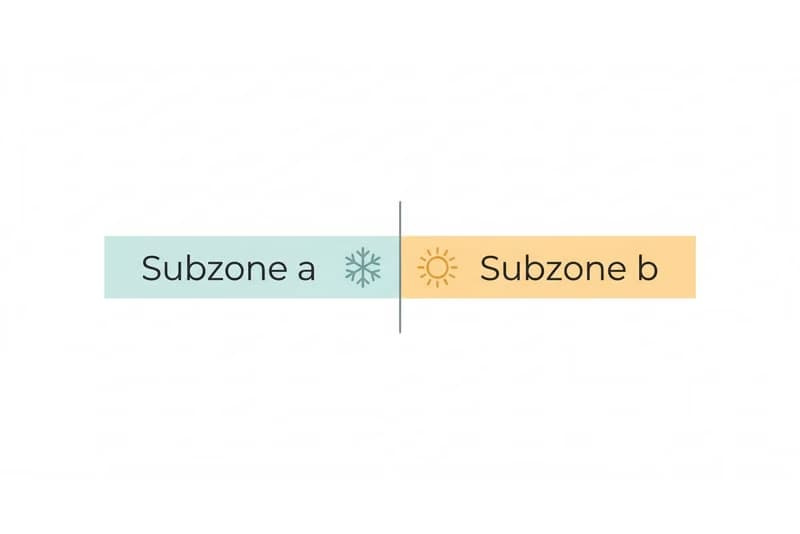
Understanding the Subzone Division
- Zone 11a (40°F to 45°F) — Neither subzone freezes, so cold survival is not the dividing line. What separates them is brief chilling injury: ultra-tropical species drop leaves or suffer vascular damage when temperatures dip below 45°F, which 11a occasionally does.
- Zone 11b (45°F to 50°F) — Stays above that threshold, which opens up true equatorial ornamentals like lipstick palm for year-round outdoor growing. Key West and the lower Keys sit here.
Where frost never comes and nothing ever rests
Zone 11 covers ground where the average annual low runs between 40°F and 50°F. In the United States that means the southern tip of mainland Florida across coastal Miami-Dade, Broward, and Palm Beach counties, the entire Florida Keys chain, low and mid-elevation slopes in Hawaii, and coastal lowlands in Puerto Rico. The 2023 map moved a lot of coastal South Florida up from 10b into 11a — Miami among it. Key West sits at 11b. Altogether the zone covers roughly 2,500 square miles and holds around 3 million people, nearly all of them in the South Florida urban corridor.
Frost is not a factor here in any practical sense — no freezing temperature has ever been recorded in Key West since record-keeping began. What replaces it as the organizing problem is the absence of winter. Without a cold season, insects, nematodes, and fungal pathogens reproduce continuously, and temperate plants that need winter chilling never receive the signal to break dormancy. The four seasons below still apply, but here they track the wet and dry cycle rather than temperature: dry from November through April, wet from May through October, with hurricane season overlapping the wet months.
The Lawn & Turf Management Calendar
Spring (Mar-May)
- Mow every 7 to 10 days at 1.5 to 3 inches depending on species as growth accelerates with lengthening days.
- Apply slow-release nitrogen at 0.5 to 1 lb per 1,000 square feet once soil passes 75°F.
- Irrigate 0.5 to 0.75 inches per application through the last of the dry season.
Summer (Jun-Aug)
- Mow every 4 to 7 days through peak wet-season growth, never removing more than a third of the blade.
- Shut off routine irrigation — wet-season rain supplies more than enough.
- Apply iron and manganese rather than heavy nitrogen, which forces surge growth the plant cannot support.
Fall (Sep-Nov)
- Mow every 7 to 10 days as rainfall tapers off.
- Apply a high-potassium fertilizer in October to toughen root tissue ahead of the dry season.
- Inspect dry, stressed patches for chinch bug damage, which concentrates in hot exposed areas.
Winter (Dec-Feb)
- Mow every 14 to 21 days — growth slows with shorter days but the turf stays green and never goes dormant.
- Irrigate 0.5 to 0.75 inches once or twice weekly to prevent drought-induced dormancy.
- Spot-treat broadleaf weeds and skip high-nitrogen fertilizer entirely.
The Lawn Care Strategy
Every lawn in Zone 11 is a warm-season lawn that never goes dormant, and that single fact reorganizes the whole calendar. There is no winter shutdown to reset anything, so mowing continues year-round and pest pressure is continuous — root-knot and sting nematodes feed through every month, and southern chinch bugs stay active in hot dry microclimates. The seasons that matter are wet and dry rather than warm and cold. Your feeding peaks in spring as growth accelerates, drops to micronutrients through the wet season to avoid forcing weak surge growth, and shifts to potassium in October to build tissue strength before the dry months. The one soil problem that defines South Florida is Miami oolite limestone, which produces shallow calcareous soils at pH 7.8 to 8.5 and locks up iron and manganese.
Lawn-Specific Tips & Local Risks
- Yellowing on limestone soil is a micronutrient problem, not a nitrogen one. Shallow soils over Miami oolite run pH 7.8 to 8.5, which converts iron and manganese into forms roots cannot absorb. Adding nitrogen produces weak growth on a still-starved plant. Foliar chelates correct it.
- Nematodes work year-round in sandy soil. With no cold season to interrupt them, root-knot and sting nematodes feed continuously, producing stunted chlorotic patches that look like drought or nutrient deficiency and do not respond to either treatment.
- Hilo grass invades managed turf under high rainfall. In windward Hawaii, Paspalum conjugatum moves aggressively into maintained lawns. Dense healthy turf is the practical defense, since chemical options in mixed stands are limited.
The Plant & Ornamental Management Calendar
Spring (Mar-May)
- Plant native trees, shrubs, and woody ornamentals now — warm soil drives fast root establishment before the rains arrive.
- Structurally thin large tree canopies to cut wind resistance ahead of hurricane season.
- Remove deadwood and establish a single central leader on major shade trees.
Summer (Jun-Aug)
- Avoid heavy structural pruning through August and September, when cuts become decay entry points during peak storm months.
- Scout for chewing insects and leaf-spot fungi driven by wet-season humidity.
- Let rainfall do the watering — supplemental irrigation risks saturating already wet soil.
Fall (Sep-Nov)
- Plant containerized material early in the season while rains persist.
- Transition young plantings onto drip irrigation as rainfall drops off in late fall.
- Prune storm-damaged limbs once the season closes at the end of November.
Winter (Dec-Feb)
- Do major crown thinning, deadwood removal, and rejuvenation pruning now, while growth is at its slowest.
- Water established drought-tolerant natives sparingly through the dry season.
- Mulch to hold soil moisture through the driest months.
The Plant Care Strategy
Zone 11 rules out an entire category of plants permanently, and it helps to understand why rather than learning it one dead shrub at a time. Temperate species need a set number of hours between 32°F and 45°F to break endo-dormancy — the internal rest state that holds their buds shut. Zone 11 supplies none. The buds stay locked, the plant flushes erratically or not at all, flower buds abort, and it eventually dies of metabolic exhaustion while looking superficially alive. Lilac, saucer magnolia, and bigleaf hydrangea all fail this way. What you get instead is a palette almost no other part of the country can grow. The constraints that remain are salt spray within about 1,000 feet of the coast, cyclone wind loading that destroys weak-wooded species, and calcareous soil that starves anything needing acidity.
Plant-Specific Tips & Local Risks
- Prune for wind in spring, not late summer. Thinning a canopy lets storm wind pass through instead of pushing against it. Doing that work in August or September opens wounds that become decay sites right when the storm risk peaks.
- Salt tolerance is a hard requirement within 1,000 feet of the water. Airborne salt burns leaf margins and defoliates species that lack it. Sea grape, gumbo limbo, and buccaneer palm handle it; most ornamental shrubs simply will not.
- In Hawaii, source ‘ōhi’a locally and check current guidance. Rapid ʻŌhiʻa Death has killed large areas of native forest, and movement of plant material is restricted in places. Local nursery stock and up-to-date state advice matter more than usual for this species.
Curated Species & Botanical Compatibility
Featured Grasses for This Zone
Every lawn here is warm-season and none go dormant — expect to mow year-round. Bahiagrass is a Florida choice specifically, and seashore paspalum the option for coastal and saline sites where salt spray would thin the others. St. Augustinegrass, bermudagrass, and zoysiagrass work across the zone’s Florida, Hawaiian, and Puerto Rican range.
Top Trees & Shrubs
Marginal & At-Risk Species
Temperate plants hold their buds in endo-dormancy, an internal rest state that only breaks after a set accumulation of hours between 32°F and 45°F. Zone 11 supplies none. The buds stay locked, the plant flushes erratically or not at all, and it dies of metabolic exhaustion while still looking superficially alive — which is what makes these failures so slow to diagnose.
Deep Dives & Practical Guides
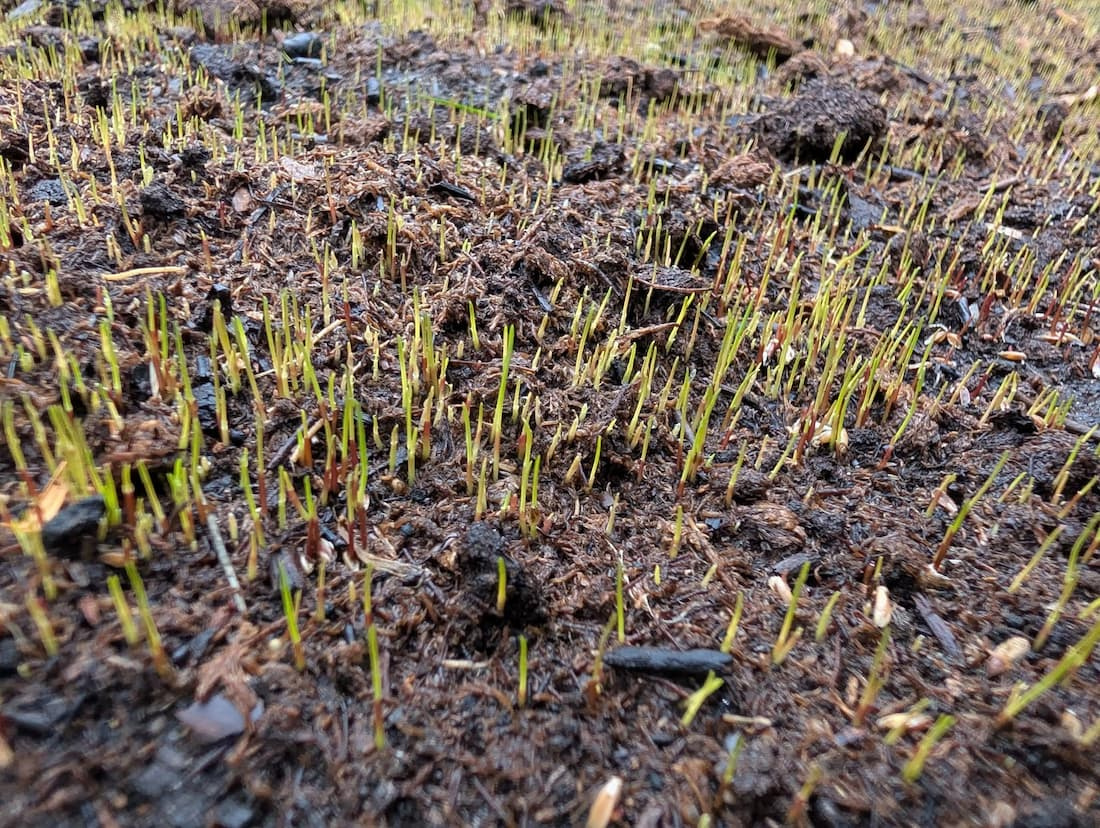
How to Establish a New Lawn From Bare Soil to First Mow
Bare soil doesn't turn into a lawn just because you scattered seed or rolled out sod — it becomes one based on a handful of specific steps done in the right order, matched to your specific grass. This guide walks through soil prep, seeding or planting method, starter fertilizer, watering as the grass grows, and knowing when it's actually safe to mow, for both cool-season and warm-season lawns.
Read Article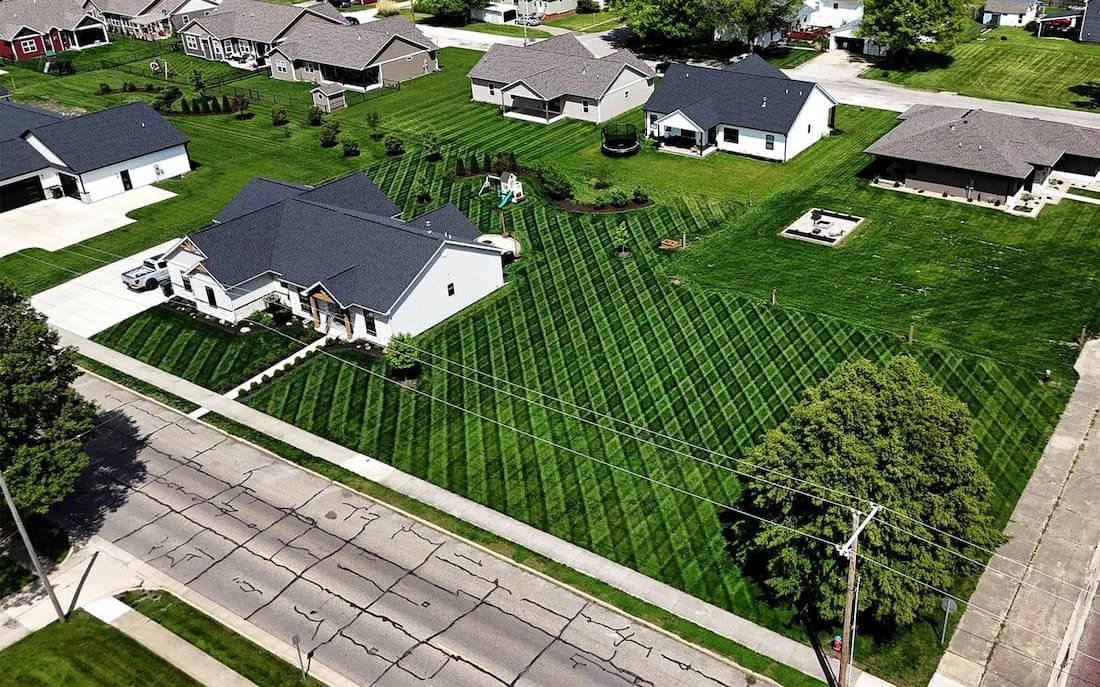
Cool Season vs Warm Season Lawn and Landscape Guide
Your lawn and your flower beds don't follow the same calendar — one runs on a cool-season engine, the other on a warm-season one, and using the wrong playbook on either can do real damage. This guide helps you figure out which system you actually have and how to care for it correctly, plus how the same cool/warm split applies to your ornamental beds.
Read Article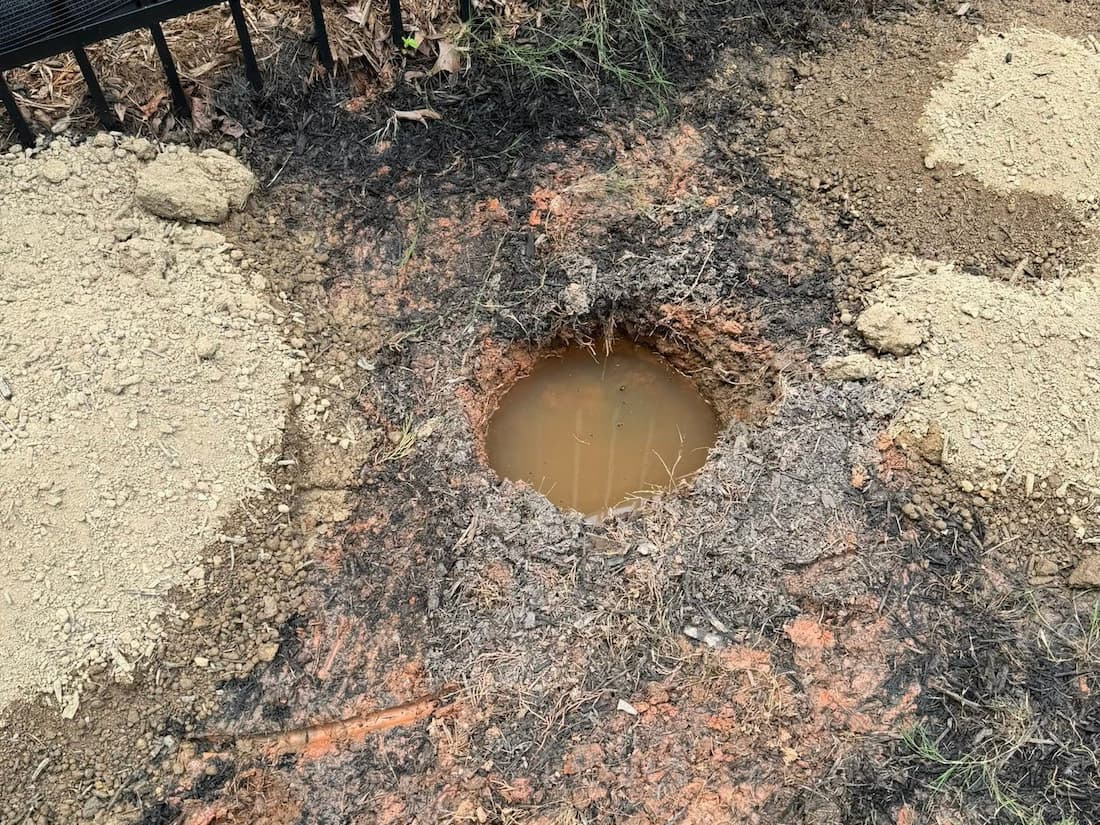
The Hole You Dug Is Killing Your New Plants
A shrub that looked fine all summer and stalled the next year usually didn't fail because of the plant, the weather, or the nursery. It failed because the hole it went into was a container — smooth-walled, water-holding, and impossible to root out of.
Read Article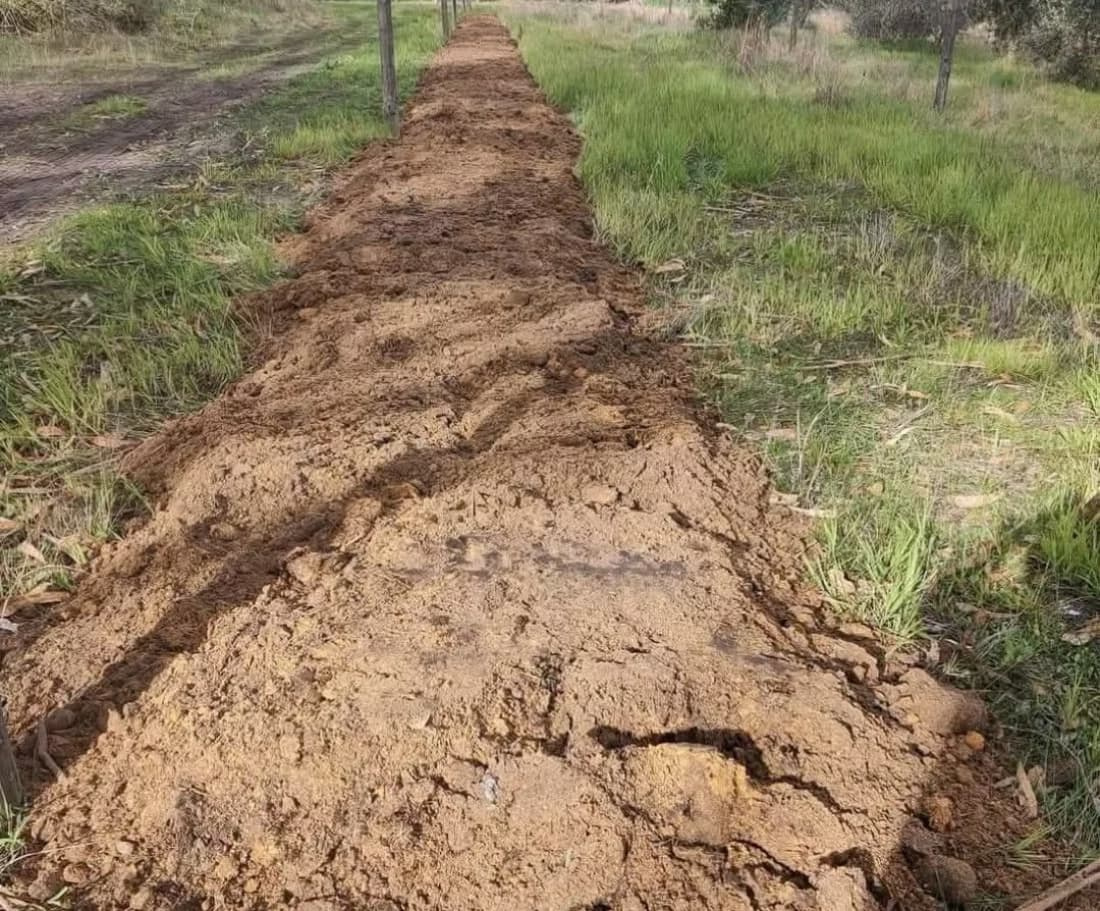
What You Can Actually Change About Bad Soil
Heavy clay and loose sand feel like permanent sentences, and half of that is true. What your soil is made of will not change. How those particles are arranged will — and that is the half that decides whether anything grows.
Read Article
Why Your Plants Survive Winter and Die in July
Your hardiness zone is built from one number — the coldest night of an average year. It says nothing about the hottest afternoon, which is what actually kills most plants people lose. Here's how to read the other half of the map.
Read Article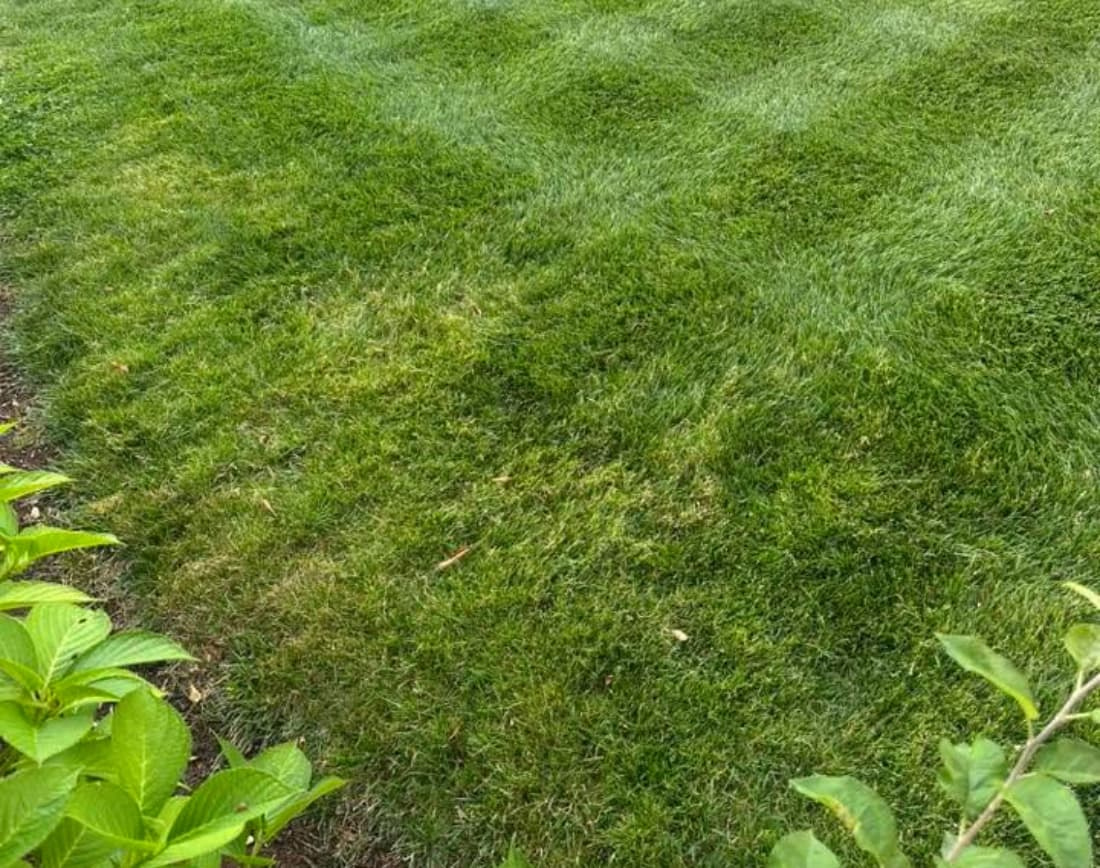
Why Poa Annua Keeps Coming Back — and the 3-Year Plan That Finally Ends the Cycle
You've pulled it. You've sprayed it. You've watched the little white seedheads mock you every single spring. And every fall, like clockwork, it's back — in the lawn, in the beds, in the cracks you didn't know you had. Here's the hard truth nobody at the big-box store will tell you: you're not losing because you're doing it wrong — you're losing because you're fighting the wrong enemy on the wrong timeline. Poa annua isn't a one-season problem, and once you understand why, the three-year plan below stops feeling like a chore and starts feeling like a countdown.
Read Article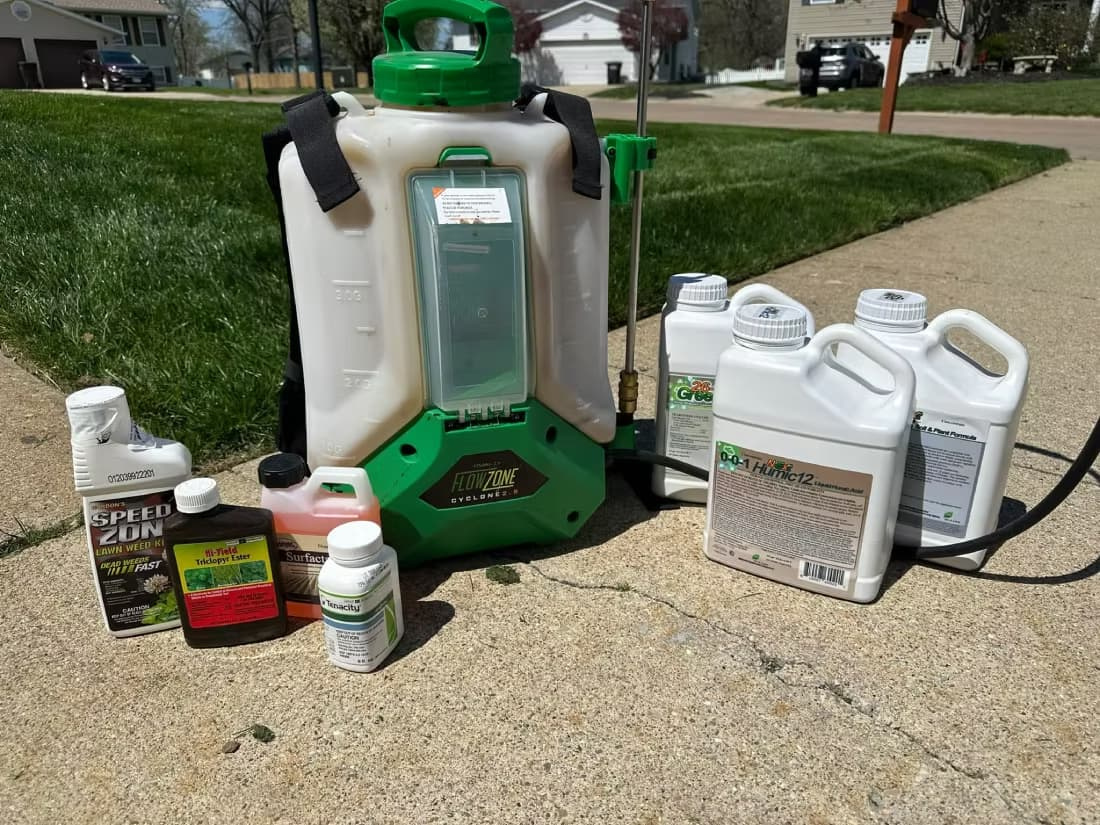
How to Apply Herbicides Correctly in Your Lawn and Garden Beds
Getting real results from a weed product has almost nothing to do with the brand on the bottle and everything to do with matching the method to the moment — the right chemistry, in the right place, at the right time. Learn how to apply herbicides correctly across both your lawn and your garden beds, whether you’re stopping weeds before they sprout or killing the ones already growing, without wasting product or harming the plants you want to keep.
Read Article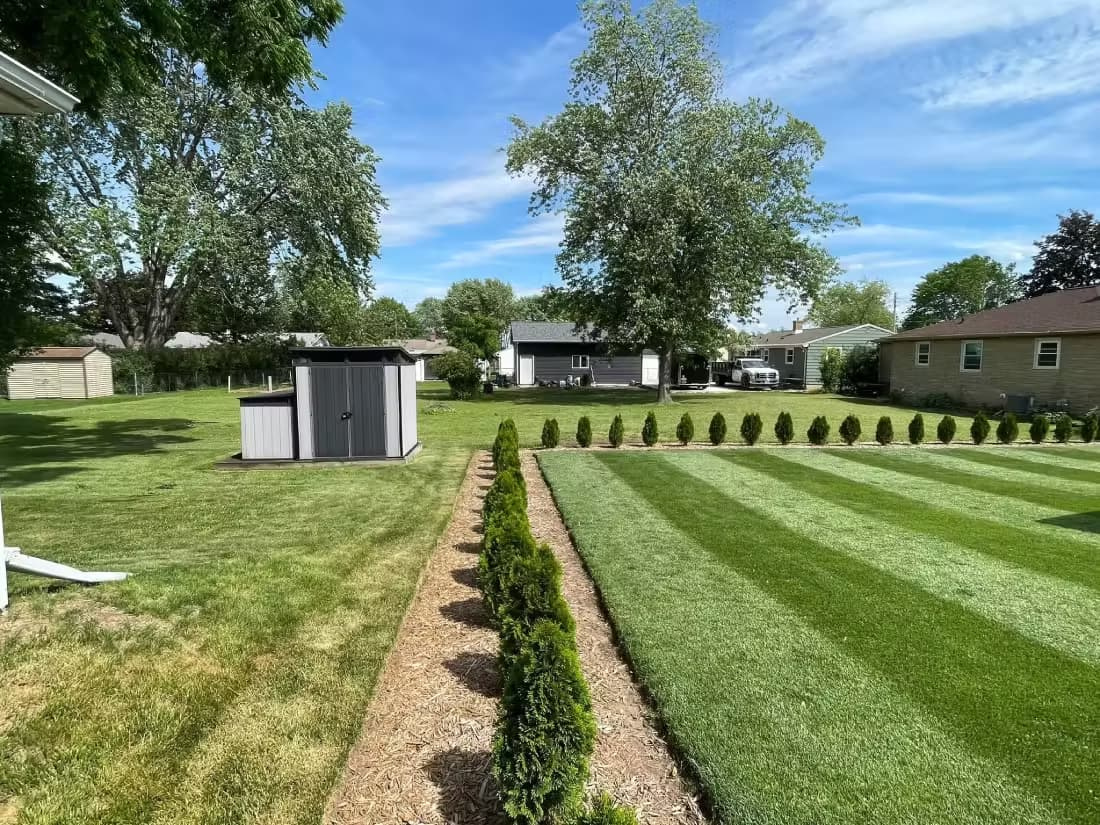
How to Kill Weeds Where Two Lawns Meet Without Harming Your Neighbor’s Grass
Controlling weeds along a shared property line is where good intentions quietly backfire—the season that's safe for your own lawn is often the season the lawn next door is most easily harmed. Learn the seasonal timing collision behind most fence-line damage, and the two habits that prevent it—reading what's actually in the bottle and spraying directed instead of broadcast—so you can clear the weeds without hurting your grass, your neighbor's, or the peace between you.
Read Article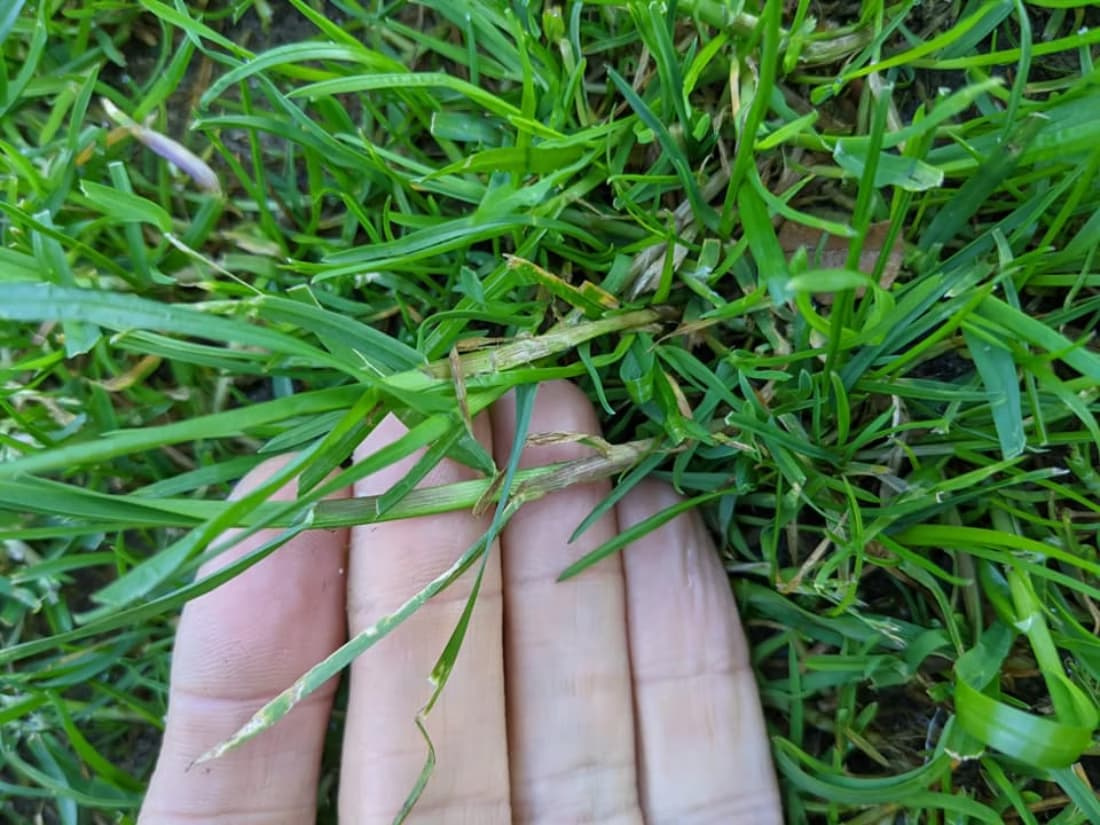
The Truth About One-and-Done Weed Control
Most homeowners lose the fight against weeds not because they work too little, but because they act before they understand. One-and-done weed control is real — but it only works when identification, timing, and the right tool all line up. This guide explains how that sequence works across your lawn and your ornamental beds, and how each weed page in the MFY hub puts it into practice for your specific invader.
Read Article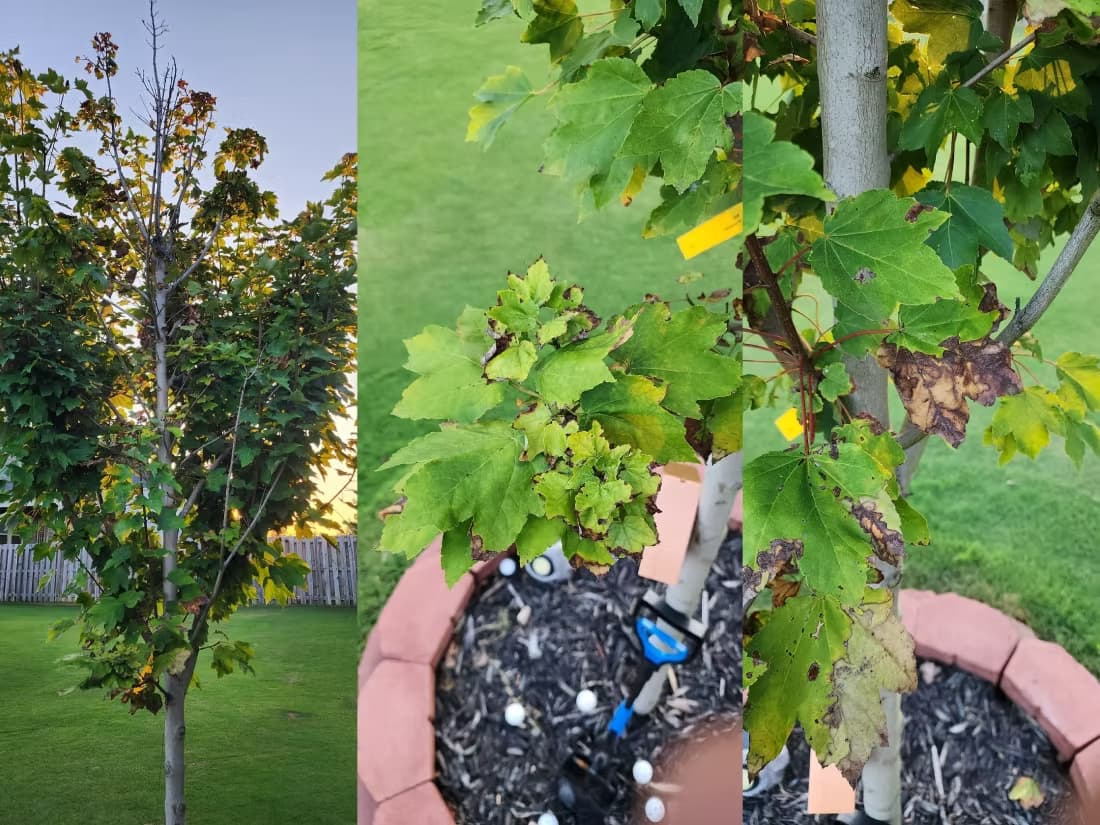
Solving the Mystery of the False Evidence in Your Lawn and Landscape
A brown leaf or a yellowing lawn is rarely what it seems. When symptoms act as decoys, a calm, forensic approach brings clarity to the confusion. Learn how to look past the surface to find the quiet truth of what your plants are truly asking for.
Read Article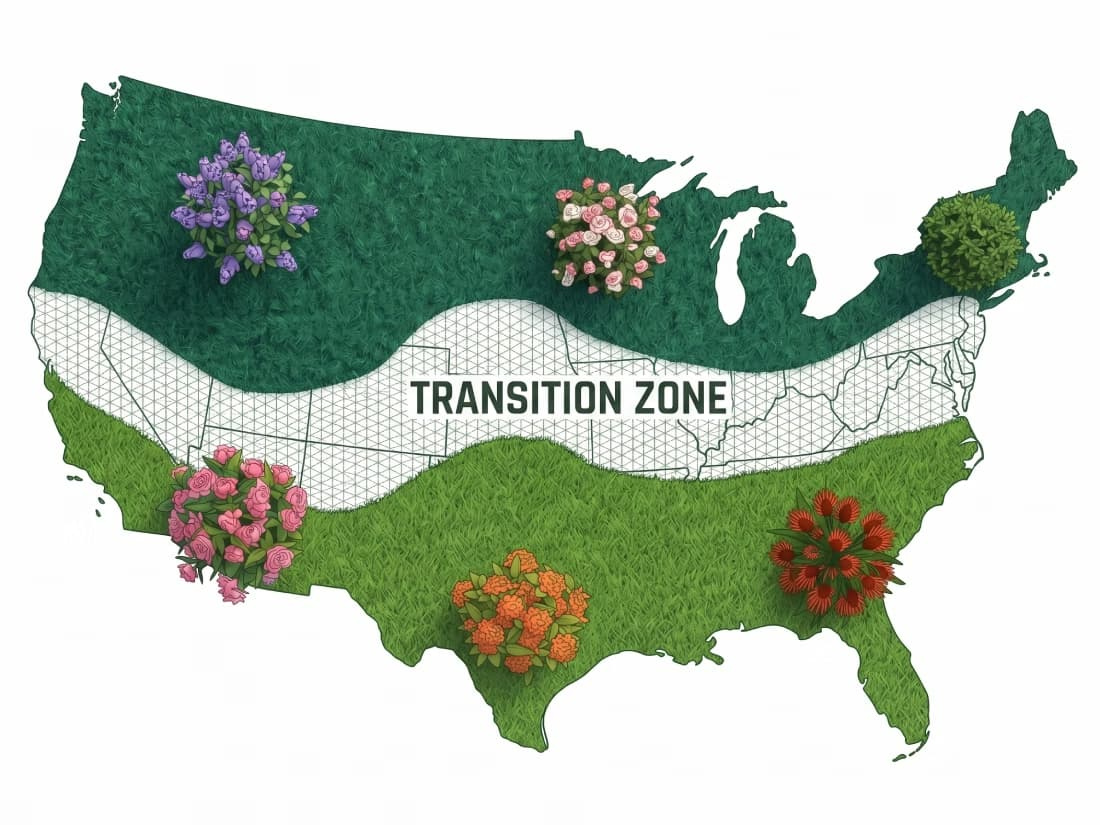
Living in the Middle: The Deep-Dive Guide to Transition Zone Lawns and Landscapes
The Transition Zone is a biological tug-of-war where neither northern nor southern species perfectly adapt. By using resilient "bridge" species and mastering maintenance levers like the Mowing Pivot, you can transform a struggling yard into a healthy landscape.
Read Article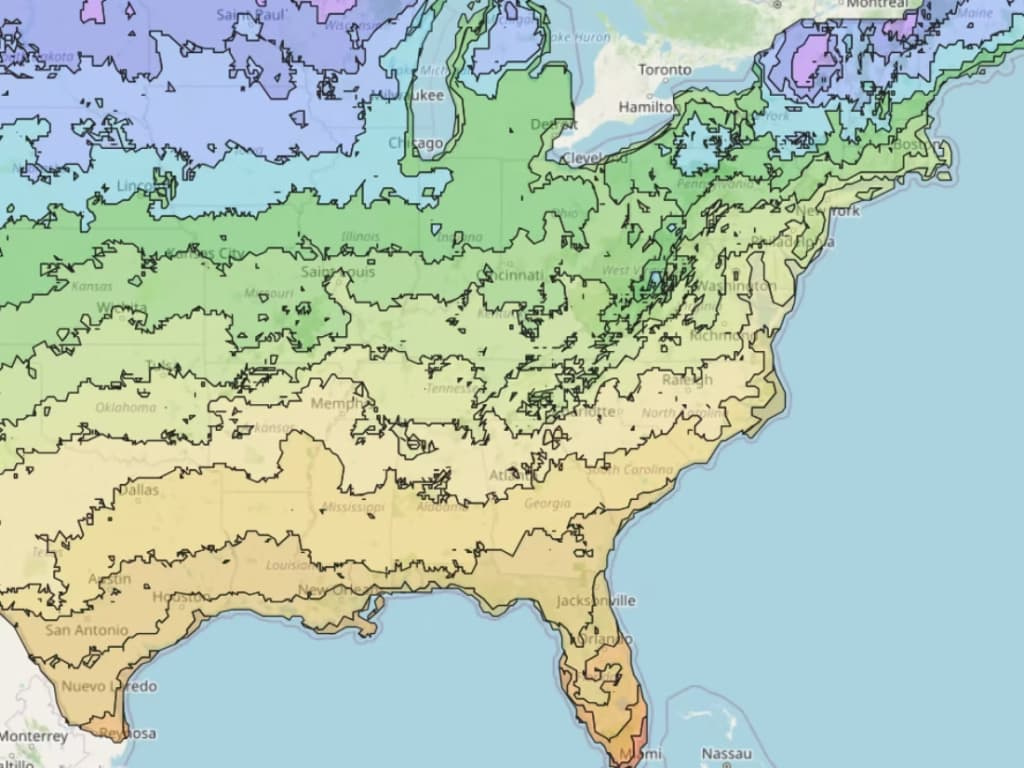
What Your Hardiness Zone Really Means for Your Lawn and Plants
Uncover the foundation of a resilient landscape by mastering the science of hardiness zones. Learn how these climate boundaries are calculated and why understanding your local temperature limits is the first step toward choosing plants that thrive year after year.
Read ArticleClimatic Transitions: Adjacent Hardiness Zones
Hardiness zones are not rigid boundaries but parts of a fluid climatic gradient. Exploring the data for a neighboring zone provides critical context for understanding how a slight shift in average minimum temperatures—even by a few degrees—can fundamentally alter your botanical survival windows and seasonal management strategy.
The Soil Profile Builder
Temperature dictates what grows, but soil texture determines how it thrives. Use our forensic tool to analyze your soil composition and integrate Hardiness Zone data with your unique subterranean conditions.
Build Soil ProfileFrequently Asked Questions
These are the questions extension services in this zone answer most often, and the misconceptions their diagnostic clinics correct most repeatedly.
Each answer explains the mechanism rather than just the fix. Once you know why something is happening, you can usually see it coming the following year — which is worth more than a treatment.
They are waiting for a signal that never arrives. Deciduous temperate species hold their buds in endo-dormancy, an internal rest state that only breaks after a set accumulation of hours between 32°F and 45°F. Zone 11 accumulates none. Flower buds abort, vegetative growth stays locked, and the plant slowly burns through its root reserves until it dies. It is not a care problem and there is no way to manage around it.
Thin tree canopies structurally in early spring so wind passes through rather than pushing against a solid mass. Remove deadwood, and train major shade trees to a single central leader, which is far less likely to split than a co-dominant fork. Do this work in spring rather than late summer — pruning cuts made in August or September become decay entry points at exactly the wrong moment.
Almost always interveinal chlorosis from high-pH limestone soil. South Florida’s shallow soils sit over Miami oolite and run pH 7.8 to 8.5, which locks iron and manganese into forms roots cannot take up. The leaf yellows between the veins while the veins stay green. Foliar chelated iron corrects it in the short term, and choosing plants adapted to alkaline soil solves it permanently.
No. Growth slows through the shorter days of the dry season but the turf stays green and keeps growing, so you will still be mowing every two to three weeks in January. The practical consequence is that pest management never stops either — nematodes and chinch bugs cycle year-round with no freeze to knock their numbers back.
Roughly 1,000 feet inland is where airborne salt stops being the deciding factor, though a solid windbreak or building can shorten that considerably. Inside that band, salt burns leaf margins and defoliates anything not adapted to it. Sea grape, gumbo limbo, and buccaneer palm are the reliable choices closest to the water.
Scientific Authority
Every figure on this page traces to one of three places: the 2023 USDA Plant Hardiness Zone Map, NOAA climate normals, or land-grant university extension research. Nothing comes from garden blogs or retail sites.
Seasonal timing is keyed to soil temperature and biological markers rather than calendar dates, because the calendar shifts by weeks from year to year and the soil does not. Where extension services disagree — and on the transition zone boundary they do — that disagreement is stated rather than smoothed over. The sources are listed here so you can check the work.
Primary Resources
- USDA Agricultural Research Service — 2023 Plant Hardiness Zone Map
- University of Florida IFAS Extension — EDIS Publications
- University of Florida IFAS — Florida-Friendly Landscaping Program
- University of Hawai’i College of Tropical Agriculture and Human Resources
- PRISM Climate Group, Oregon State University — Plant Hardiness Zone Datasets