
No chill hours, no dormancy, and year-round pest pressure
USDA Hardiness Zone 10: The Tropical Threshold
Key Regions: Coastal Southern California, peninsular Florida, Texas barrier islands, Phoenix urban core
Zone Summary At-a-Glance
Heat Days
40–180+ days
First Frost
Late Dec, 10a only
Last Frost
Early Feb, 10a only
Temperature Range
30°F to 40°F
Subzone A Temp
30°F to 35°F
Subzone B Temp
35°F to 40°F
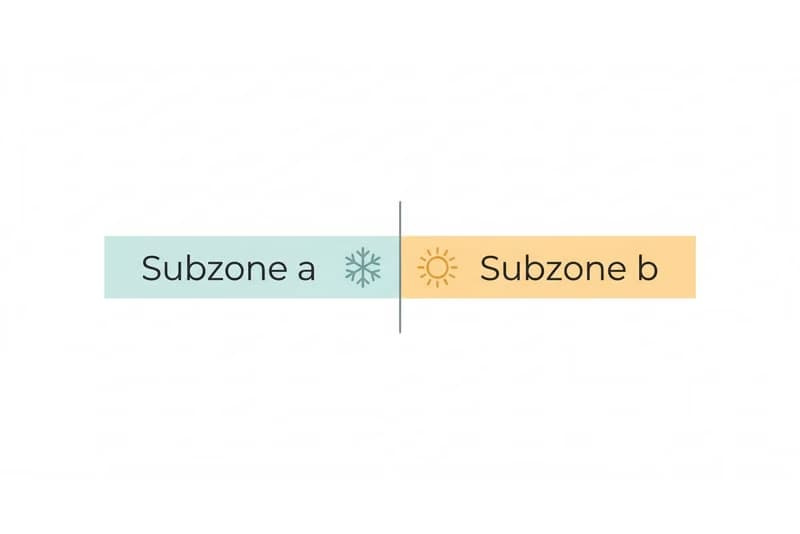
Understanding the Subzone Division
- Zone 10a (30°F to 35°F) — Occasional radiational frost damages true tropicals. Coconut palm, royal palm, and cacao take light to severe foliage injury. The January 2010 event held inland 10a at 28°F to 30°F for several nights and caused defoliation and trunk rot.
- Zone 10b (35°F to 40°F) — Maritime buffering or urban thermal mass keeps minimums above 35°F in most winters, so delicate tropical canopies come through intact. In the same 2010 event, coastal 10b stayed above 35°F with negligible damage.
No real winter and almost no chill hours
Zone 10 covers ground where the average annual low runs between 30°F and 40°F — a genuinely subtropical band. In the United States it holds the coastal California strip from San Francisco through Los Angeles to San Diego, peninsular Florida from Tampa and Vero Beach south through Fort Myers and Naples into the interior Palm Beach and Broward belts, narrow Texas barrier islands, and the urban heat cores of the Phoenix basin. The 2023 map moved a lot here. Orlando came up from 9b to 10a, Tampa to 10a and 10b, and Naples to 10b. Miami moved out of Zone 10 entirely into 11a, and Key West into 11b and 12a.
What defines this zone is the absence of winter rather than the presence of heat. Chill hours fall to near zero — under 200 on the California coast and between 0 and 100 in peninsular Florida. That single fact eliminates most temperate trees and shrubs, because they need a cold signal that never arrives. Pests and diseases follow the same logic: with no killing frost, chinch bugs, sod webworms, and nematodes stay active 10 to 12 months a year.
The Lawn & Turf Management Calendar
Spring (Mar-May)
- Mediterranean California: Apply pre-emergent at 55°F soil, then scalp off winter tissue and feed lightly once growth is active.
- Florida: Pre-emergent mid-February to early March, and hold nitrogen until the lawn reaches full natural green-up.
- Desert Southwest: Transition off winter ryegrass in April and May by dropping mowing height and letting sun reach the emerging warm-season stolons.
Summer (Jun-Aug)
- Mediterranean California: Water deeply on the restricted schedule and keep mowing height up to shade the root zone.
- Florida: Mow at 2.5 to 4 inches, irrigate only to supplement wet-season rain, and observe county fertilizer blackouts from June 1 through September 30.
- Desert Southwest: Irrigate deeply every 3 days to leach root-zone salt, and feed monthly through the growth peak.
Fall (Sep-Nov)
- Mediterranean California: Apply fall pre-emergent before soil drops below 55°F and taper nitrogen.
- Florida: Apply high-potassium fertilizer in late August or September once the blackout lifts, then pre-emergent in October.
- Desert Southwest: Overseed in October if you want winter color — scalp, sow ryegrass, and water frequently until germination.
Winter (Dec-Feb)
- All sub-regions: Turf slows but rarely goes fully dormant. Keep mowing on a reduced schedule rather than stopping.
- Florida and California: Cut irrigation back sharply. Extension services in both states discourage overseeding home lawns.
- Desert Southwest: Non-overseeded lawns go blonde — no feed, water every 3 to 4 weeks. Overseeded lawns need mowing and water every 7 to 10 days.
The Lawn Care Strategy
The defining fact about a Zone 10 lawn is that it never really stops. Warm-season turf slows through the cool season but rarely enters true dormancy, which means mowing is a year-round job and so is pest management — chinch bugs, sod webworms, and root-knot nematodes stay active 10 to 12 months without a killing frost to reset their populations. Two soil problems shape everything else. Calcareous marl soils across peninsular Florida and the desert basins run pH 7.8 to 8.3, locking up iron and manganese and producing severe yellowing between the leaf veins that only foliar chelates correct. And in the desert, salt accumulates from irrigation water evaporating out of alkaline soil, which is why deep watering every few days matters more than frequent light watering — the point is to push salt down past the roots.
Lawn-Specific Tips & Local Risks
- There is no off-season for pests. Without a killing frost, chinch bugs, sod webworms, and nematodes cycle continuously. Scouting has to be a monthly habit rather than a seasonal one, and problems caught in February matter as much as problems caught in July.
- Marl soil yellowing is not a nitrogen problem. At pH 7.8 to 8.3, iron and manganese are chemically unavailable regardless of how much fertilizer is present. Adding nitrogen produces weak green growth on a plant still starved of micronutrients. Foliar chelated iron is the correction.
- Deep watering in the desert is salt management, not just hydration. Irrigation water leaves salt behind as it evaporates. Watering deeply enough to move water past the root zone carries that salt down with it. Light frequent watering concentrates it exactly where roots live.
The Plant & Ornamental Management Calendar
Spring (Mar-May)
- All sub-regions: Prune winter-damaged tropical growth once new shoots confirm what survived.
- Florida: Plant ahead of the June wet season so roots establish before soils saturate.
- Desert Southwest: Finish planting and pruning before May — the summer window is closed for new installations.
Summer (Jun-Aug)
- Florida: Watch for Phytophthora and Pythium root rot in soils saturated through the wet season, and stake or prune for wind ahead of hurricane season.
- Mediterranean California: Irrigate through the rainless months and mulch to cut evaporation.
- Desert Southwest: Protect thin bark from solar scald, and do no planting or root disturbance at all.
Fall (Sep-Nov)
- All sub-regions: The main planting window opens as heat breaks and stays open through winter.
- Florida: Plant once wet-season saturation has drained, giving roots a dry-season head start.
- Desert Southwest: Plant natives and winter annuals now and reduce irrigation as days shorten.
Winter (Dec-Feb)
- Zone 10a: Cover tender tropicals during radiational frost events, and water thoroughly beforehand.
- All sub-regions: This is the comfortable working season — prune, plant, divide, and establish.
- Desert Southwest: Continue watering woody plants every 3 to 4 weeks through dry spells.
The Plant Care Strategy
Zone 10 gardening is defined by what it cannot do. With chill accumulation under 100 hours across peninsular Florida and under 200 on the California coast, most temperate trees and shrubs are off the table permanently — not difficult, not marginal, simply impossible, because the dormancy signal they require never arrives. What you get in exchange is a landscape palette no other zone in the country can grow. The constraints that remain are regional. Florida faces hurricane wind shear, which makes wind-firm species selection a safety decision rather than an aesthetic one, and saturated wet-season soils that drive root rot. The desert faces urban heat island scald, where night temperatures never drop enough for plants to recover. And state invasive species bans genuinely restrict what you may plant.
Plant-Specific Tips & Local Risks
- Check the invasive list before you buy. Florida and California restrict aggressive exotics including Brazilian pepper, Mexican petunia, Australian pine, and giant reed. Some are still sold. Planting them is both an ecological problem and, in places, a legal one.
- Wind-firm beats fast-growing in hurricane country. Shallow-rooted, brittle trees uproot or snap under storm shear and take structures with them. Wild tamarind, live oak, and cabbage palm hold. Choose for the storm, not the shade timeline.
- Urban heat cores scald bark that shade would protect. In Phoenix, night thermal retention plus daytime radiation burns thin-barked trunks. Shade cloth or white latex paint on the trunk is standard practice, not an overreaction.
Curated Species & Botanical Compatibility
Featured Grasses for This Zone
Warm-season throughout. St. Augustinegrass and bahiagrass dominate Florida, while bermudagrass and zoysiagrass work zone-wide. Seashore paspalum is the choice wherever salt intrusion or brackish irrigation is a factor. Tall fescue applies only to coastal Mediterranean California, and perennial ryegrass only as desert winter overseeding.
Top Perennials
Top Trees & Shrubs
Marginal & At-Risk Species
These are not difficult here; they are impossible. With chill accumulation under 100 hours in peninsular Florida and under 200 on the California coast, none of these plants ever receives the cold signal that ends dormancy. They leaf out sporadically, flower erratically or not at all, and decline. No amount of good care changes the outcome, because the constraint is climatic rather than cultural.
Deep Dives & Practical Guides
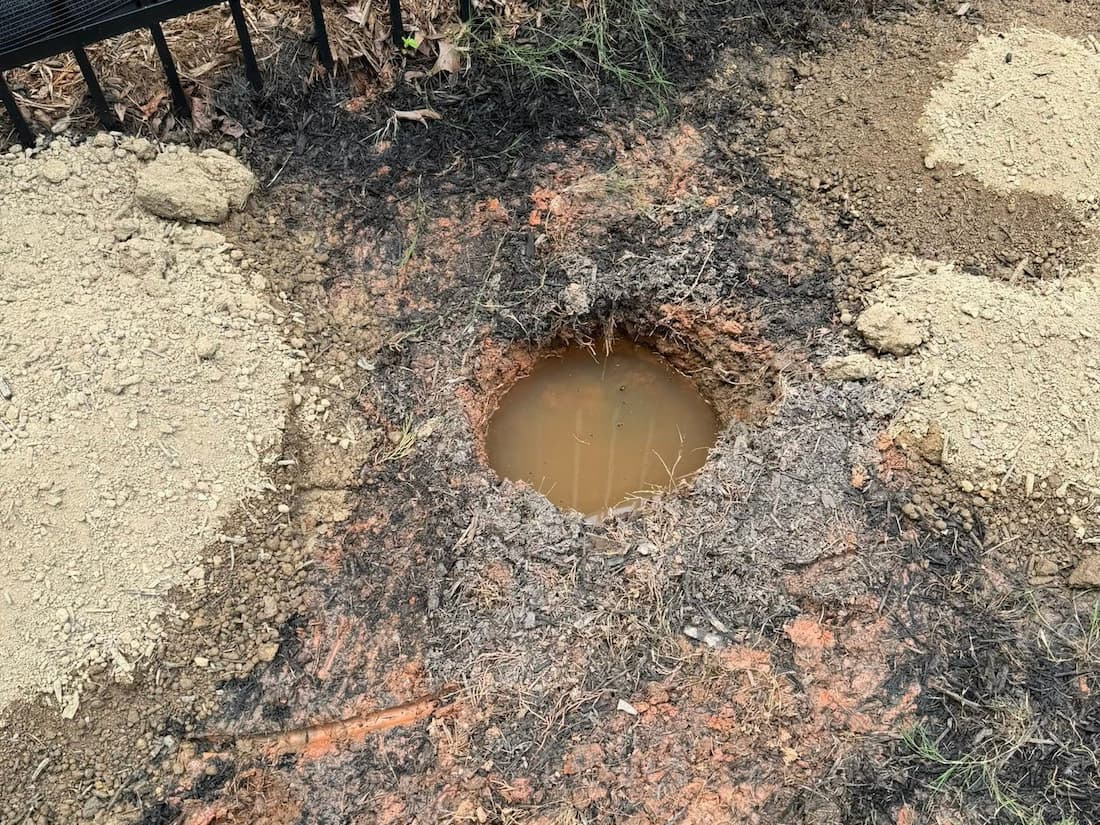
The Hole You Dug Is Killing Your New Plants
A shrub that looked fine all summer and stalled the next year usually didn't fail because of the plant, the weather, or the nursery. It failed because the hole it went into was a container — smooth-walled, water-holding, and impossible to root out of.
Read Article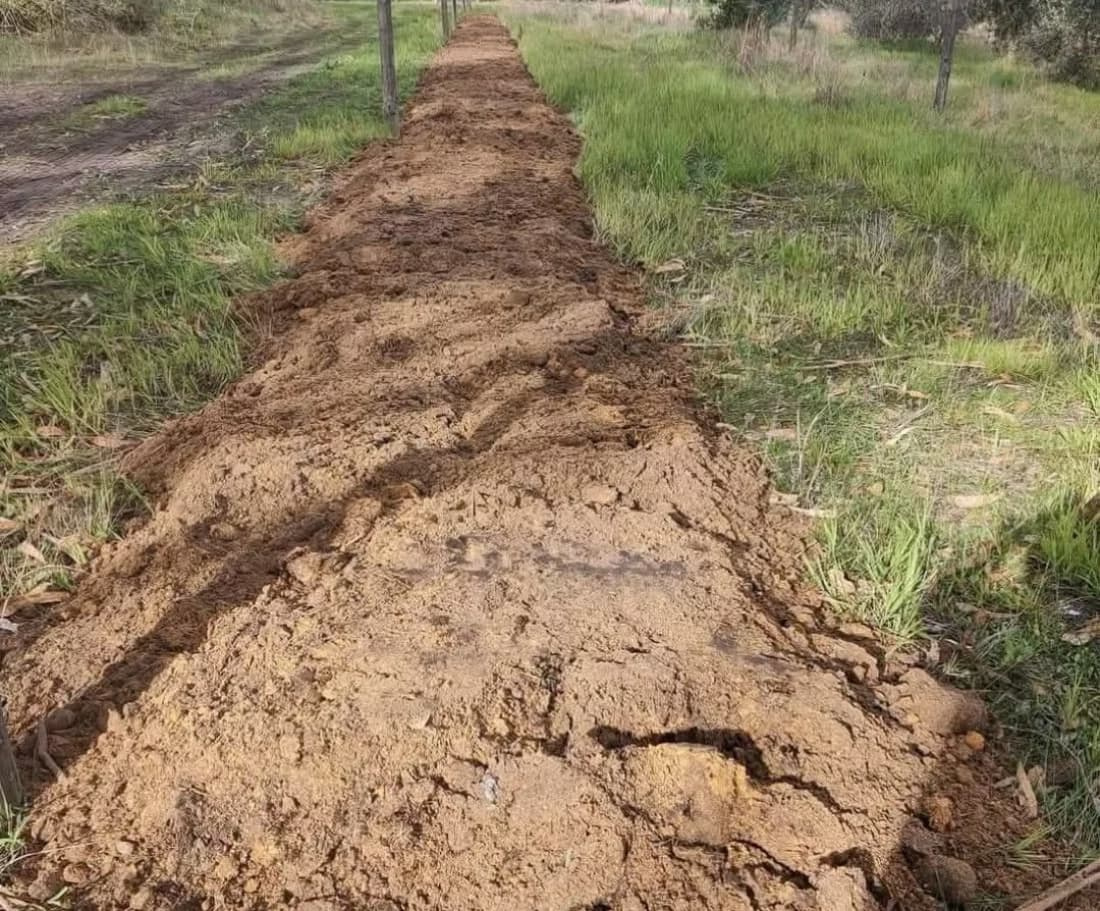
What You Can Actually Change About Bad Soil
Heavy clay and loose sand feel like permanent sentences, and half of that is true. What your soil is made of will not change. How those particles are arranged will — and that is the half that decides whether anything grows.
Read Article
Why Your Plants Survive Winter and Die in July
Your hardiness zone is built from one number — the coldest night of an average year. It says nothing about the hottest afternoon, which is what actually kills most plants people lose. Here's how to read the other half of the map.
Read Article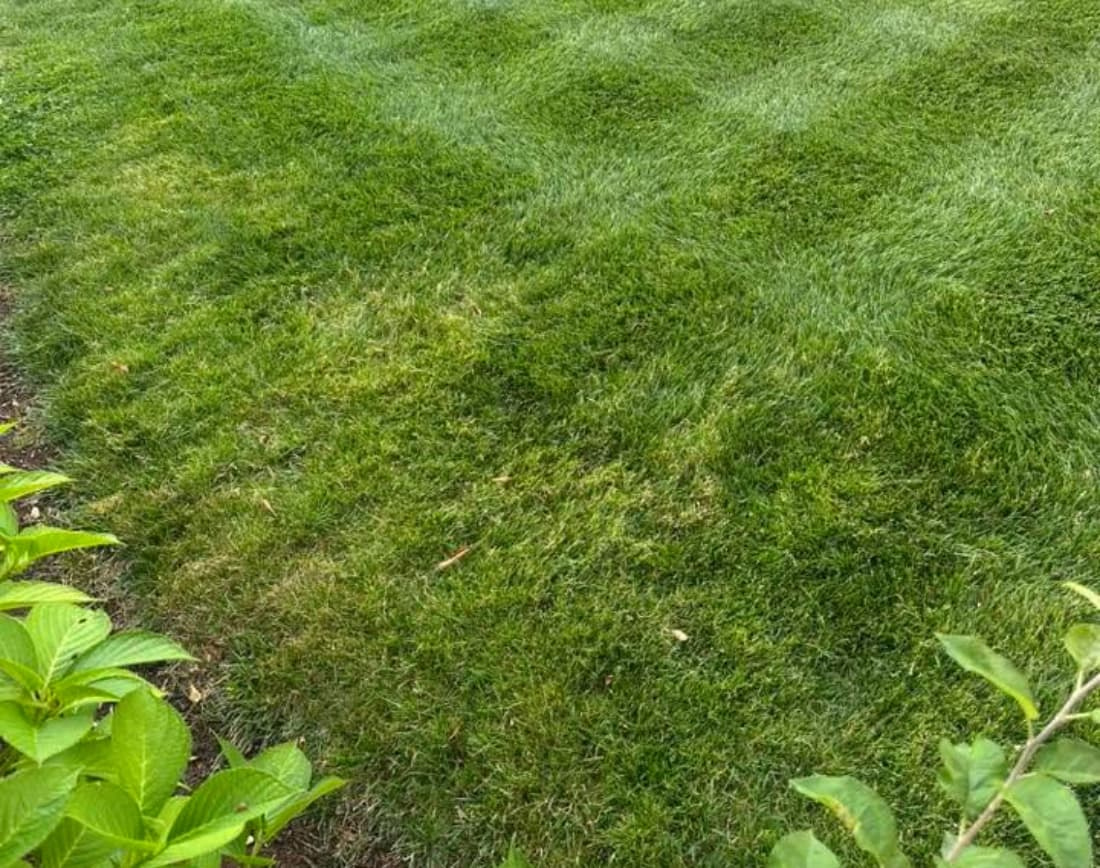
Why Poa Annua Keeps Coming Back — and the 3-Year Plan That Finally Ends the Cycle
You've pulled it. You've sprayed it. You've watched the little white seedheads mock you every single spring. And every fall, like clockwork, it's back — in the lawn, in the beds, in the cracks you didn't know you had. Here's the hard truth nobody at the big-box store will tell you: you're not losing because you're doing it wrong — you're losing because you're fighting the wrong enemy on the wrong timeline. Poa annua isn't a one-season problem, and once you understand why, the three-year plan below stops feeling like a chore and starts feeling like a countdown.
Read Article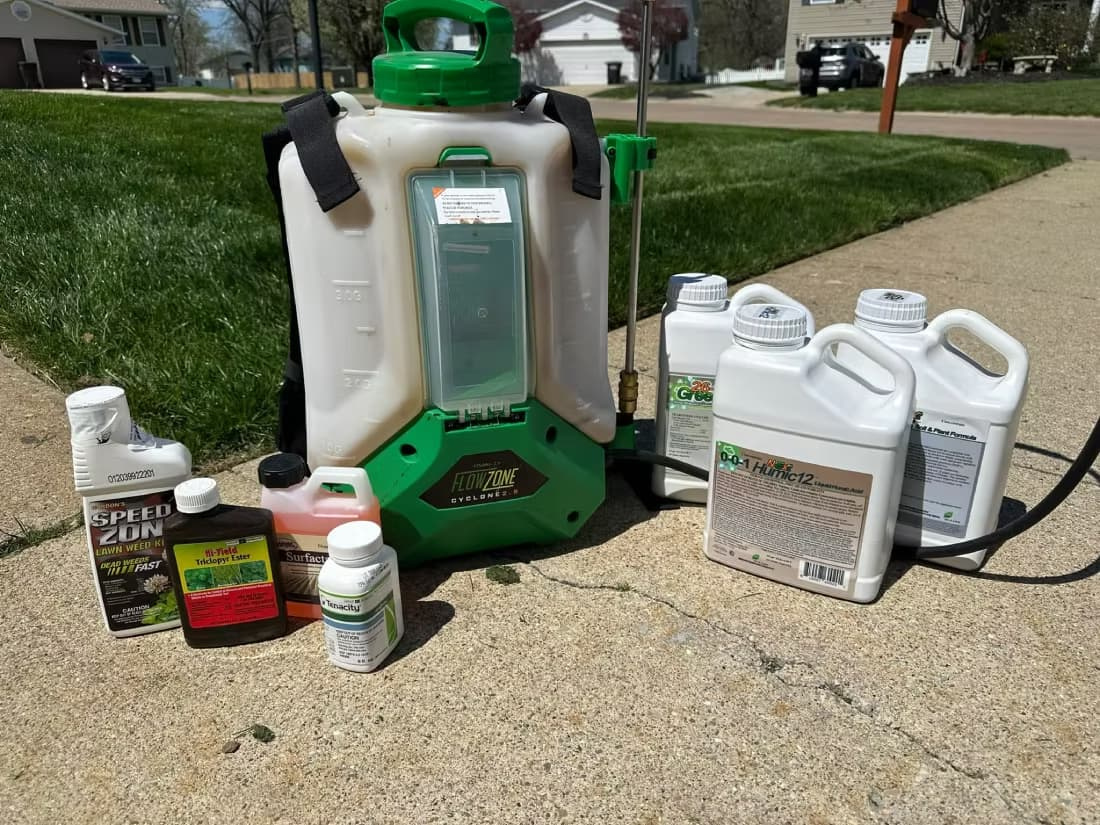
How to Apply Herbicides Correctly in Your Lawn and Garden Beds
Getting real results from a weed product has almost nothing to do with the brand on the bottle and everything to do with matching the method to the moment — the right chemistry, in the right place, at the right time. Learn how to apply herbicides correctly across both your lawn and your garden beds, whether you’re stopping weeds before they sprout or killing the ones already growing, without wasting product or harming the plants you want to keep.
Read Article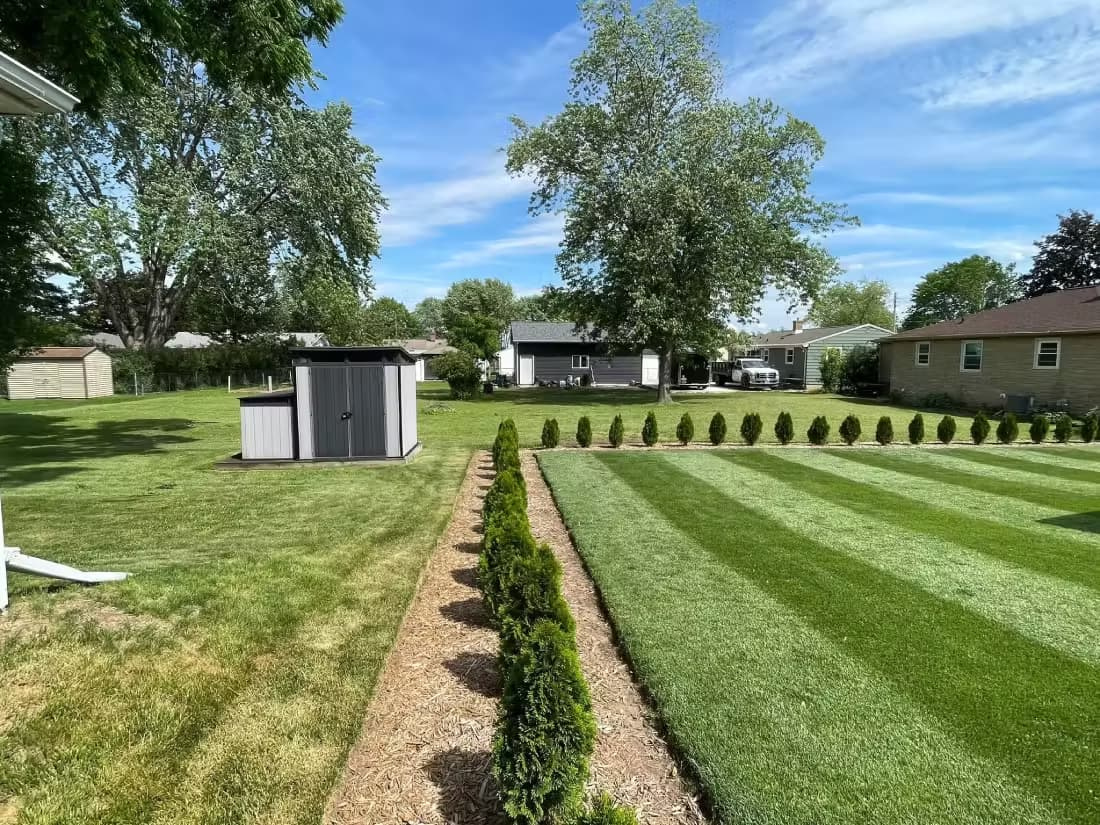
How to Kill Weeds Where Two Lawns Meet Without Harming Your Neighbor’s Grass
Controlling weeds along a shared property line is where good intentions quietly backfire—the season that's safe for your own lawn is often the season the lawn next door is most easily harmed. Learn the seasonal timing collision behind most fence-line damage, and the two habits that prevent it—reading what's actually in the bottle and spraying directed instead of broadcast—so you can clear the weeds without hurting your grass, your neighbor's, or the peace between you.
Read Article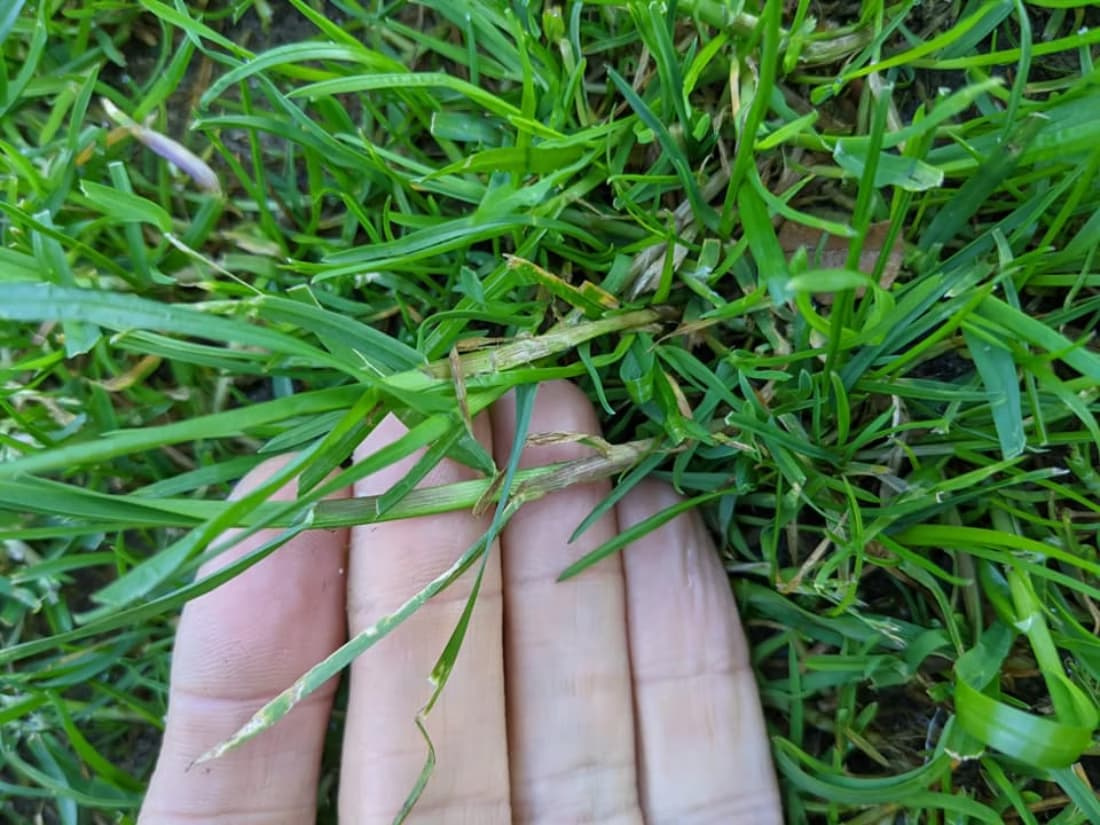
The Truth About One-and-Done Weed Control
Most homeowners lose the fight against weeds not because they work too little, but because they act before they understand. One-and-done weed control is real — but it only works when identification, timing, and the right tool all line up. This guide explains how that sequence works across your lawn and your ornamental beds, and how each weed page in the MFY hub puts it into practice for your specific invader.
Read Article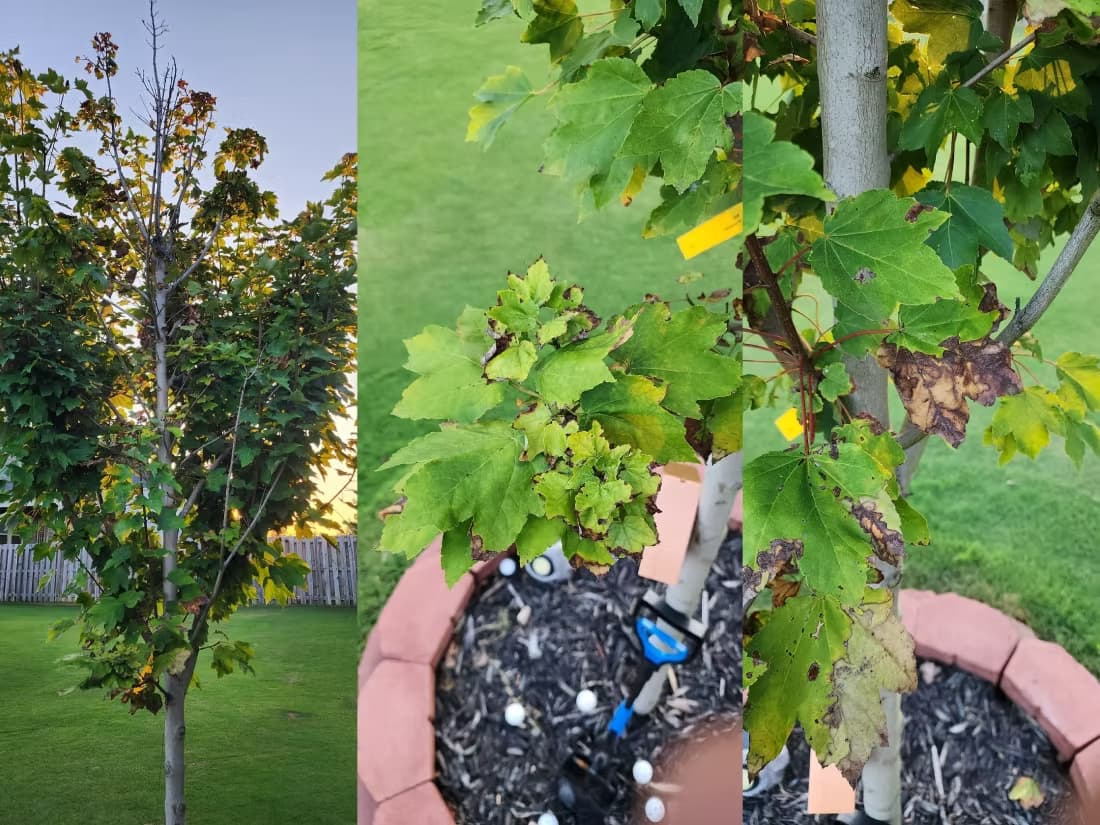
Solving the Mystery of the False Evidence in Your Lawn and Landscape
A brown leaf or a yellowing lawn is rarely what it seems. When symptoms act as decoys, a calm, forensic approach brings clarity to the confusion. Learn how to look past the surface to find the quiet truth of what your plants are truly asking for.
Read Article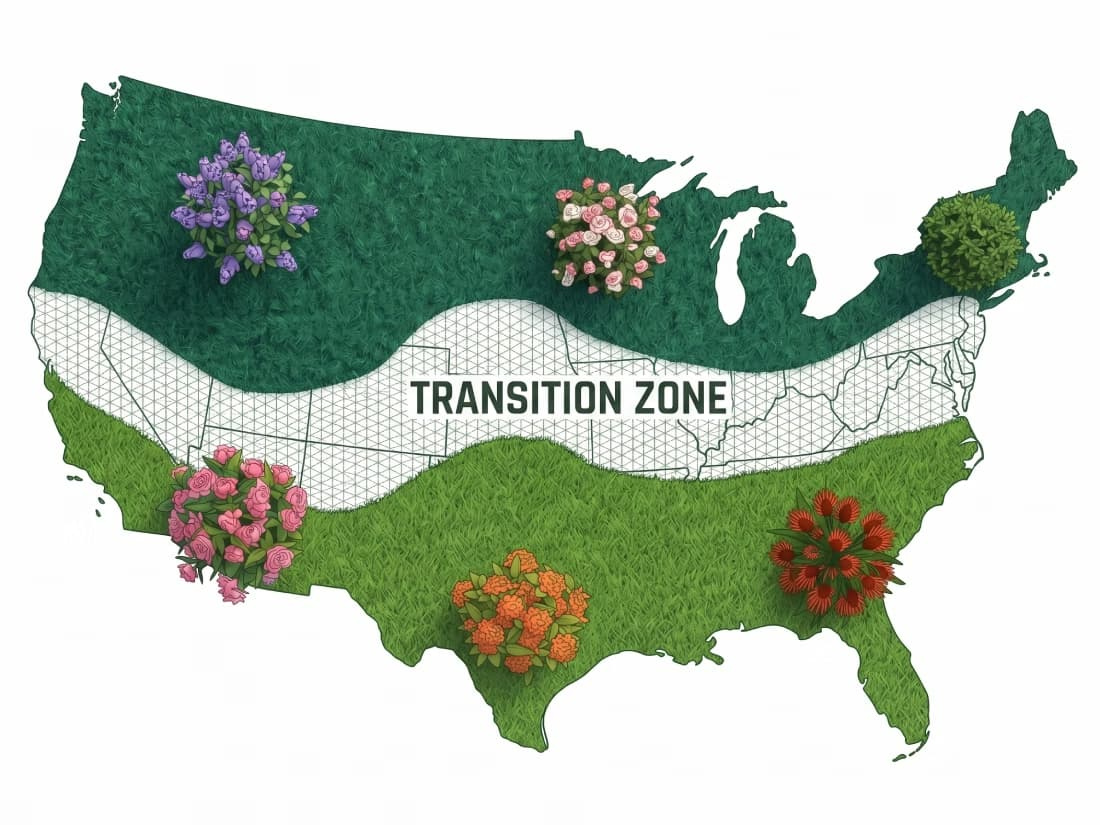
Living in the Middle: The Deep-Dive Guide to Transition Zone Lawns and Landscapes
The Transition Zone is a biological tug-of-war where neither northern nor southern species perfectly adapt. By using resilient "bridge" species and mastering maintenance levers like the Mowing Pivot, you can transform a struggling yard into a healthy landscape.
Read Article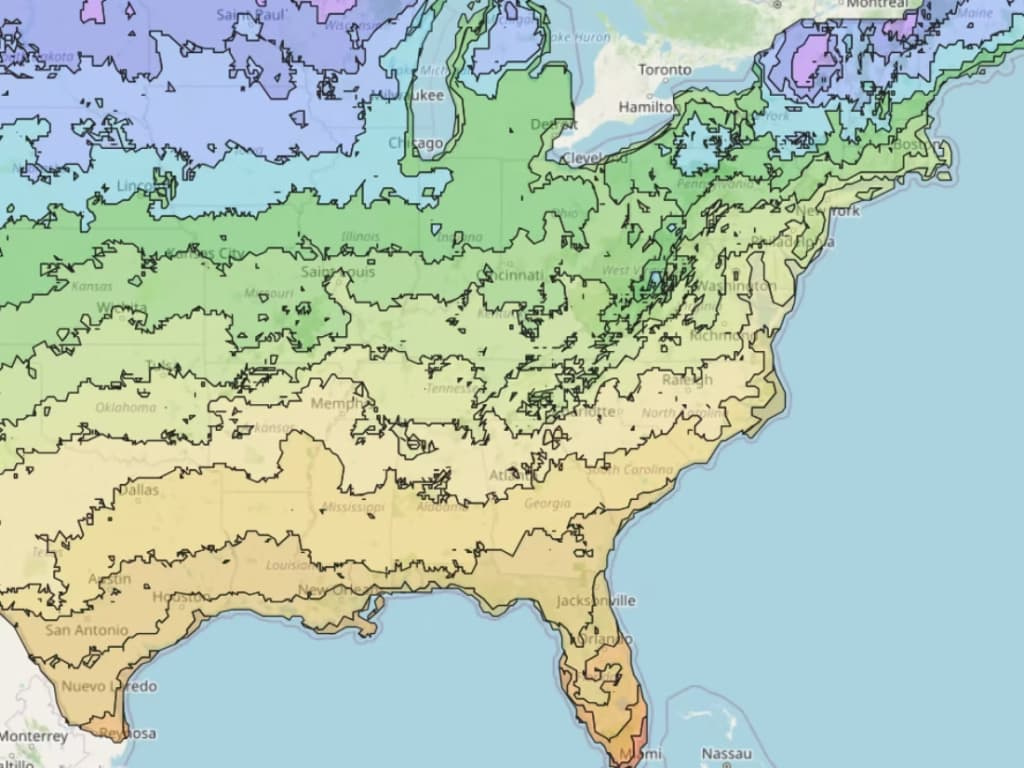
What Your Hardiness Zone Really Means for Your Lawn and Plants
Uncover the foundation of a resilient landscape by mastering the science of hardiness zones. Learn how these climate boundaries are calculated and why understanding your local temperature limits is the first step toward choosing plants that thrive year after year.
Read Article
The One-Third Mowing Rule: A Species-Specific Guide to Mowing Heights
Stop guessing your lawn's health. While the one-third rule is the foundation, every grass species has its own threshold for stress. This guide provides exact 'mow-at' heights, seasonal frequency adjustments, and mower setting tips for over 12 grass types to ensure a professional-grade cut every time.
Read Article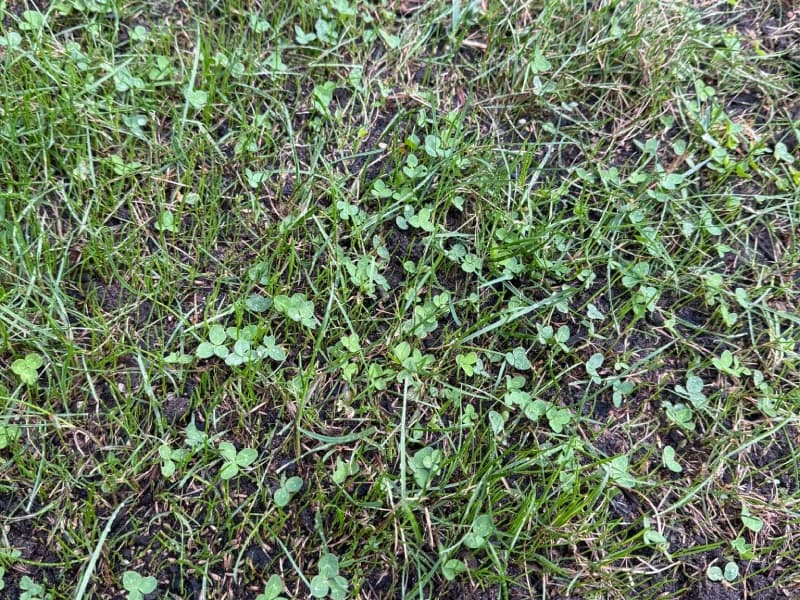
How to Kill Weeds in New Grass Without Killing the Grass
You spent weeks preparing the soil and watering your new seeds, only to see a "carpet of green" that looks more like a weed patch than a lawn. It is frustrating to watch weeds grow twice as fast as your tiny seedlings, leading to a "Panic Phase" where many homeowners make the mistake of spraying too early. Before you reach for the herbicide and risk killing your investment, you need to understand the precise timing required to save your new grass while clearing out the invaders.
Read ArticleClimatic Transitions: Adjacent Hardiness Zones
Hardiness zones are not rigid boundaries but parts of a fluid climatic gradient. Exploring the data for a neighboring zone provides critical context for understanding how a slight shift in average minimum temperatures—even by a few degrees—can fundamentally alter your botanical survival windows and seasonal management strategy.
The Soil Profile Builder
Temperature dictates what grows, but soil texture determines how it thrives. Use our forensic tool to analyze your soil composition and integrate Hardiness Zone data with your unique subterranean conditions.
Build Soil ProfileFrequently Asked Questions
These are the questions extension services in this zone answer most often, and the misconceptions their diagnostic clinics correct most repeatedly.
Each answer explains the mechanism rather than just the fix. Once you know why something is happening, you can usually see it coming the following year — which is worth more than a treatment.
They never receive the cold signal that tells them winter has passed. Lilac, saucer magnolia, birch, sugar maple, and most northern deciduous plants need a set accumulation of hours between 32°F and 45°F — often 600 to 800 or more — before they break dormancy evenly. Zone 10 accumulates under 100 hours in peninsular Florida and under 200 on the California coast. The plant leafs out sporadically, flowers erratically or not at all, and declines. This is not a soil or care problem, and no amount of good management works around it.
Rarely, and that changes how you manage them. Growth slows through the cool season but the turf usually stays green and keeps growing, so mowing continues year-round on a reduced schedule. It also means pests never get shut down by frost — chinch bugs, sod webworms, and nematodes stay active 10 to 12 months. The upside is a lawn that looks good in January. The cost is that maintenance never fully stops.
Because the base turf never fully goes dormant, so the ryegrass is competing with a living lawn rather than covering a sleeping one. It takes water and nutrients the warm-season grass still needs, harbors fungal pathogens in the canopy, and injures the base turf during spring transition. Extension services in Florida and California both advise against it on home lawns. The desert Southwest is the exception, where a genuine dormant period makes it work.
That is almost certainly iron chlorosis from calcareous marl soil. At pH 7.8 to 8.3 the iron and manganese in your soil are chemically locked into forms roots cannot absorb, so the plant starves surrounded by the nutrient it needs. Granular iron will not help — it converts to the same insoluble form. Foliar chelated iron corrects it, and choosing plants adapted to high pH avoids it permanently.
Root rot from saturated soil. The wet season delivers 50 to 65 inches of rain concentrated between June and October, and in poorly drained ground that produces oxygen-starved soil where Phytophthora and Pythium thrive. Plants wilt and yellow, which looks like drought stress, so people water them more and accelerate the collapse. Drainage is the fix, and it has to be solved before planting rather than after.
Wind-firm species with deep roots and flexible or open canopies. Live oak, cabbage palm, and wild tamarind hold up under high shear. Shallow-rooted, brittle, fast-growing trees uproot or snap, and in a residential yard that is a structural risk rather than a landscaping setback. In coastal Zone 10 this is worth treating as a safety decision.
Because a new plant cannot move water fast enough to survive it. With 100 to 135 days above 100°F and urban heat cores holding warmth overnight, transpiration demand exceeds what an unestablished root system can supply. The plant scorches and dies even under heavy irrigation. Fall planting works because roots develop through the mild months and the plant meets its first summer already established.
Scientific Authority
Every figure on this page traces to one of three places: the 2023 USDA Plant Hardiness Zone Map, NOAA climate normals, or land-grant university extension research. Nothing comes from garden blogs or retail sites.
Seasonal timing is keyed to soil temperature and biological markers rather than calendar dates, because the calendar shifts by weeks from year to year and the soil does not. Where extension services disagree — and on the transition zone boundary they do — that disagreement is stated rather than smoothed over. The sources are listed here so you can check the work.
Primary Resources
- USDA Agricultural Research Service — 2023 Plant Hardiness Zone Map
- University of Florida IFAS Extension — EDIS Publications
- University of California Agriculture and Natural Resources — Home Landscape and Turf
- University of Arizona Cooperative Extension — Desert Landscaping and Turf
- Texas A&M AgriLife Extension — Coastal and Landscape Horticulture
- PRISM Climate Group, Oregon State University — Plant Hardiness Zone Datasets