
Constant warmth plus extreme swings between wet and dry
USDA Hardiness Zone 12: The Equatorial Tropics
Key Regions: Honolulu and leeward Hawaii, coastal Puerto Rico, U.S. Virgin Islands
Zone Summary At-a-Glance
Heat Days
200–280 days
First Frost
None recorded
Last Frost
None recorded
Temperature Range
50°F to 60°F
Subzone A Temp
50°F to 55°F
Subzone B Temp
55°F to 60°F
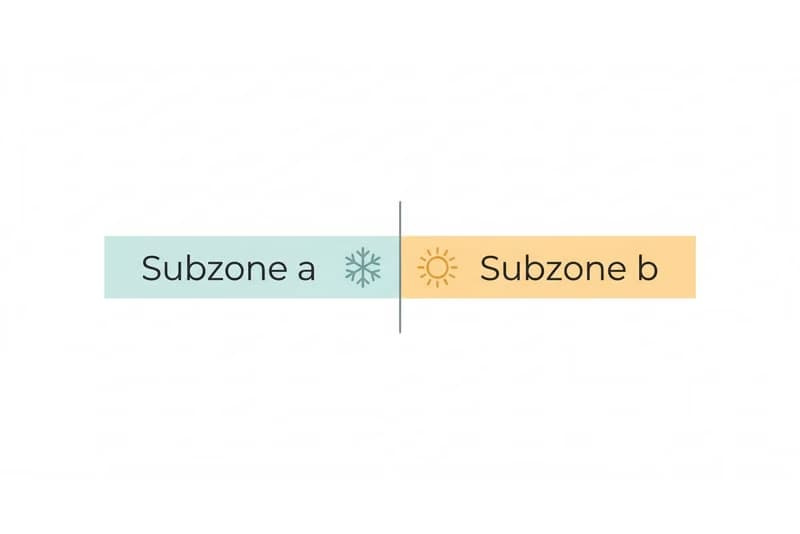
Understanding the Subzone Division
- Zone 12a (50°F to 55°F) — The practical difference between the subzones is minor, since neither approaches freezing and almost nothing in cultivation notices the gap.
- Zone 12b (55°F to 60°F) — Matters only at the extreme end of the palette. A handful of hyper-tropical equatorial species yellow or stall when night temperatures drop into the low 50s, and 12b keeps them clear of it.
Constant warmth and soils that lock up nutrients
Zone 12 covers ground where the average annual low runs between 50°F and 60°F. Its U.S. footprint is small and entirely non-continental — low-elevation coastal Hawaii including Honolulu, the coastal plains of Puerto Rico around Ponce and Mayagüez, and parts of the U.S. Virgin Islands. Honolulu sits at 12b, Mayagüez at 12a, and both Ponce and Charlotte Amalie at 12b. Altogether it covers roughly 1,200 square miles and holds around 1.8 million residents.
Frost has never been recorded anywhere in Zone 12, and heat-day counts stop being useful at this latitude — temperatures pass 86°F on 200 to 280 days a year. What actually varies is rainfall, and it varies enormously over very short distances. Leeward plains like Ponce and Honolulu average 30 to 40 inches annually with a pronounced dry winter. Windward corridors on the same islands take 80 to 140 inches. Two gardens a few miles apart across a ridge are working in different climates entirely.
The Lawn & Turf Management Calendar
Spring (Mar-May)
- Mow every 5 to 7 days as growth accelerates into the wet season.
- Apply a slow-release complete fertilizer at 1 lb nitrogen per 1,000 square feet.
- Aerate compacted soil now, before heavy rains arrive and make the work impossible.
Summer (Jun-Aug)
- Mow every 4 to 6 days through maximum growth.
- Switch off automated irrigation controllers entirely — wet-season rain will saturate the soil without help.
- Treat fungal patch disease and fairy ring promptly, and use chelated iron for color rather than more nitrogen.
Fall (Sep-Nov)
- Mow every 7 to 10 days as rain begins tapering.
- Reduce fertilizer rates heading into the drier months.
- Scout for armyworms and sod webworms, which build after heavy rain.
Winter (Dec-Feb)
- Mow every 10 to 14 days — growth slows with day length but never stops.
- Irrigate about 0.75 inches twice weekly to prevent dry-season desiccation.
- Spot-treat broadleaf weeds and tropical sedges before they establish.
The Lawn Care Strategy
Turf in Zone 12 is vegetatively active 365 days a year, so the calendar is built around rainfall rather than temperature. The single biggest mistake is leaving irrigation controllers running into the wet season, which turns already saturated soil anaerobic and invites root rot and fairy ring. The soil chemistry is the other defining constraint, and it differs by island group. Hawaiian volcanic Oxisols and Ultisols carry high iron and aluminum oxide levels that bind free phosphorus, so applied phosphate becomes unavailable and soil testing is genuinely necessary rather than optional. Puerto Rico’s coastal alkaline beach sands produce the opposite problem, an acute manganese deficiency. Both show up as poor color that more nitrogen will not fix.
Lawn-Specific Tips & Local Risks
- Turn irrigation off in the wet season, not down. Automated controllers running through 80 to 140 inches of windward rainfall keep soil permanently saturated, which drives fungal root disease and fairy ring far more effectively than any pathogen pressure on its own.
- Hawaiian volcanic soils bind phosphorus chemically. Iron and aluminum oxides in Oxisols lock applied phosphate into unavailable forms. Standard fertilizer rates fail without soil testing and targeted phosphate products.
- Tropical sedges outcompete turf in wet ground. Purple nutsedge and its relatives establish fast in saturated soil and spread by tubers, so pulling them accomplishes nothing. Improving drainage is the durable answer.
The Plant & Ornamental Management Calendar
Spring (Mar-May)
- This is the primary planting window — outplant tropical trees, shrubs, and palms now.
- Prune tree crowns to reduce wind exposure ahead of the storm season.
- Get establishment irrigation running before the dry-to-wet transition.
Summer (Jun-Aug)
- Contain aggressive vines and hedges with light tipping rather than hard cuts.
- Watch closely for soft scale and mealybug, which build fast in constant warmth.
- Avoid heavy structural pruning during peak storm months.
Fall (Sep-Nov)
- Finish fall planting early while soil moisture is still high.
- Inspect cabling and bracing on specimen trees after any storm event.
- Reset and re-stake anything wind-thrown before roots dry out.
Winter (Dec-Feb)
- Do heavy structural pruning and reshaping now, during the slowest growth of the year.
- Supplement rainfall with targeted drip irrigation for non-native tropicals.
- Mulch to carry soil moisture through the dry months.
The Plant Care Strategy
Two forces shape planting decisions in Zone 12, and neither is temperature. The first is trade winds. Persistent northeasterly flow across Hawaii and the Caribbean mechanically tears broad tropical leaves and desiccates plants on windward exposures, so the same species thrives on one side of a property and shreds on the other. The second is soil chemistry that varies by island group — phosphorus-binding volcanic soils in Hawaii, alkaline coastal sands in Puerto Rico — which means a fertilizer program that works on one island can fail entirely on another. Temperate ornamentals are simply not available to you. Tulips, peonies, and callery pear all require winter chilling this zone cannot supply, and bulbs planted here rot in place without ever sprouting.
Plant-Specific Tips & Local Risks
- Site by exposure before you site by sun. A windward slope under constant trade wind will shred large-leaved tropicals that do perfectly well fifty yards away in a lee. Wind exposure decides more outcomes here than light does.
- Soil test before you fertilize in Hawaii. Oxisols bind phosphorus so effectively that standard applications simply disappear. Targeted rock phosphate and organic matter to improve cation exchange are the working approach.
- Rinse salt off foliage after coastal storms. Wind-driven sea salt accumulates on leaf surfaces and burns them within days. Fresh water applied soon after the event prevents most of the damage.
Curated Species & Botanical Compatibility
Featured Grasses for This Zone
Seashore paspalum leads this list because so much of Zone 12 is coastal and salt exposure is constant. Centipedegrass appears in Hawaii but is uncommon elsewhere in the zone. Bermudagrass, St. Augustinegrass, and zoysiagrass all work, and none go dormant — turf here is vegetatively active 365 days a year.
Top Perennials
Top Trees & Shrubs
Top Native Plants
Marginal & At-Risk Species
None of these can break dormancy without winter chill, and bulbs show it most clearly — peony and tulip rot in place without ever sprouting, because the rootstock stays chemically dormant while sitting in warm, often damp soil. Pre-chilled bulbs treated as annuals are the only version of this that works, and even then it is a single-season display.
Deep Dives & Practical Guides
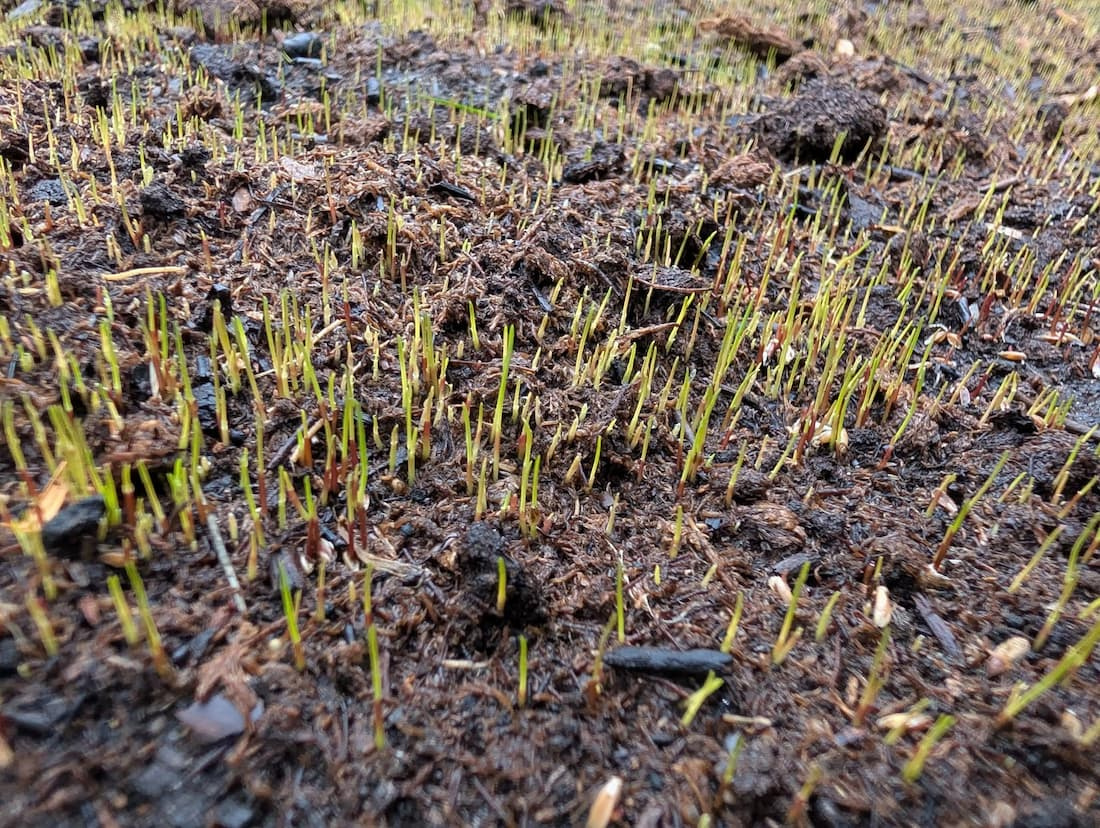
How to Establish a New Lawn From Bare Soil to First Mow
Bare soil doesn't turn into a lawn just because you scattered seed or rolled out sod — it becomes one based on a handful of specific steps done in the right order, matched to your specific grass. This guide walks through soil prep, seeding or planting method, starter fertilizer, watering as the grass grows, and knowing when it's actually safe to mow, for both cool-season and warm-season lawns.
Read Article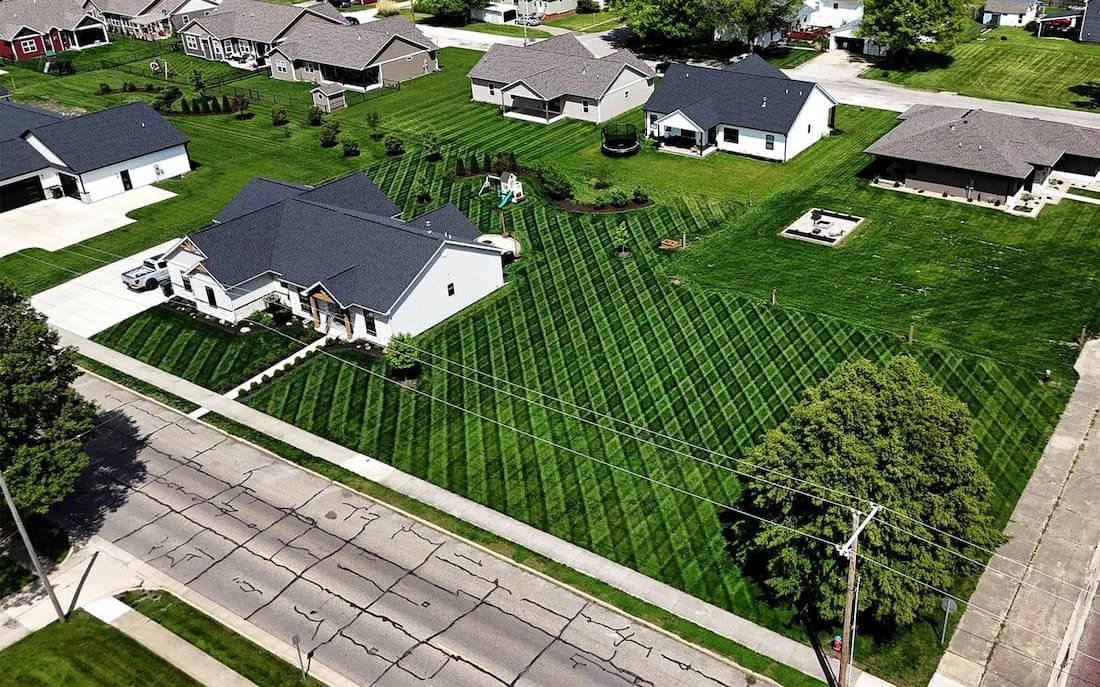
Cool Season vs Warm Season Lawn and Landscape Guide
Your lawn and your flower beds don't follow the same calendar — one runs on a cool-season engine, the other on a warm-season one, and using the wrong playbook on either can do real damage. This guide helps you figure out which system you actually have and how to care for it correctly, plus how the same cool/warm split applies to your ornamental beds.
Read Article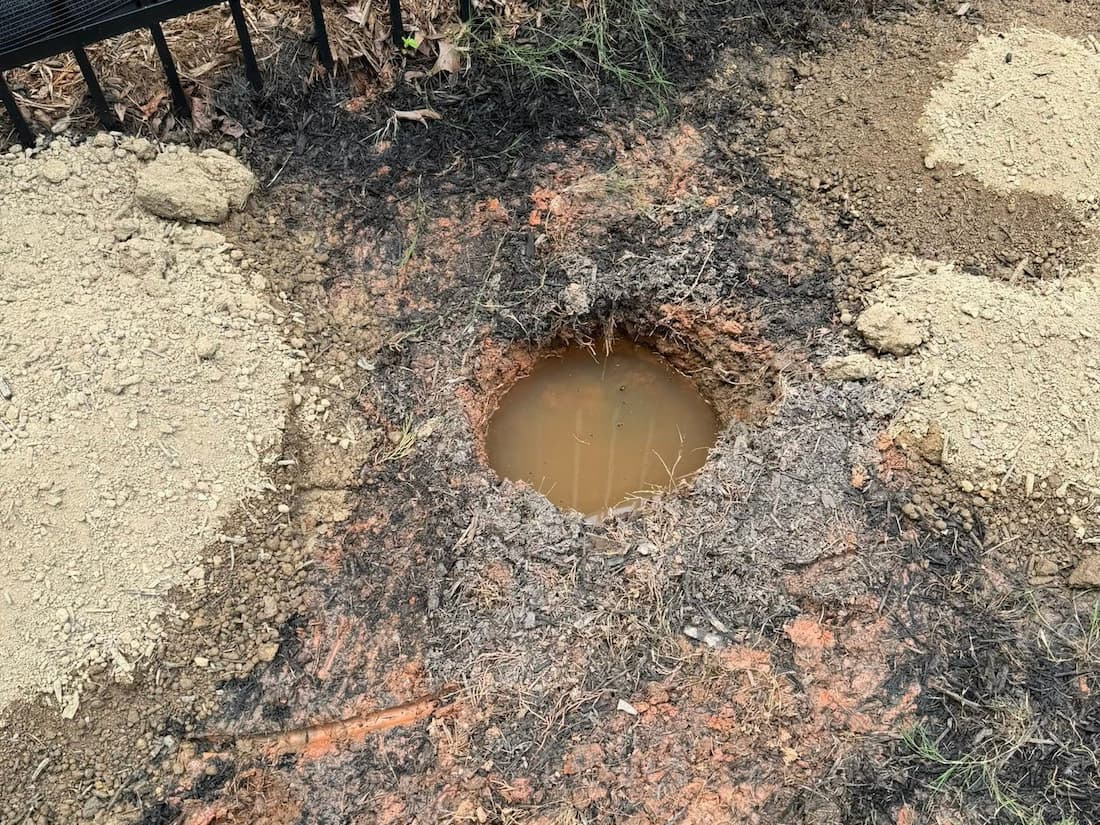
The Hole You Dug Is Killing Your New Plants
A shrub that looked fine all summer and stalled the next year usually didn't fail because of the plant, the weather, or the nursery. It failed because the hole it went into was a container — smooth-walled, water-holding, and impossible to root out of.
Read Article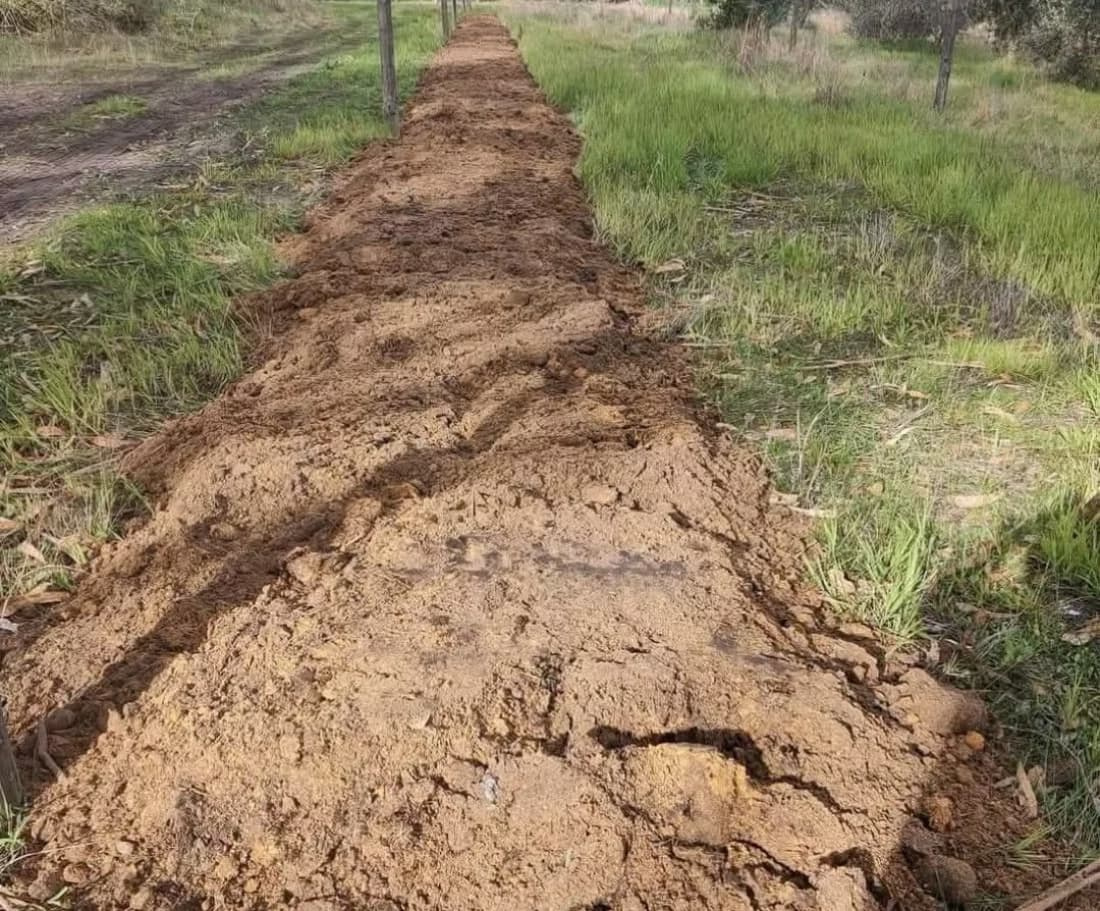
What You Can Actually Change About Bad Soil
Heavy clay and loose sand feel like permanent sentences, and half of that is true. What your soil is made of will not change. How those particles are arranged will — and that is the half that decides whether anything grows.
Read Article
Why Your Plants Survive Winter and Die in July
Your hardiness zone is built from one number — the coldest night of an average year. It says nothing about the hottest afternoon, which is what actually kills most plants people lose. Here's how to read the other half of the map.
Read Article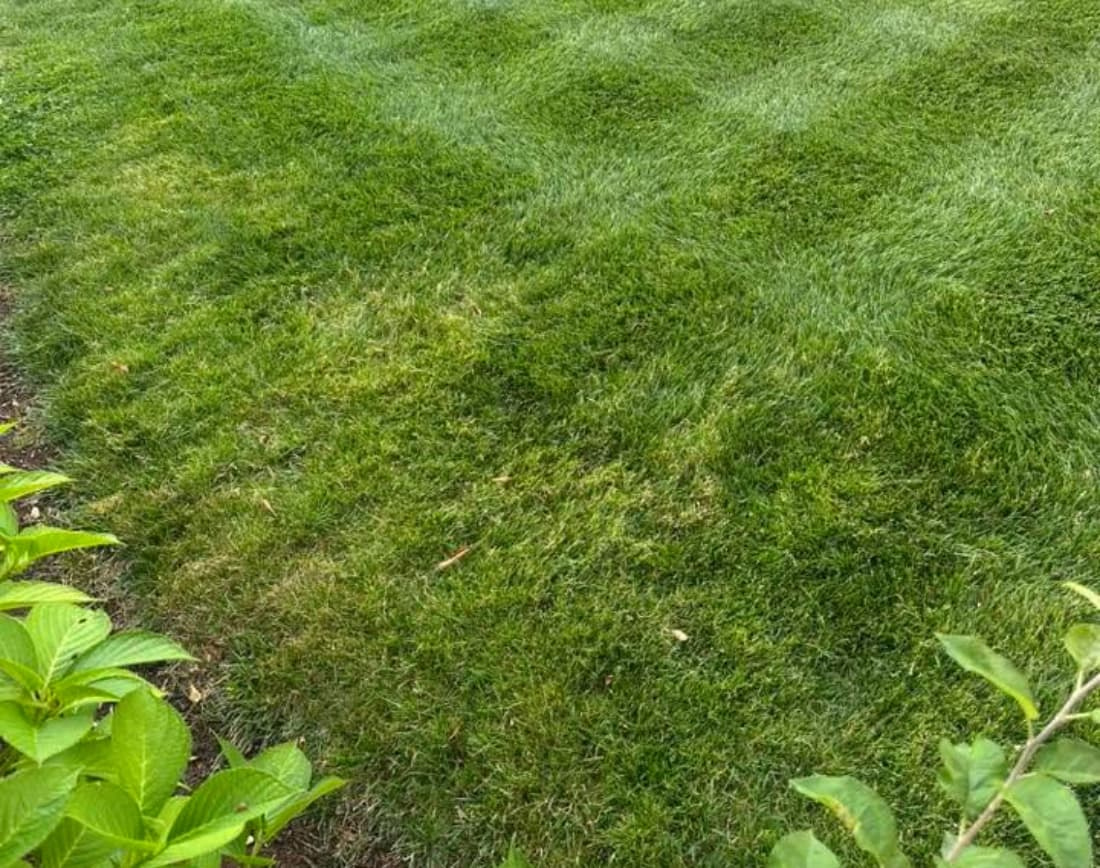
Why Poa Annua Keeps Coming Back — and the 3-Year Plan That Finally Ends the Cycle
You've pulled it. You've sprayed it. You've watched the little white seedheads mock you every single spring. And every fall, like clockwork, it's back — in the lawn, in the beds, in the cracks you didn't know you had. Here's the hard truth nobody at the big-box store will tell you: you're not losing because you're doing it wrong — you're losing because you're fighting the wrong enemy on the wrong timeline. Poa annua isn't a one-season problem, and once you understand why, the three-year plan below stops feeling like a chore and starts feeling like a countdown.
Read Article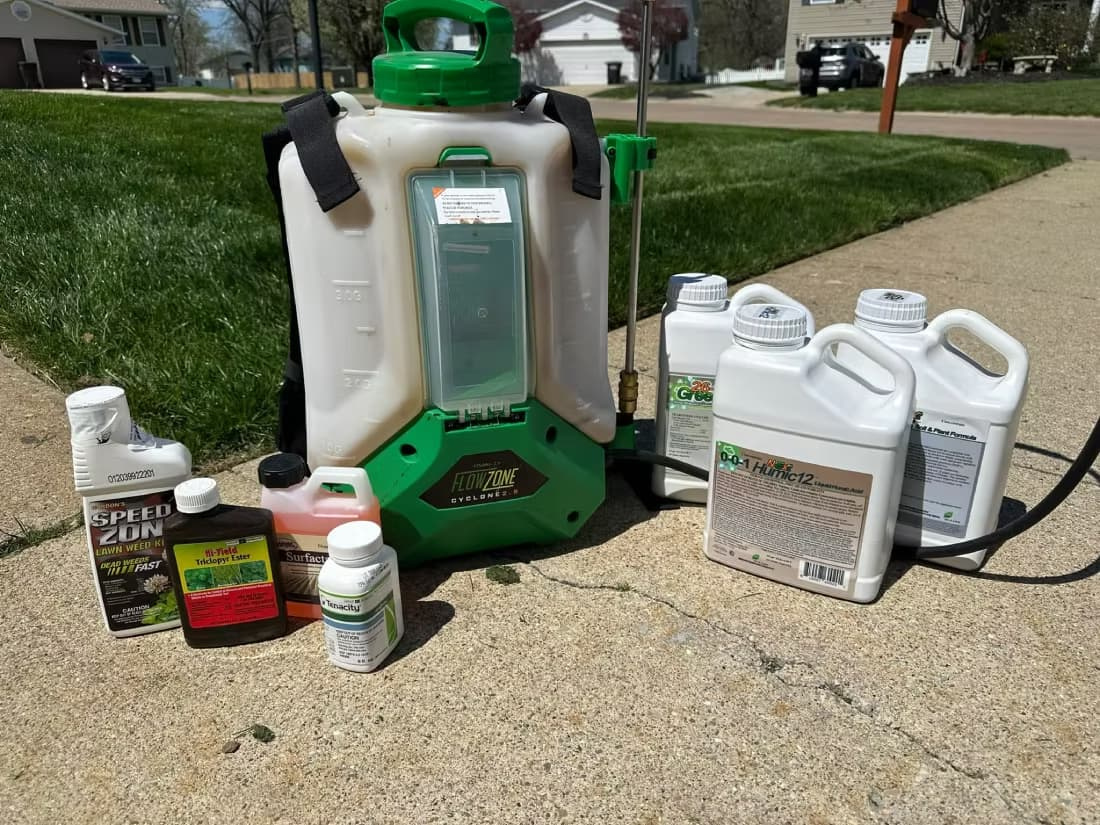
How to Apply Herbicides Correctly in Your Lawn and Garden Beds
Getting real results from a weed product has almost nothing to do with the brand on the bottle and everything to do with matching the method to the moment — the right chemistry, in the right place, at the right time. Learn how to apply herbicides correctly across both your lawn and your garden beds, whether you’re stopping weeds before they sprout or killing the ones already growing, without wasting product or harming the plants you want to keep.
Read Article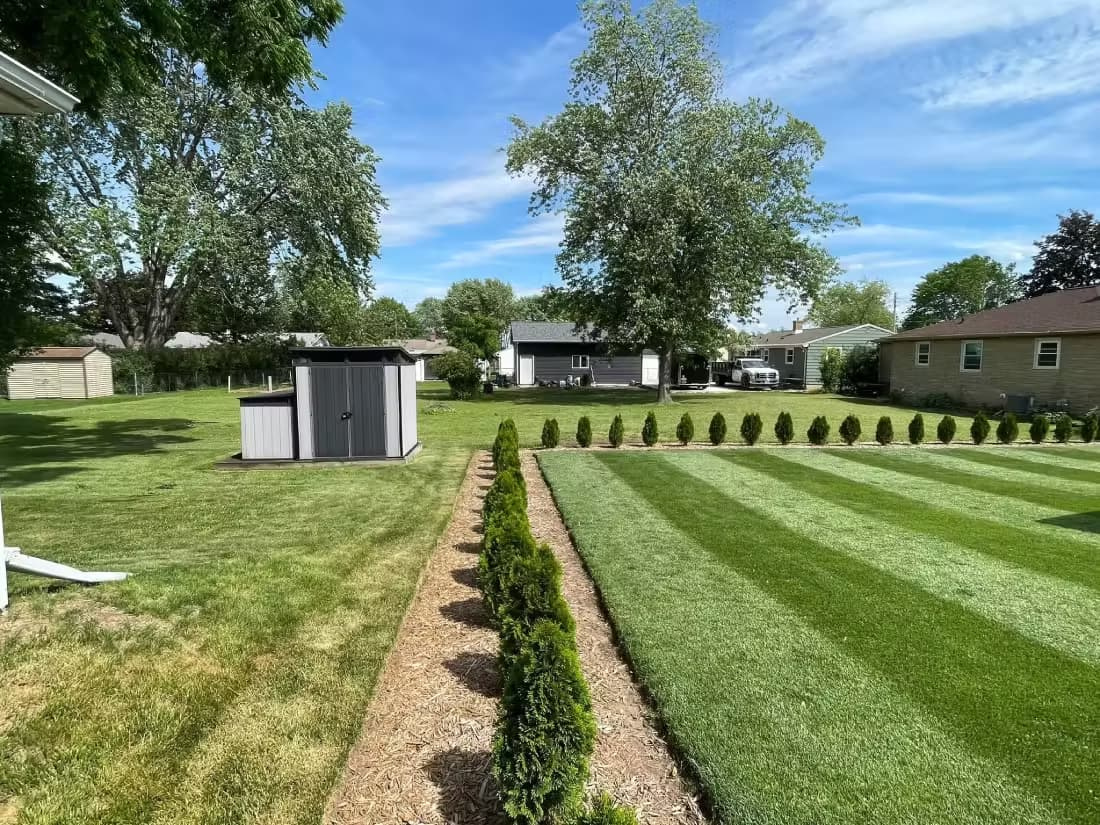
How to Kill Weeds Where Two Lawns Meet Without Harming Your Neighbor’s Grass
Controlling weeds along a shared property line is where good intentions quietly backfire—the season that's safe for your own lawn is often the season the lawn next door is most easily harmed. Learn the seasonal timing collision behind most fence-line damage, and the two habits that prevent it—reading what's actually in the bottle and spraying directed instead of broadcast—so you can clear the weeds without hurting your grass, your neighbor's, or the peace between you.
Read Article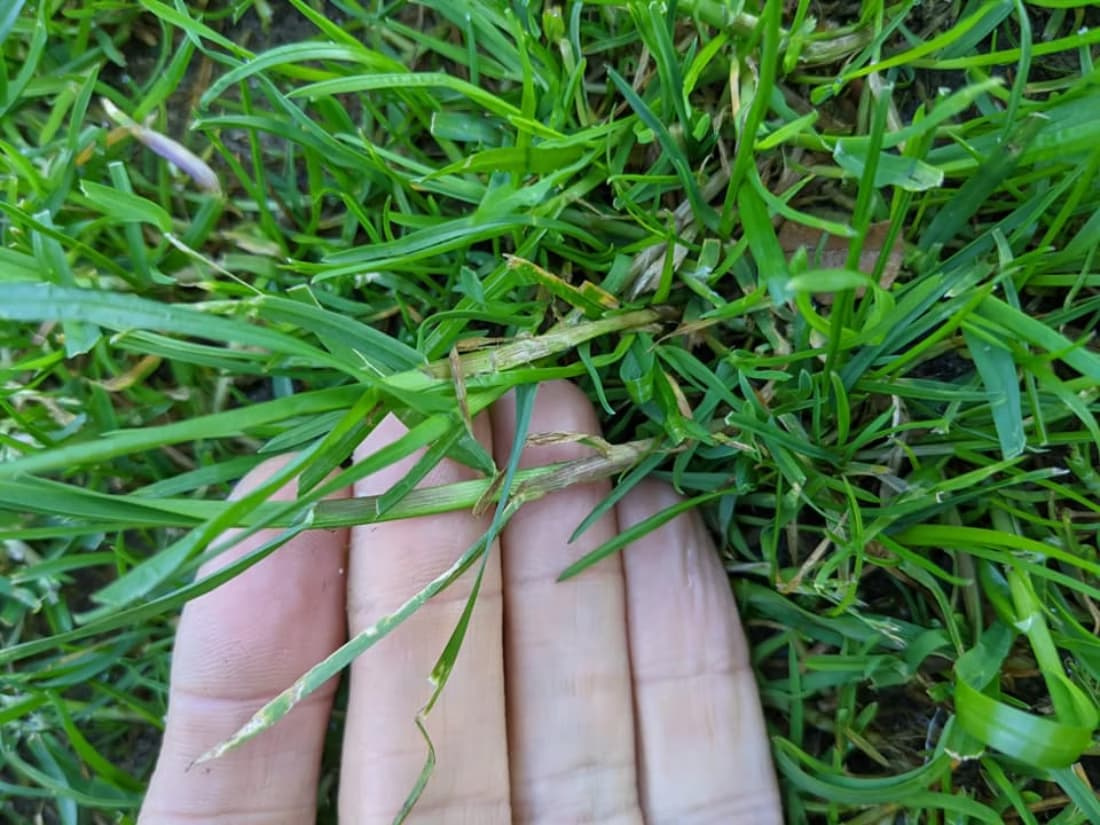
The Truth About One-and-Done Weed Control
Most homeowners lose the fight against weeds not because they work too little, but because they act before they understand. One-and-done weed control is real — but it only works when identification, timing, and the right tool all line up. This guide explains how that sequence works across your lawn and your ornamental beds, and how each weed page in the MFY hub puts it into practice for your specific invader.
Read Article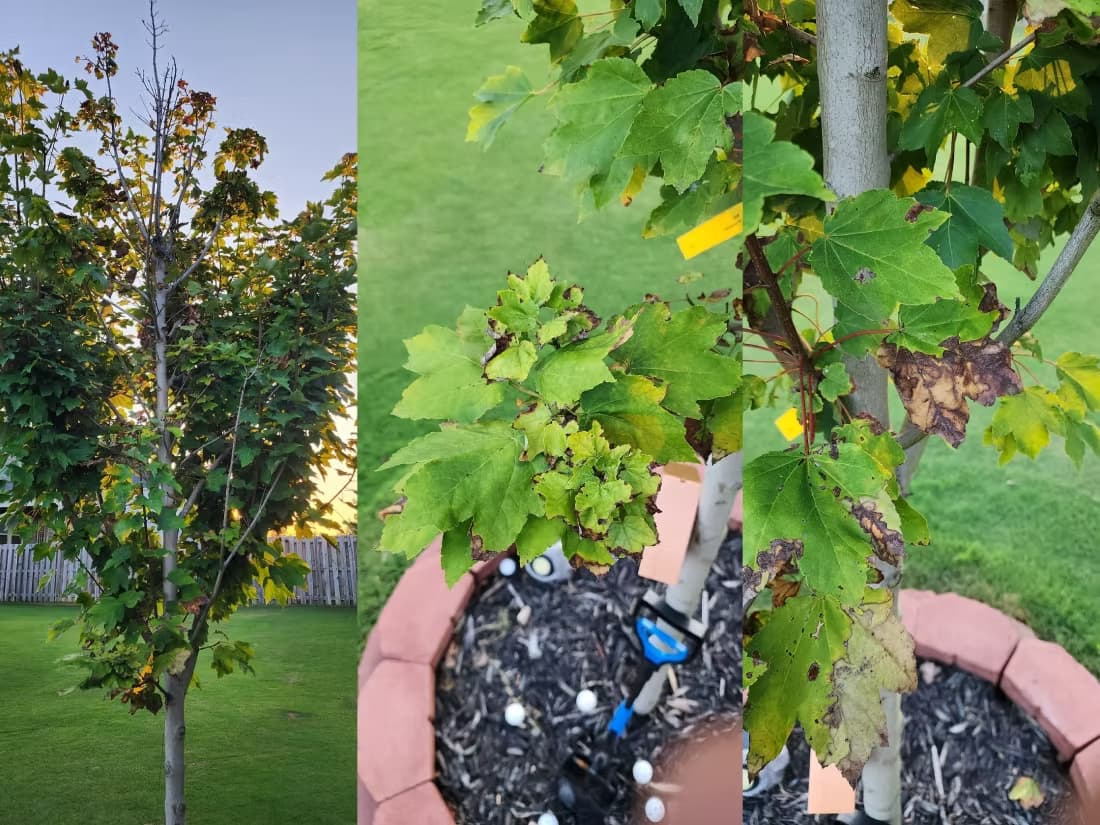
Solving the Mystery of the False Evidence in Your Lawn and Landscape
A brown leaf or a yellowing lawn is rarely what it seems. When symptoms act as decoys, a calm, forensic approach brings clarity to the confusion. Learn how to look past the surface to find the quiet truth of what your plants are truly asking for.
Read Article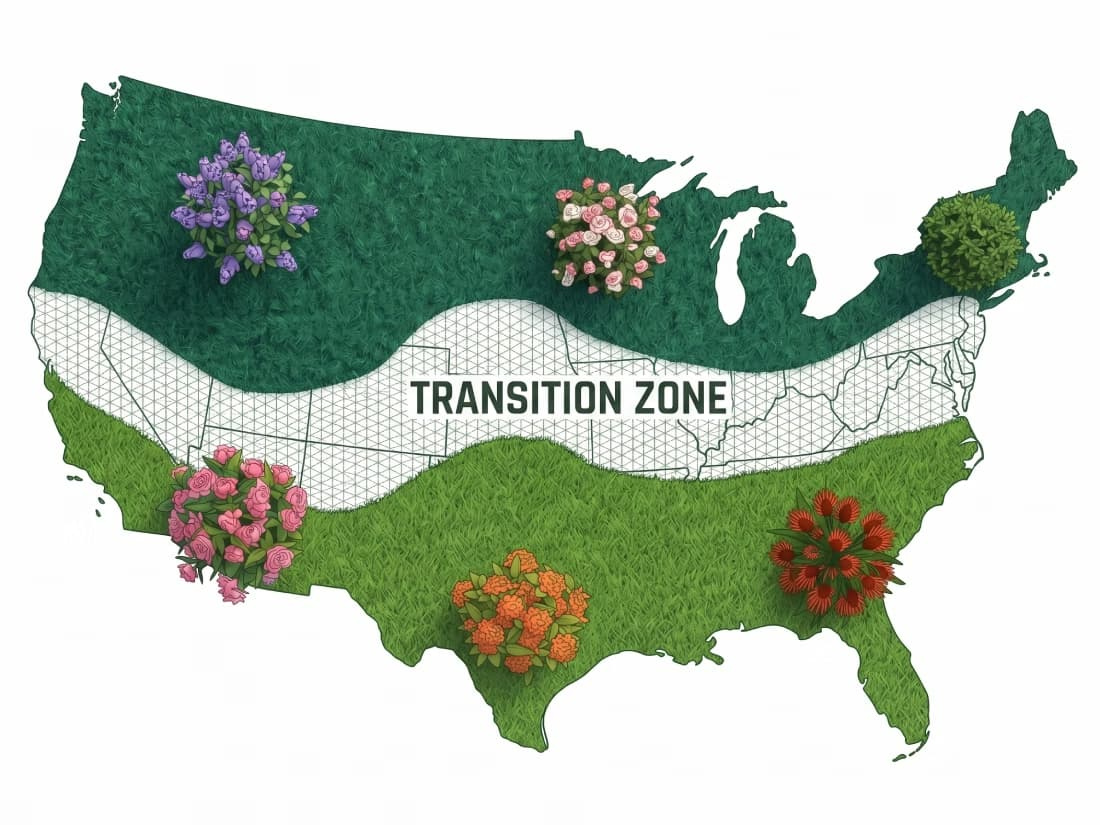
Living in the Middle: The Deep-Dive Guide to Transition Zone Lawns and Landscapes
The Transition Zone is a biological tug-of-war where neither northern nor southern species perfectly adapt. By using resilient "bridge" species and mastering maintenance levers like the Mowing Pivot, you can transform a struggling yard into a healthy landscape.
Read Article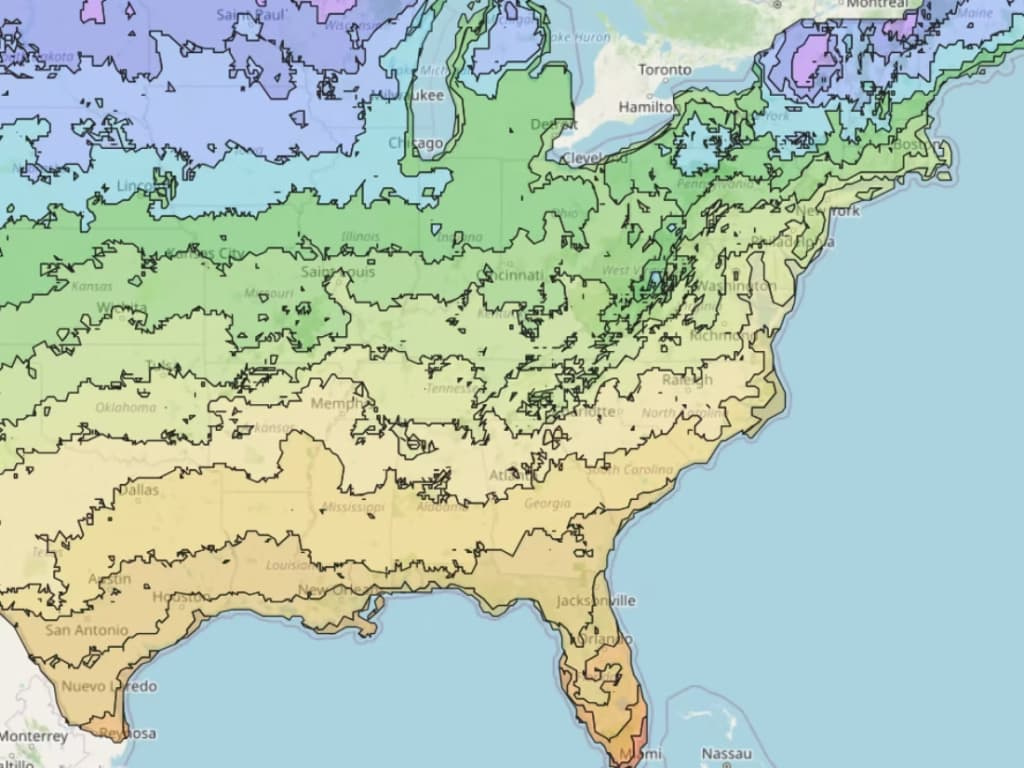
What Your Hardiness Zone Really Means for Your Lawn and Plants
Uncover the foundation of a resilient landscape by mastering the science of hardiness zones. Learn how these climate boundaries are calculated and why understanding your local temperature limits is the first step toward choosing plants that thrive year after year.
Read ArticleClimatic Transitions: Adjacent Hardiness Zones
Hardiness zones are not rigid boundaries but parts of a fluid climatic gradient. Exploring the data for a neighboring zone provides critical context for understanding how a slight shift in average minimum temperatures—even by a few degrees—can fundamentally alter your botanical survival windows and seasonal management strategy.
The Soil Profile Builder
Temperature dictates what grows, but soil texture determines how it thrives. Use our forensic tool to analyze your soil composition and integrate Hardiness Zone data with your unique subterranean conditions.
Build Soil ProfileFrequently Asked Questions
These are the questions extension services in this zone answer most often, and the misconceptions their diagnostic clinics correct most repeatedly.
Each answer explains the mechanism rather than just the fix. Once you know why something is happening, you can usually see it coming the following year — which is worth more than a treatment.
They need several weeks of soil temperatures between roughly 35°F and 45°F to break dormancy and trigger bud elongation. Zone 12 soil never gets close. Without that cold period the bulb or rootstock stays chemically dormant while sitting in warm, often damp soil, and it decomposes in place. Pre-chilled bulbs treated as annuals are the only version of this that works, and even then it is a one-season display.
Test first, then treat specifically. Hawaiian Oxisols carry high iron and aluminum oxide content that chemically binds free phosphorus, so a standard balanced fertilizer delivers phosphate the plant cannot access. Extension guidance points to targeted rock phosphate applications and incorporating organic compost to raise cation exchange capacity, which improves how well the soil holds nutrients generally.
Almost certainly wind exposure, and it changes over remarkably short distances here. Persistent trade winds tear broad tropical leaves mechanically and pull moisture out of foliage on windward faces. A ridge, a building, or a hedge between two properties can produce genuinely different growing conditions. Rainfall follows the same pattern — windward and leeward sides of the same island differ by 100 inches a year.
No, and running it through the wet season causes real damage. Between May and November, rainfall alone saturates the soil, and adding to it produces oxygen-starved conditions where fungal root rot and fairy ring thrive. Turn automated controllers off entirely during the wet months and back on for the dry season, when about 0.75 inches twice weekly keeps turf from desiccating.
Scientific Authority
Every figure on this page traces to one of three places: the 2023 USDA Plant Hardiness Zone Map, NOAA climate normals, or land-grant university extension research. Nothing comes from garden blogs or retail sites.
Seasonal timing is keyed to soil temperature and biological markers rather than calendar dates, because the calendar shifts by weeks from year to year and the soil does not. Where extension services disagree — and on the transition zone boundary they do — that disagreement is stated rather than smoothed over. The sources are listed here so you can check the work.
Primary Resources
- USDA Agricultural Research Service — 2023 Plant Hardiness Zone Map
- University of Hawai’i College of Tropical Agriculture and Human Resources
- University of Puerto Rico Mayagüez — Agricultural Extension Service
- University of Florida IFAS Extension — Tropical Turf and Landscape Publications
- PRISM Climate Group, Oregon State University — Plant Hardiness Zone Datasets