
Observations: Water beads on the surface and runs off
Hydrophobic (Water-Repellent)
Soil that repels water instead of absorbing it, leaving patches permanently dry
Hydrophobic (Water-Repellent) At-a-Glance
Diagnostic Threshold
Beads over 60 sec
Remediation Difficulty
Low
Recovery Timeline
Seasonal
How to Identify Hydrophobic (Water-Repellent)
Hydrophobic soil actively repels water. Waxy organic compounds left behind by decomposing roots, thatch, and fungal threads coat the individual soil particles, and once those coatings dry out they shed water rather than absorbing it.
The symptom people notice is a patch of lawn that stays brown no matter how long the sprinkler runs. Water beads on the surface, runs sideways, and the grass never greens up. Turf professionals call it localized dry spot.
The test takes a minute. Dig a core of the dry soil, place it flat, and put three drops of clean water on it. If the drops sit on the surface for more than 60 seconds without soaking in, the soil is moderately to strongly hydrophobic. Dig into a puddle on an affected patch and you will find dry, dusty soil immediately underneath, which is what separates this from waterlogging.
Forensic Signs
Evidence that points to repellency rather than simple drought:
- Water beading and rolling off rather than darkening the soil surface.
- Dry, dusty soil directly beneath standing water or a wet surface. This one is definitive.
- Sharply defined dry patches with healthy turf right up to the edge, rather than a gradual fade.
- Patches that stay dry after a long irrigation run while everything around them wets normally.
- Turf going blue-gray then straw brown in the same spots every summer.
- A thatch layer over half an inch thick, which is where much of the waxy residue originates.
- Most common in sandy soils, because coarse grains have little surface area and a small amount of wax coats them completely.
Where It Shows Up
Hydrophobicity is most common in coarse soils. Sand, Loamy Sand, and Sandy Loam have very little surface area per unit volume, so a small quantity of waxy organic residue is enough to coat every grain. The same amount of residue in a clay soil is spread thinly across an enormous surface area and has far less effect.
It shows up on south and west-facing slopes that dry hardest, in sandy lawns during extended dry spells, under mature trees where roots have been decomposing for years, and anywhere thatch has been allowed to build up.
Fire is the other trigger. Burning brush, yard waste, or a wood pile directly on soil vaporizes organic compounds that condense a short distance down and form a severely water-repellent layer. That layer can persist for years.
Why Precision Matters: Treating the Root Cause
Noticing that your grass looks "off" or that water is pooling is a great start, but in yard care, the symptoms of different conditions often look exactly the same. Guessing whether your soil is acidic or just low on nutrients often leads to wasted effort and money on treatments that don't work. To truly fix a problem, you need a precise diagnostic that moves beyond a simple hunch.
We’ve built a specialized tool to give you that clarity. It’s completely free (and always will be), requires no signup or email, and is designed so you can return to your results whenever you need to adjust your recovery plan.
The MFY Soil Profile Builder
Our tool helps you move from observing a symptom to identifying the actual condition. By guiding you through simple field tests and sensory checks—like checking your soil’s pH or physical resistance—the tool handles the interpretation for you, delivering a clear diagnostic profile. This ensures you aren't just treating the "look" of your yard, but are addressing the specific state of your soil so it can get back to supporting healthy growth.
Build Your ProfileThe Diagnostic & Recovery Roadmap
This is the one condition on the hub that is cheap to fix and easy to diagnose, which makes it worth ruling out first. A patch of brown lawn in summer looks the same whether the cause is repellency, compaction, disease, or grubs — but only repellency responds to a bottle of wetting agent and a fork. Three drops of water and sixty seconds will tell you whether you are in the right place before you spend anything.
Biological Impact
Roots in a repellent zone dry out and die back even when the lawn as a whole is being watered. Fine root hairs go first, then the larger roots, and the turf thins from the crown outward.
Beneficial rhizosphere bacteria and mycorrhizal fungi go dormant or die in the dry pockets, and drought-adapted pathogens such as Curvularia and Rhizoctonia colonize the stressed turf. The condition also protects itself: microbial decomposition slows in dry soil, so the waxy residues causing the problem survive longer than they otherwise would.
Chemical Blockade
Rather than blocking nutrients, hydrophobic soil redirects them. Water bypasses the repellent zones and races down through narrow channels instead — soil scientists call it preferential or finger flow.
That fast-moving water carries dissolved nitrate, potassium, and boron below the root zone without ever contacting the roots it passed. Meanwhile granular fertilizer sitting on a dry repellent surface never dissolves properly, so some is lost to the air as ammonia and the rest washes off in the next storm.
Immediate Stabilization
This works within days, which is unusual on this hub.
- Break the surface film with a hand aerator or garden fork, making holes 1 to 2 inches deep about an inch apart across the dry patch.
- Apply a non-ionic soil wetting agent at label rate, typically 4 to 8 fl oz per 1,000 sq ft, through a hose-end sprayer.
- Water it in thoroughly by hand so the surfactant reaches the upper root zone rather than sitting on top.
- Syringe the patch with light watering several times a day until it absorbs water evenly again.
- Use only products formulated for turf. Kitchen dish soap contains degreasers and sodium salts that strip leaf cuticles and harm soil life.
Structural Remediation
Wetting agents buy time. Organic matter is what actually changes the soil, because humic substances mask the waxy coatings and hold moisture above the level where repellency re-forms.
- Soil wetting agents — non-ionic block-copolymer surfactants that lower water’s surface tension so it can wet coated grains. Roughly $15 to $45 per 1,000 sq ft, and they last 30 to 90 days before microbes break them down.
- Core aeration plus compost — pull plugs, then work a quarter inch of mature compost into the holes. About $30 to $60 per 1,000 sq ft plus aerator rental, and it takes one to two seasons to stabilize.
- Dethatch if thatch exceeds half an inch, since that layer is where much of the waxy residue is generated.
- It does not resolve on its own. Winter rain can temporarily rehydrate the waxes, but repellency returns as soon as the soil dries below its critical moisture level. Soil can stay non-wettable for years.
Prevention Rhythm
Repellency is triggered by drying past a threshold. Staying above it is the whole strategy.
- Keep soil moisture above the critical level during dry spells with light regular irrigation, rather than letting it dry out and then soaking it.
- Apply a preventive wetting agent in late spring, before dry spots appear rather than after.
- Dethatch whenever thatch passes half an inch.
- Topdress with compost annually. Organic matter is the long-term defense.
- Never burn brush, yard waste, or wood piles directly on soil you intend to plant.
The Strengths & Challenges of Hydrophobic (Water-Repellent)
The Bright Side:
Dry surface layers suppress weed seed germination during light rain, since seeds need sustained surface moisture.
Water-repellent coatings protect soil aggregates from breaking apart during sudden heavy downpours.
Slower microbial turnover in dry zones preserves soil organic carbon rather than burning it off.
Genuinely cheap and quick to correct compared with every other physical soil problem on this hub.
The Main Hurdles:
Creates sharply defined dead patches that stay brown no matter how long you run the sprinkler.
Sends irrigation running off the surface instead of into the soil, wasting both water and money.
Channels dissolved fertilizer straight past the root zone through narrow preferential flow paths.
Makes irrigation scheduling nearly impossible, because parts of the lawn need water while others are already wet.
Condition Compatibility & Relationships
Plants That Love This Condition
Plants that cope with repellent soil either root below the affected layer or need so little water that patchy moisture does not matter. Repellency is usually a surface phenomenon, so depth is the main escape route.
Shrubs and subshrubs
- Lavender — deep-rooted, drought-hardy, and thoroughly at home in dry sandy conditions.
- Rosemary — same profile, with roots that push well below a surface repellent zone.
- Juniper — completely indifferent to patchy surface moisture, evergreen, and tough.
Perennials and groundcovers
- Sedum — stores its own water in leaf tissue and needs almost nothing from the soil.
- Yarrow — deep fibrous roots and genuine drought tolerance, with the bonus that it spreads to cover bare ground.
- Creeping Thyme — a low groundcover that handles dry sandy surfaces and softens hard edges.
- Little Bluestem and other native bunch grasses — root far deeper than the repellent layer and hold soil in place.
Grasses That Love This Condition
The grasses that shrug off repellency are the ones with rhizomes or stolons deep enough to draw water from below the affected surface layer. Shallow-rooted grasses are trapped in exactly the zone that stays dry.
- Bermudagrass — deep rhizomes reach moisture well beneath a repellent surface, and its aggressive spread lets it recolonize a patch as soon as conditions improve. The strongest choice on sandy soil prone to dry spot.
- Zoysiagrass — similar rooting depth with a denser canopy that shades the surface and slows the drying that triggers repellency in the first place.
- Bahiagrass — deeply rooted and adapted to infertile sandy soils across the Southeast, which is exactly where this condition is most common.
Any of these still benefit from a preventive wetting agent in late spring on a sandy lawn. Tolerance means the grass survives the patches, not that the patches stop forming.
Plants That Struggle In This Condition
The plants that suffer most have shallow fine roots sitting in the exact layer that dries out and stays dry. They wilt while the irrigation runs, which is what makes the condition so confusing to diagnose.
- Bigleaf Hydrangea — huge leaf area, high water demand, and shallow roots. It wilts daily in a repellent patch even with the sprinkler on.
- Astilbe and other moisture-loving perennials — shallow rooted with no drought adaptation, and they brown out and go dormant early.
- Ferns — need continuously moist soil and cannot cope with the uneven wetting that finger flow produces.
- Newly planted anything — a young root ball sits entirely in the surface layer, so establishment failures on sandy soil are often repellency rather than neglect.
Treat the soil before replanting. Putting a new plant into a repellent patch usually just repeats the loss.
Grasses That Struggle In This Condition
Shallow-rooted, fine-textured grasses are confined to the surface layer, which is precisely the zone that goes water-repellent.
- Fine Fescues — shallow, fine root systems that cannot reach past the repellent layer. Ironically they are often chosen for dry sandy sites, which is where hydrophobicity is most likely.
- Creeping Bentgrass — the classic localized dry spot host in turf management, with very shallow roots and high moisture demand. Not a home lawn grass in any case.
- Annual Bluegrass — usually arrives as a weed rather than a choice, and it is the first thing to brown out in a dry spot.
On a sandy lawn prone to this, a deep-rooted grass plus an annual compost topdressing does more than any product. The grass reaches past the problem and the organic matter slowly removes it.
Deep Dives & Practical Guides
How to Establish a New Lawn From Bare Soil to First Mow
Bare soil doesn't turn into a lawn just because you scattered seed or rolled out sod — it becomes one based on a handful of specific steps done in the right order, matched to your specific grass. This guide walks through soil prep, seeding or planting method, starter fertilizer, watering as the grass grows, and knowing when it's actually safe to mow, for both cool-season and warm-season lawns.
Read Article
Cool Season vs Warm Season Lawn and Landscape Guide
Your lawn and your flower beds don't follow the same calendar — one runs on a cool-season engine, the other on a warm-season one, and using the wrong playbook on either can do real damage. This guide helps you figure out which system you actually have and how to care for it correctly, plus how the same cool/warm split applies to your ornamental beds.
Read Article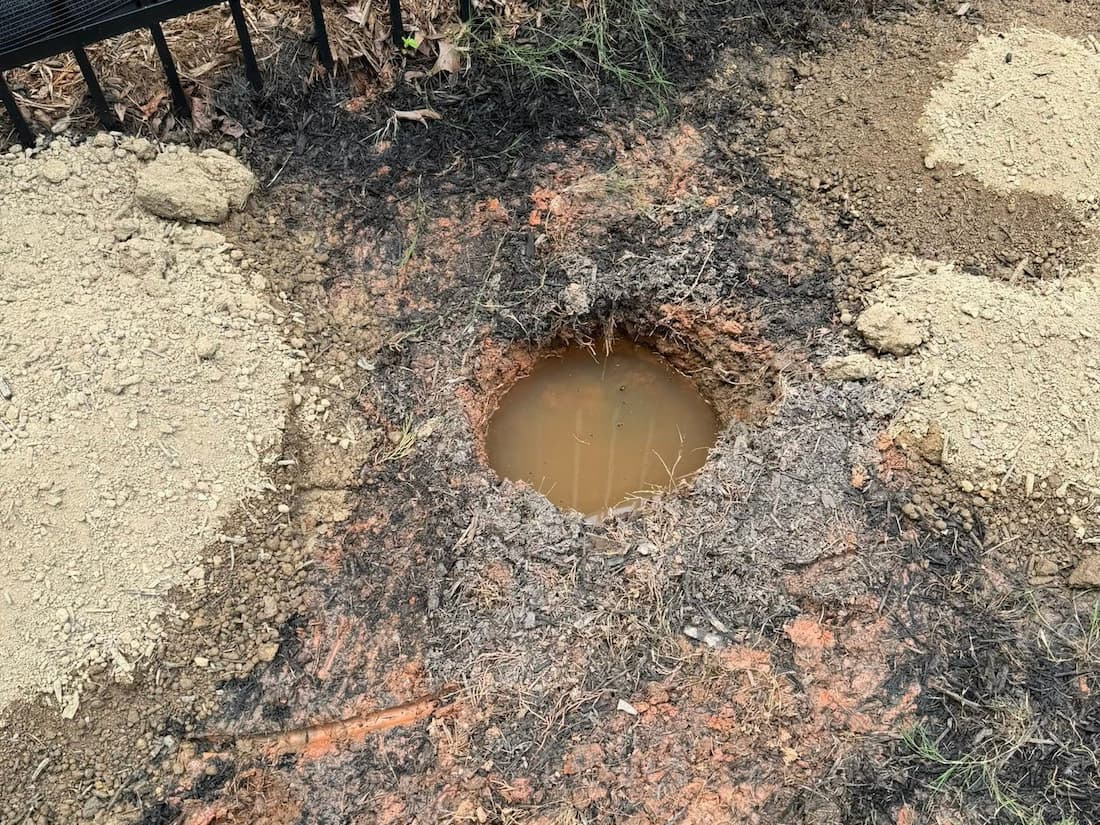
The Hole You Dug Is Killing Your New Plants
A shrub that looked fine all summer and stalled the next year usually didn't fail because of the plant, the weather, or the nursery. It failed because the hole it went into was a container — smooth-walled, water-holding, and impossible to root out of.
Read Article
What You Can Actually Change About Bad Soil
Heavy clay and loose sand feel like permanent sentences, and half of that is true. What your soil is made of will not change. How those particles are arranged will — and that is the half that decides whether anything grows.
Read Article
Why Your Plants Survive Winter and Die in July
Your hardiness zone is built from one number — the coldest night of an average year. It says nothing about the hottest afternoon, which is what actually kills most plants people lose. Here's how to read the other half of the map.
Read Article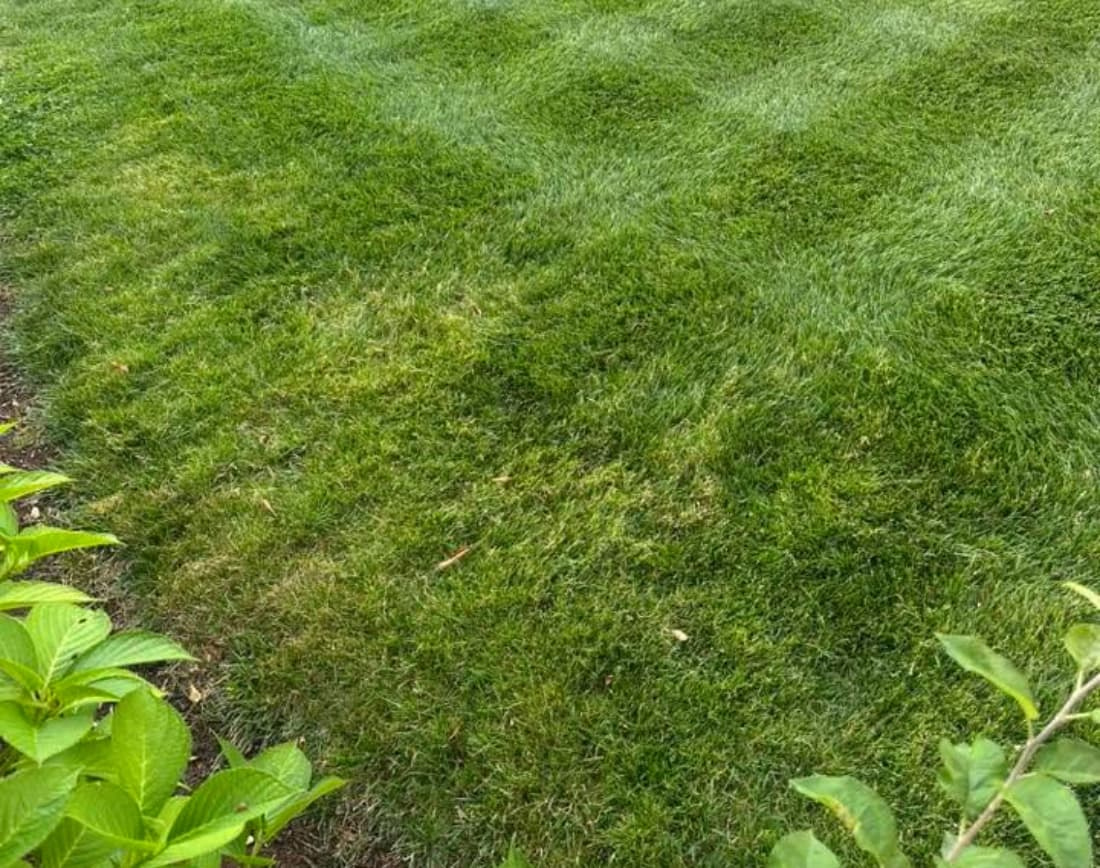
Why Poa Annua Keeps Coming Back — and the 3-Year Plan That Finally Ends the Cycle
You've pulled it. You've sprayed it. You've watched the little white seedheads mock you every single spring. And every fall, like clockwork, it's back — in the lawn, in the beds, in the cracks you didn't know you had. Here's the hard truth nobody at the big-box store will tell you: you're not losing because you're doing it wrong — you're losing because you're fighting the wrong enemy on the wrong timeline. Poa annua isn't a one-season problem, and once you understand why, the three-year plan below stops feeling like a chore and starts feeling like a countdown.
Read Article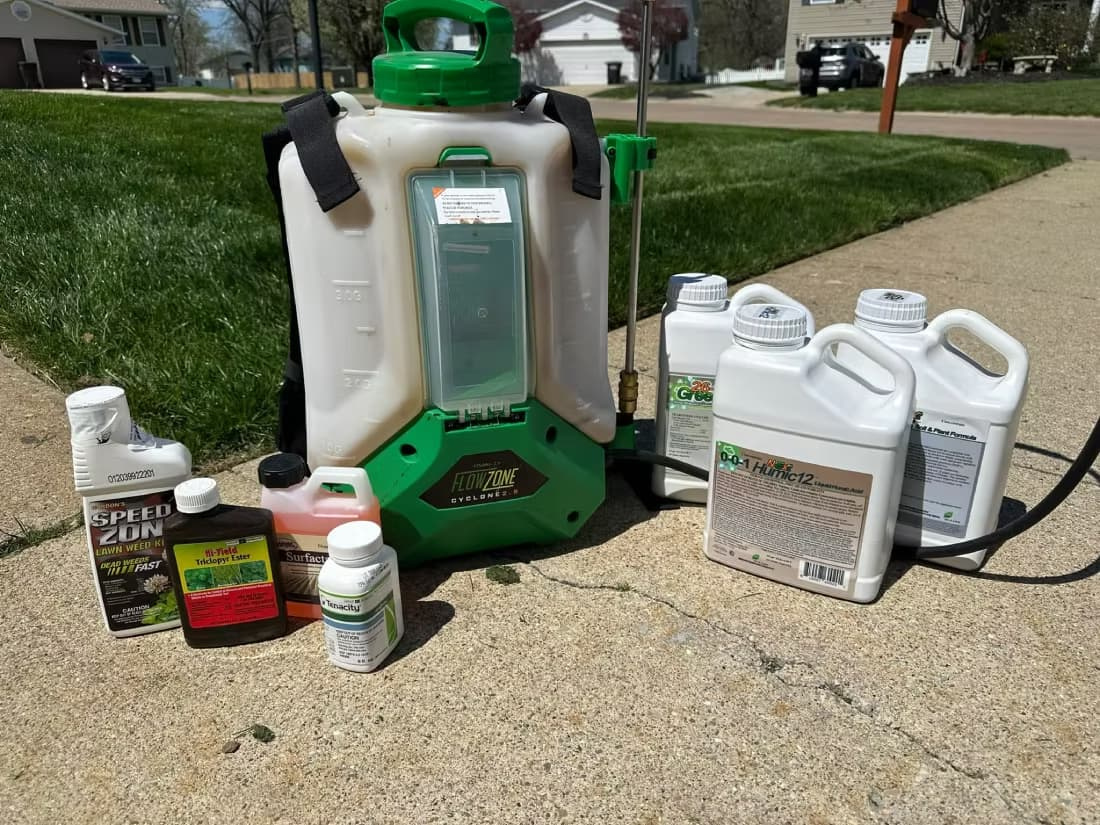
How to Apply Herbicides Correctly in Your Lawn and Garden Beds
Getting real results from a weed product has almost nothing to do with the brand on the bottle and everything to do with matching the method to the moment — the right chemistry, in the right place, at the right time. Learn how to apply herbicides correctly across both your lawn and your garden beds, whether you’re stopping weeds before they sprout or killing the ones already growing, without wasting product or harming the plants you want to keep.
Read Article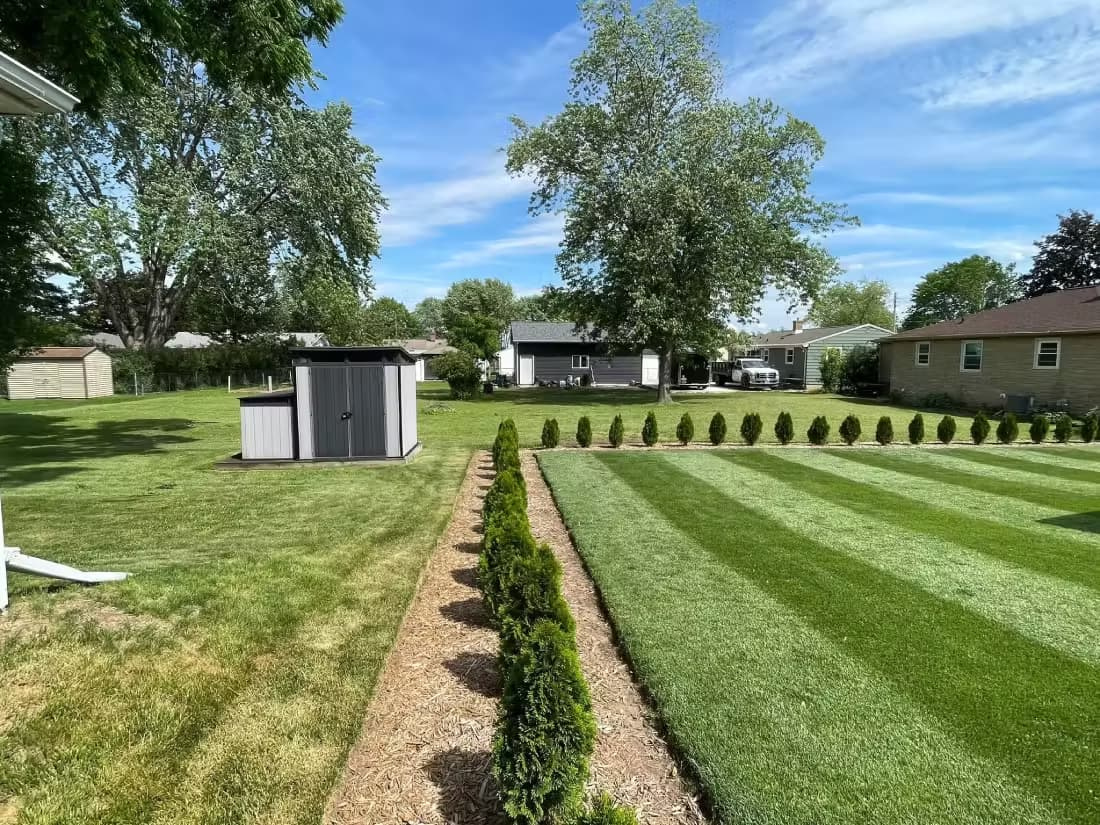
How to Kill Weeds Where Two Lawns Meet Without Harming Your Neighbor’s Grass
Controlling weeds along a shared property line is where good intentions quietly backfire—the season that's safe for your own lawn is often the season the lawn next door is most easily harmed. Learn the seasonal timing collision behind most fence-line damage, and the two habits that prevent it—reading what's actually in the bottle and spraying directed instead of broadcast—so you can clear the weeds without hurting your grass, your neighbor's, or the peace between you.
Read Article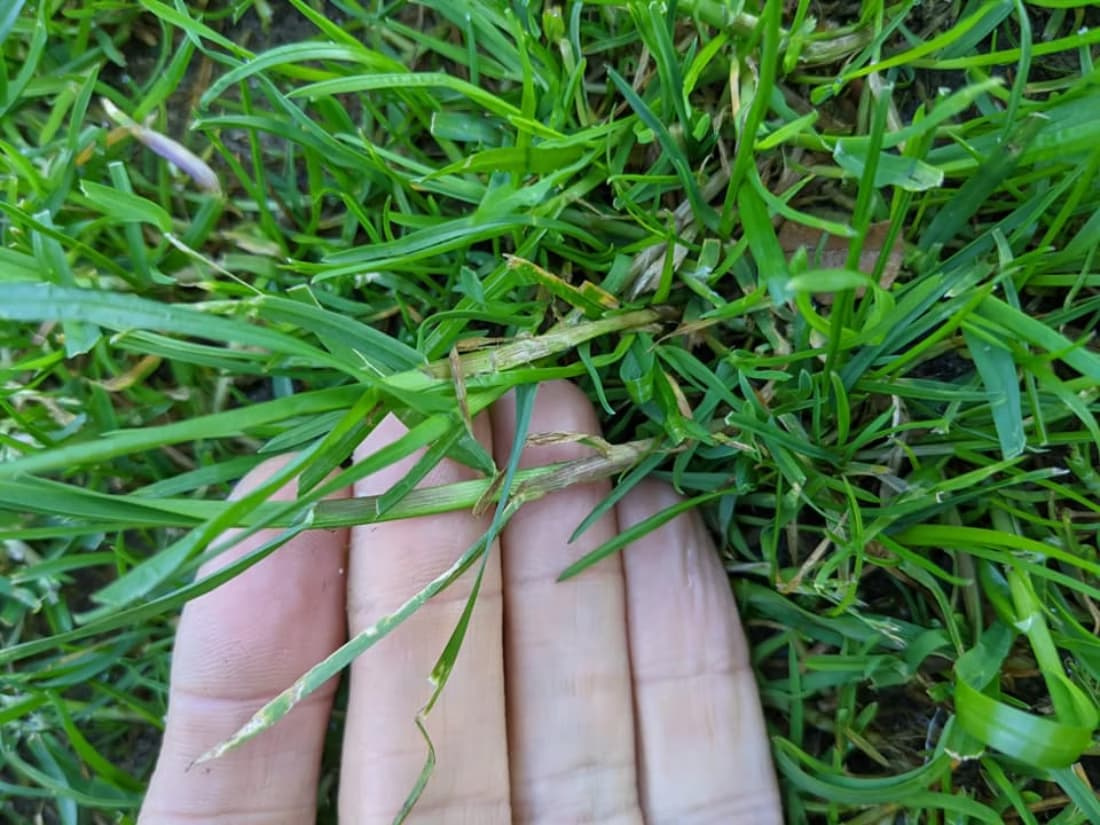
The Truth About One-and-Done Weed Control
Most homeowners lose the fight against weeds not because they work too little, but because they act before they understand. One-and-done weed control is real — but it only works when identification, timing, and the right tool all line up. This guide explains how that sequence works across your lawn and your ornamental beds, and how each weed page in the MFY hub puts it into practice for your specific invader.
Read Article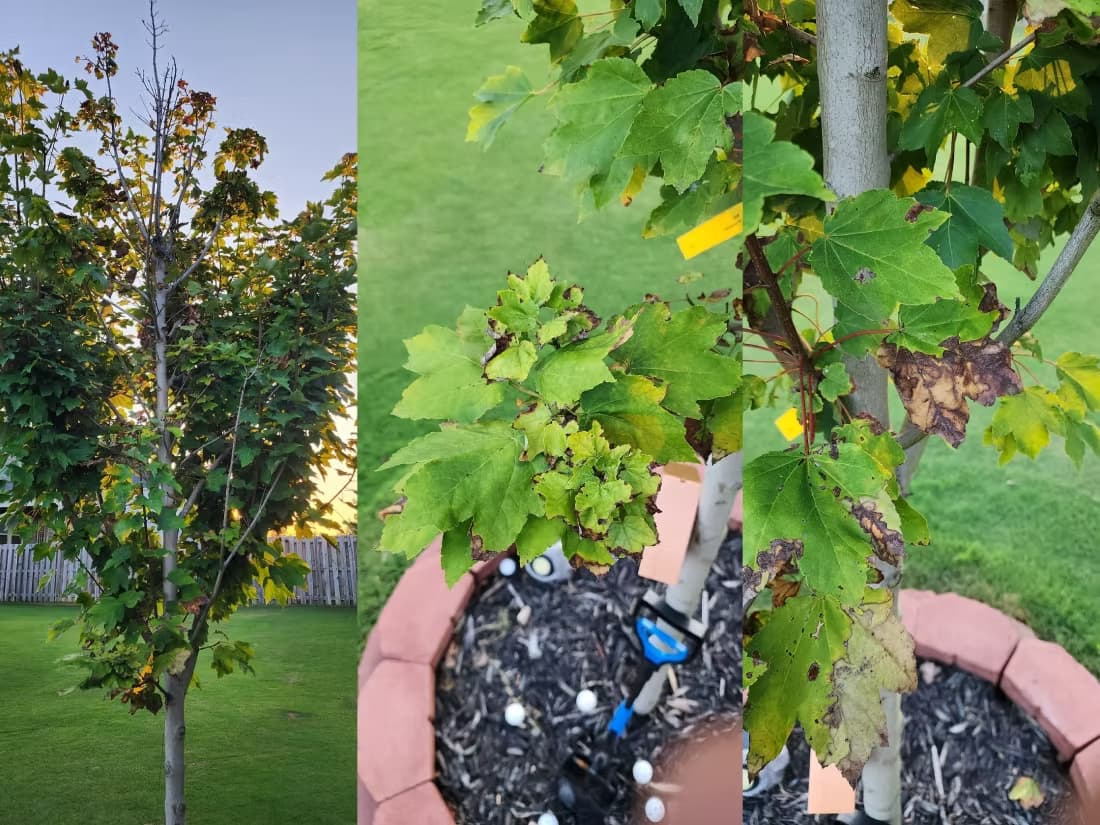
Solving the Mystery of the False Evidence in Your Lawn and Landscape
A brown leaf or a yellowing lawn is rarely what it seems. When symptoms act as decoys, a calm, forensic approach brings clarity to the confusion. Learn how to look past the surface to find the quiet truth of what your plants are truly asking for.
Read Article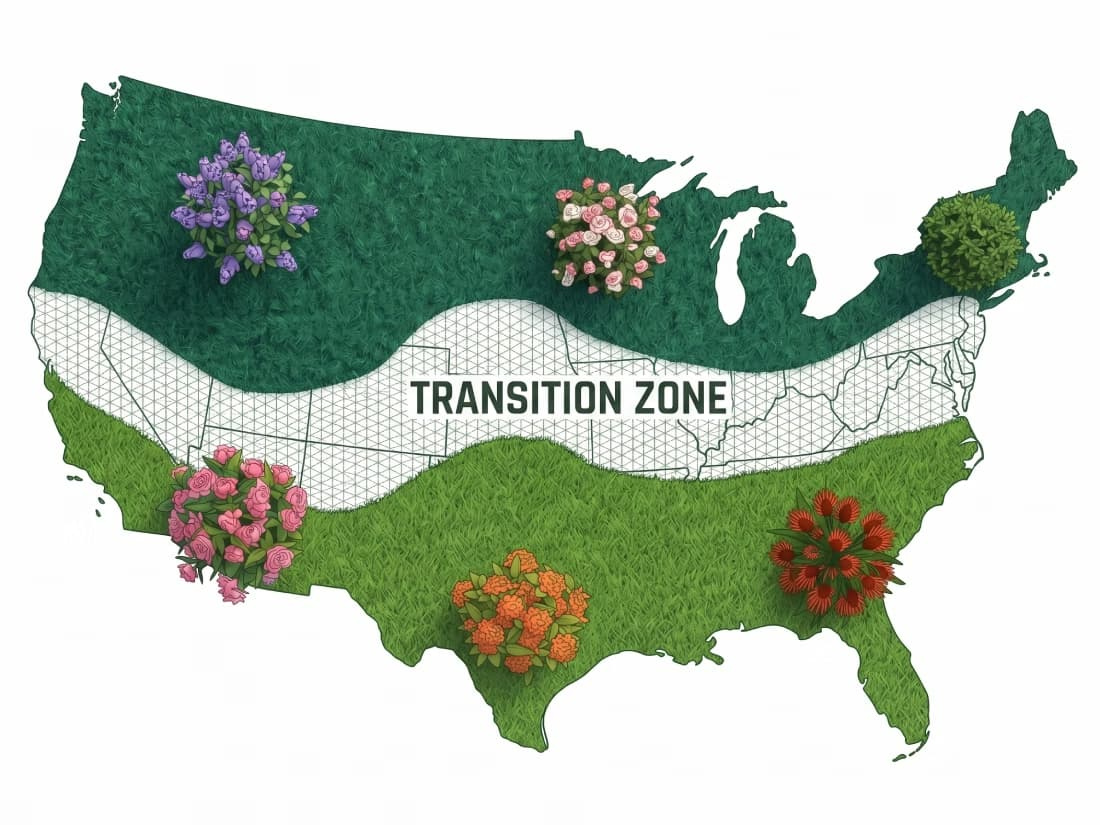
Living in the Middle: The Deep-Dive Guide to Transition Zone Lawns and Landscapes
The Transition Zone is a biological tug-of-war where neither northern nor southern species perfectly adapt. By using resilient "bridge" species and mastering maintenance levers like the Mowing Pivot, you can transform a struggling yard into a healthy landscape.
Read Article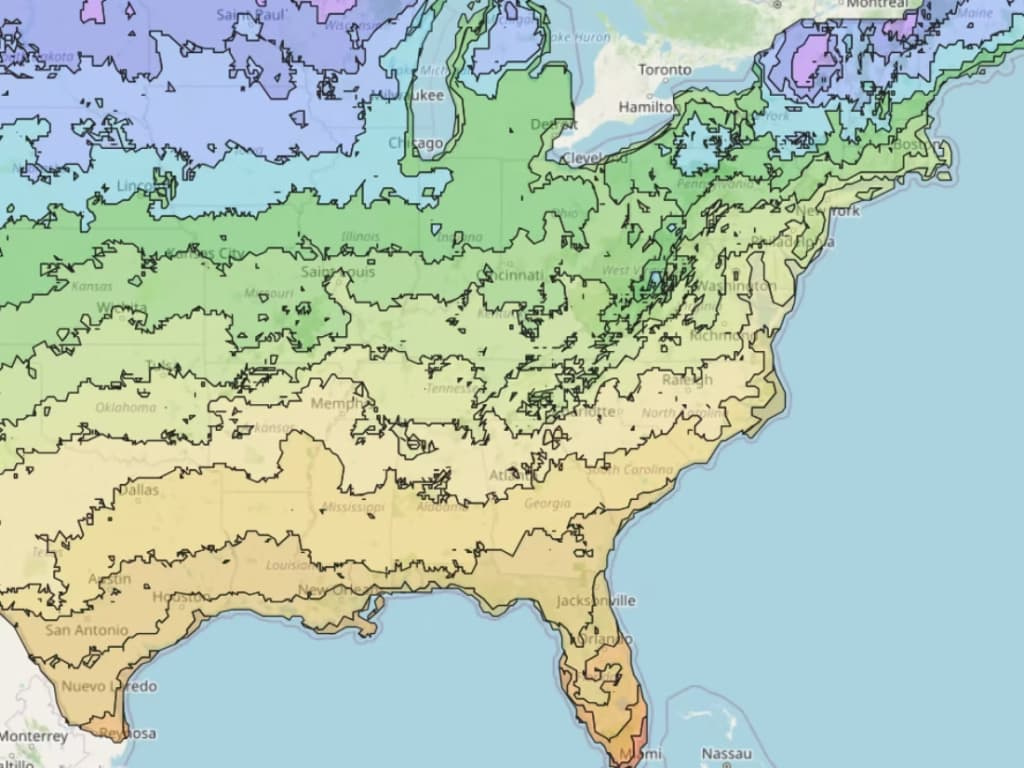
What Your Hardiness Zone Really Means for Your Lawn and Plants
Uncover the foundation of a resilient landscape by mastering the science of hardiness zones. Learn how these climate boundaries are calculated and why understanding your local temperature limits is the first step toward choosing plants that thrive year after year.
Read ArticleFrequently Asked Questions
These FAQs replace forum guesswork with research-backed data from leading agricultural institutions. We provide proven facts to ensure your yard care is grounded in the science of how your soil actually works.
Because of surface area. Coarse sand grains have very little surface area for their volume compared with silt or clay, so it takes only a tiny amount of waxy organic residue from decomposing roots and fungi to coat them completely. The same amount of residue in a clay soil gets spread across an enormous surface and has almost no effect. Fast drainage and water repellency are not opposites — sandy soil is prone to both, for the same underlying reason.
The water droplet test, and it costs nothing. Dig a core of dry soil from the affected patch, set it on a flat surface, and place three drops of clean water on it. Watch the clock. If the drops sit on the surface for more than 60 seconds without soaking in, the soil is moderately to strongly water-repellent. Normal soil absorbs them within a few seconds. Do this before spending money on anything, because it rules the condition in or out immediately.
No. Soil surfactants are organic compounds that soil microbes break down within 30 to 90 days, so they need reapplying through the warm season. Think of them as treatment rather than cure — they get water into the soil now, which keeps the grass alive while you work on the actual fix. That fix is organic matter: annual compost topdressing after core aeration, which masks the waxy coatings and holds soil moisture above the level where repellency returns.
No. Kitchen dish soaps are formulated to cut grease and contain sodium salts and ionic surfactants, none of which are designed to go near plants. They strip the waxy cuticle off grass blades, burn roots, and harm soil microorganisms. The short-term wetting you get is not worth the damage. Use a non-ionic soil surfactant sold for turf and ornamental use — they are widely available and inexpensive at roughly $15 to $45 per 1,000 square feet.
Only temporarily. A soaking rain can force water down through preferential flow channels and gradually rehydrate the waxy layers, so the patch may green up for a while. But as soon as the soil dries back below its critical moisture level, the waxy coatings realign and the repellency returns. Soil can stay non-wettable for months or years through repeated dry cycles. Waiting it out is not a strategy, though keeping the soil from drying out that far is.
Dig into one. Hydrophobic soil is bone dry and dusty immediately beneath the surface, even right after watering, and the water droplet test confirms it. Grub damage lifts like a loose carpet because the roots have been chewed through, and you will find the grubs. Fungal disease usually shows patterns on individual leaf blades — lesions, spots, or distinctive edges — and often appears in humid weather rather than dry. Check for repellency first, since it is the cheapest to rule out.
Scientific Authority
This profile is built on soil science and real-world field trials. Every tip—from watering to feeding—is backed by university research to ensure your soil’s 'hardware' stays healthy and sustainable for the long term.
Primary Resources
- USDA-NRCS — Soil Survey Manual, Chapter 3: Examination and Description of Soil Profiles
- USDA-NRCS — Soil Health Guide: Soil Bulk Density, Moisture, and Aeration
- Penn State Extension — Localized Dry Spot and Soil Water Repellency in Turf
- University of California Agriculture and Natural Resources — Water Repellent Soils
- Oregon State University Extension — Soil Water Repellency After Fire
- Purdue University Extension — Turfgrass Water Management
- NC State Extension — Soils and Plant Nutrients, Extension Gardener Handbook
- Colorado State University Extension — Soils, Fertilizers, and Soil Amendments (Colorado Master Gardener)
- USDA-NRCS — Soil Health Guide: Soil Organic Matter