
Scientific Name: Paspalum vaginatum Sw. (also cited as P. vaginatum Swartz).
Common Names: Seashore paspalum; saltwater couch; sand knotgrass; siltgrass; biscuit grass; seashore crown grass; salt jointgrass. In the turf trade it is usually just called paspalum.
Seashore Paspalum
The only common lawn grass that treats salt water as an asset instead of a threat.
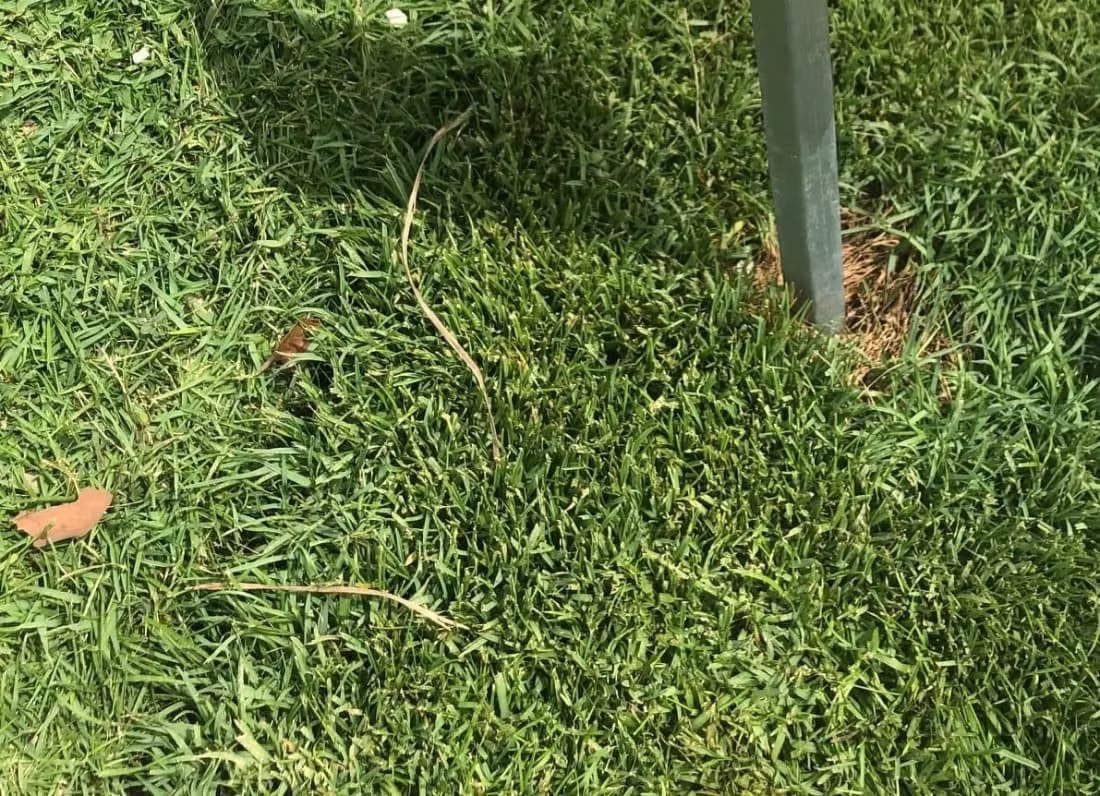
Seashore Paspalum At-a-Glance
Hardiness Zone Min
Zone 9
Water Requirement
Moderate
Sun Requirement
Full Sun to Light Shade
Wear Tolerance
High
Establishment Speed
Fast
Labor Intensity
High
From Salt Marsh Forage To Turfgrass
Seashore paspalum did not start out as a lawn. It is a wild coastal grass, native to the brackish marshes and sandy shores of the Americas — North Carolina down through Florida, west to Texas, and south as far as Argentina — and it has been growing around the warm coasts of the Old World for so long that botanists still argue about where it first came from. Ranchers used it long before golfers did. Cattle and horses graze it from spring through fall, wild geese feed on it, and agencies still plant it to hold shorelines together and to reclaim damaged ground.
What turned a marsh grass into a turfgrass was water. Golf courses on coastlines and in dry country were being pushed onto brackish wells, reclaimed city water, and effluent — water that kills ordinary turf. Seashore paspalum already drank that water in the wild. The first widely planted turf selections, including ‘Adalayd’ (sold in some markets as ‘Excalibre’) and ‘Salam’, came out of that need and were planted on courses around the world.
The real change came from a breeding program. In 1993, turfgrass geneticist R. R. Duncan started the first seashore paspalum breeding program at the University of Georgia’s Griffin campus, backed by the United States Golf Association. He gathered roughly 250 wild collections from around the world and selected the best of them for turf. Paul Raymer took the program over in 2003 and still runs it. That work is the reason “improved turf-type paspalum” means something specific today: a dense, fine-bladed grass pulled out of a coarse wild species that was never meant to be mowed.
The newest chapter matters most to homeowners. Bermudagrass looks almost identical to paspalum and cannot be sprayed out of it with ordinary weed killers, so a contaminated lawn used to be a permanent problem. Breeders have since bred in a non-GMO herbicide-resistance trait that lets an owner spray out invading bermuda without harming the paspalum. It is the first real answer to the oldest way these lawns fail.
Gallery
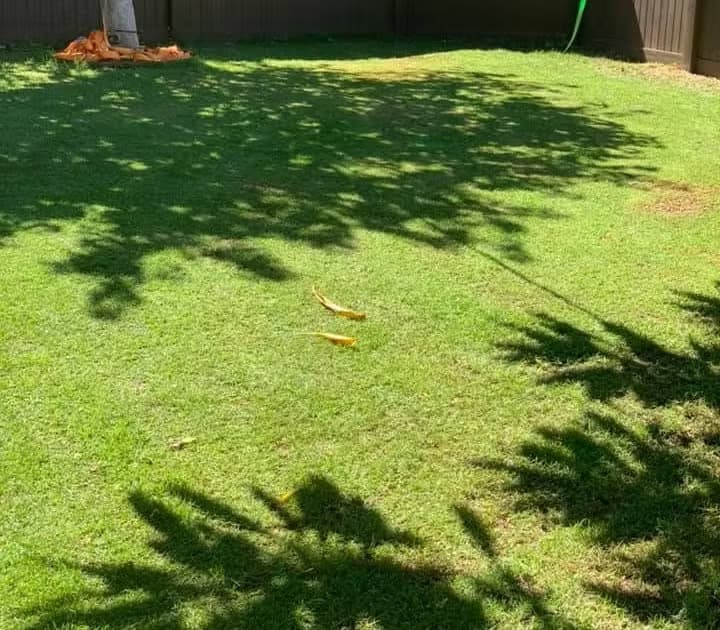
Back yard lawn featuring Seashore Paspalum, demonstrating its dense coverage and vibrant green color under dappled shade.
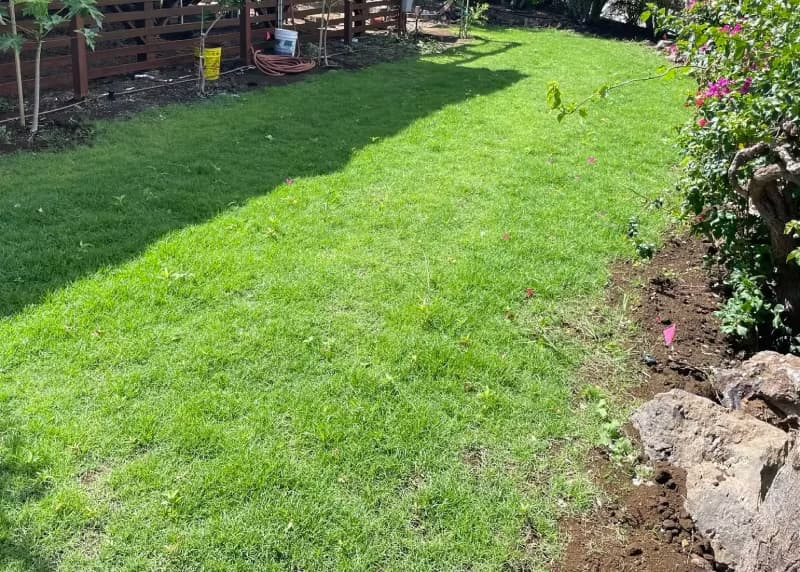
Early-stage vegetative establishment of Seashore Paspalum planted from stolons along a residential garden border.
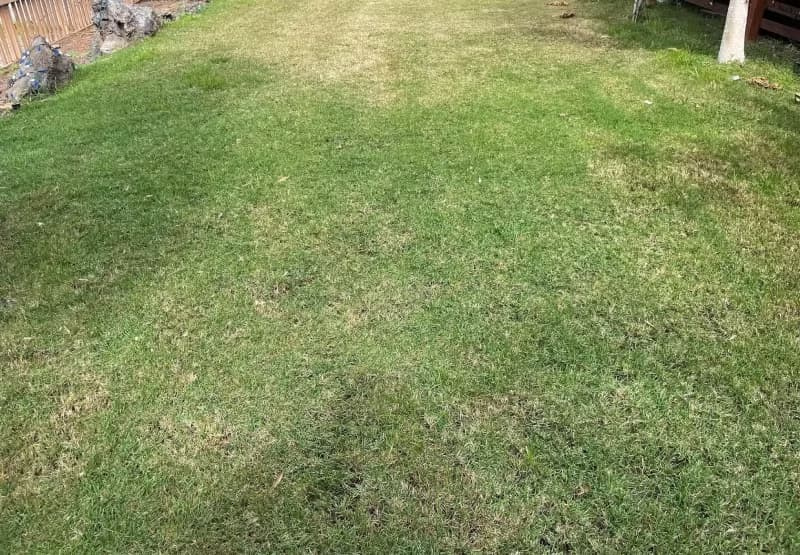
Seashore Paspalum showing iron chlorosis and uneven green-up, highlighting its sensitivity to micronutrient availability and soil pH imbalances.
Telling It Apart
Seashore paspalum is most often confused with bermudagrass, and occasionally with bahiagrass. Getting it right is practical rather than academic, because the wrong ID leads straight to the wrong — lawn-killing — weed program.
Against bermudagrass, four tells do the work:
- The little collar where blade meets sheath is a thin membrane fringed with fine hairs on paspalum, versus only a fringe of hairs on bermuda.
- Stolon leaf spacing. Even and regular on paspalum, uneven on bermuda.
- Blade underside. Waxy and shiny on paspalum, dull on bermuda.
- The giveaway when the grass is left unmowed. Paspalum makes a forked, two-branch seedhead, sometimes with a third branch below, each branch roughly a half inch to 3 inches long. Bermuda makes 3 to 5 finger-like spikes radiating from a single point.
Paspalum also runs a darker green than hybrid bermuda, with noticeably thicker stolons and rhizomes. One more marker if you want it: the youngest leaf is folded in the bud rather than rolled — slice across a shoot and the new blade is creased down the middle like a closed book. Most southern extension services report it folded, though UC IPM describes it as rolled, so treat vernation as a supporting clue and let the ligule and seedhead do the real work. Against bahiagrass, the difference is coarse and obvious: bahia has thick, woody rhizomes and a coarse Y-shaped seedhead.
For placing it among lawn grasses, paspalum is fine-to-medium textured and bright-to-dark green, with high-to-excellent wear tolerance (it recovers fast because it spreads both above and below ground), moderate shade tolerance (better than bermuda, far below St. Augustine), moderate drought tolerance (below bermuda), outstanding salinity tolerance (its standout, well above everything else), a moderate-to-high overall workload, and fast establishment from stolons. Its recovery engine is both stolons and rhizomes.
Identification Photos
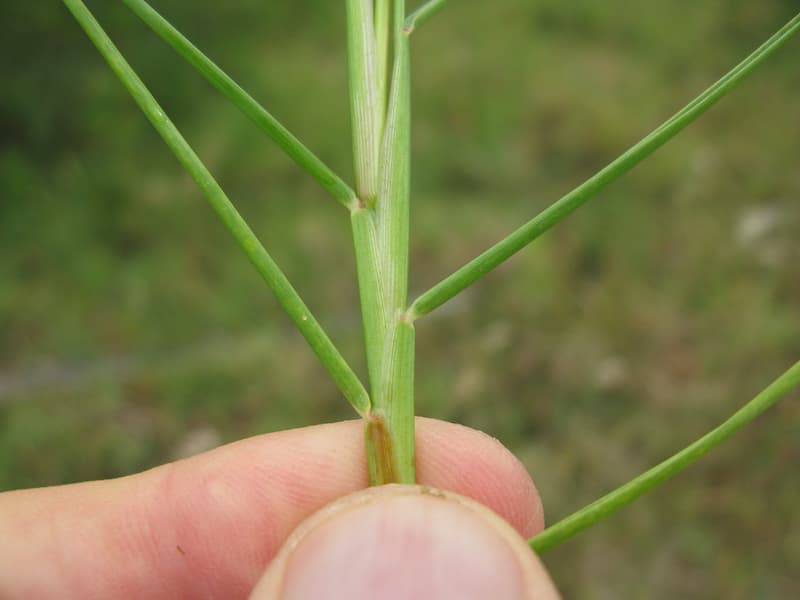
Look For: The collar region, with a short ligule fringed with tiny hairs and, often, a tuft of longer hairs at the collar edges. A hand lens helps.
“Paspalum vaginatum collar2” by Macleay Grass Man is licensed under CC BY 2.0.
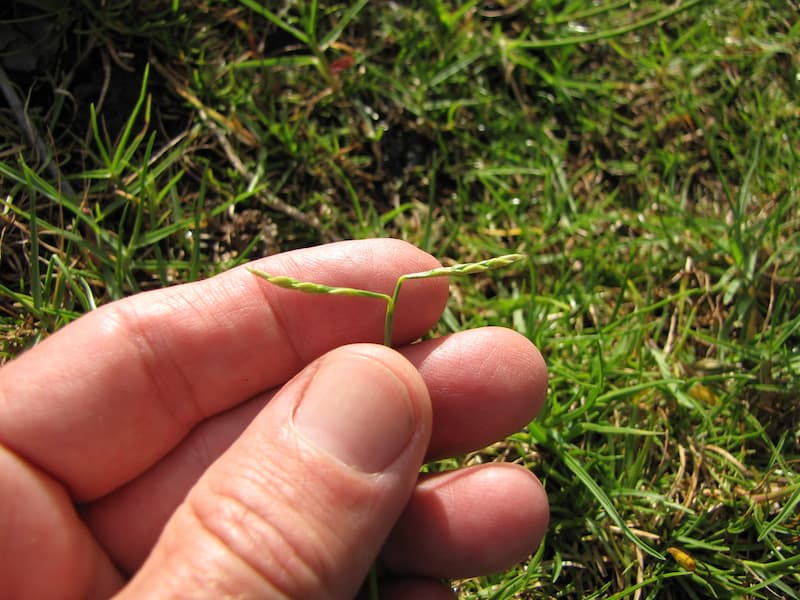
Look For: The V-shaped seedhead rising above dense, fine-bladed turf. Use it together with the stolons and the collar to confirm the grass.
“starr-120719-9471-Paspalum_vaginatum-seedheads-Hilo_Bay_Liliuokalani_Park-Hawaii” by Starr Environmental is licensed under CC BY 2.0.
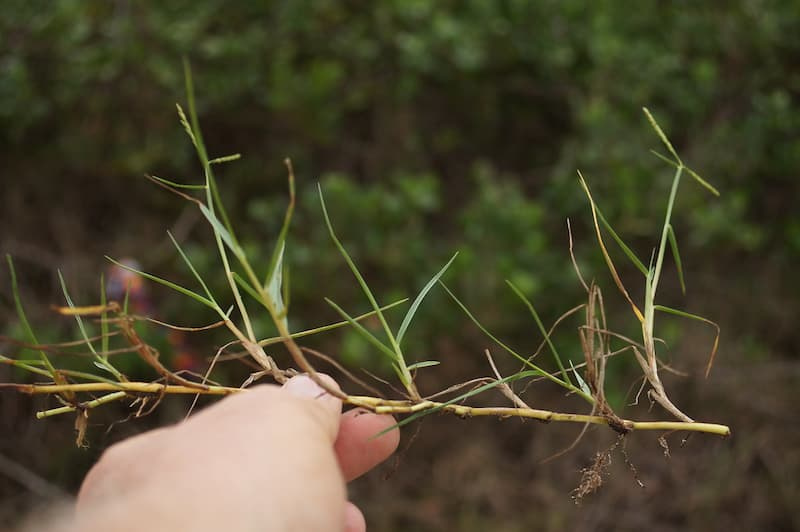
Look For: Long, slender stolons that root at the nodes and carry short leafy branches. Seashore paspalum forms dense, fine-textured turf from these runners.
“Paspalum vaginatum plant4” by Macleay Grass Man is licensed under CC BY 2.0.
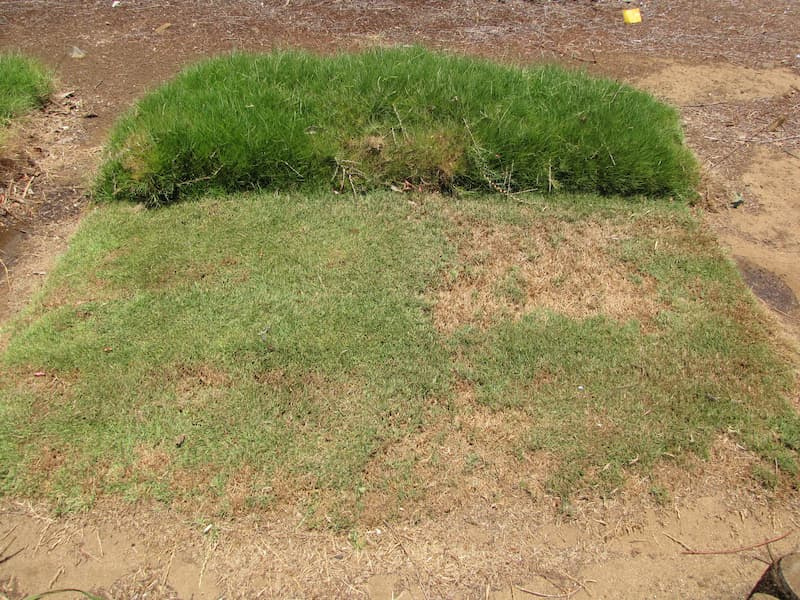
Key Identifier: A dense, fine-textured, dark green turf, most often seen on golf courses and on salty, coastal sites.
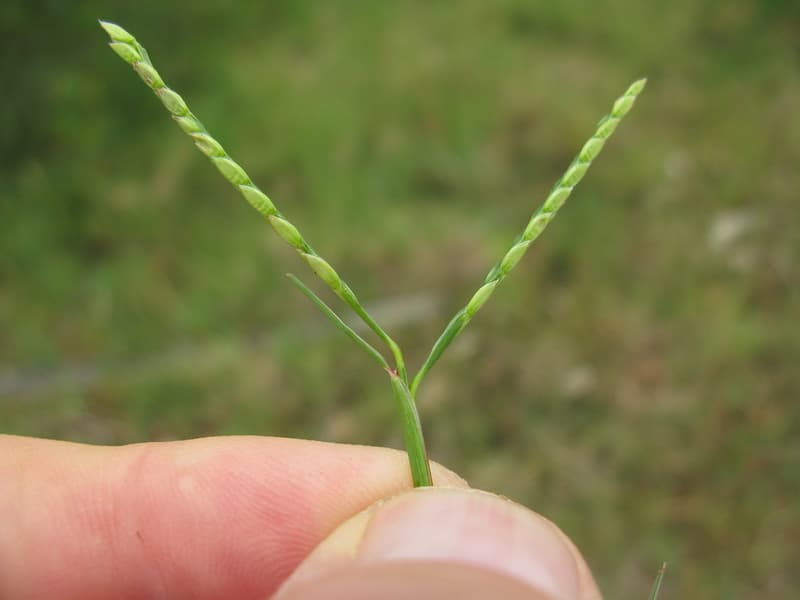
Diagnostic Feature: A V-shaped seedhead of two slender racemes. Bahiagrass has a similar seedhead, but seashore paspalum has narrow, pointed blades and spreads by fine stolons, so check the runners.
“Paspalum vaginatum flowerhead3” by Macleay Grass Man is licensed under CC BY 2.0.
Is Seashore Paspalum Right For Your Yard?
Advantages:
Salt tolerance nothing else matches. It can be irrigated with brackish, reclaimed, or effluent water that kills ordinary lawns, which turns a water problem into a non-issue.
It does not care about alkaline soil. It holds quality at pH 8.6 and survives to about 10.2, on ground where centipedegrass and bahiagrass fail.
Low nitrogen needs. 2 to 4 lb per 1,000 sq ft a year, less than bermudagrass wants.
It repairs itself. Stolons and rhizomes together refill worn spots fast during warm months.
Fast establishment. Full cover in 4 to 6 weeks from sprigs in warm weather.
It handles wet feet. It tolerates waterlogged ground better than zoysia, and it is native to marshes that flood.
Salt doubles as a weed killer. A tolerance no other lawn grass has becomes a selective control tool no other lawn owner gets.
Best If:
- You live on or near a warm coast — Florida, the Georgia coastal plain, South Texas, coastal Hawaii — where frost is rare or absent.
- You water from a brackish well, with reclaimed or effluent water, or with anything a salt test has flagged.
- You have a soil test that came back alkaline, chalky, or shell-heavy.
- You want a lawn that takes real traffic and heals itself.
- You prefer to feed lightly and would rather spend time mowing than money on nitrogen.
- You are willing to check an active-ingredient panel before every spray.
Disadvantages:
The lowest cold tolerance of any major warm-season lawn grass. A hard freeze near 17°F can kill it outright, which is why its map stops at the coast.
A short and specific herbicide list. Common products that are safe on bermudagrass will injure or kill it, so every spray needs an active-ingredient check.
Bermudagrass contamination is close to permanent without the newer resistance trait, and contaminated sod is the usual source.
Thatch builds fast and needs verticutting, not just raking.
Disease pressure is high in humid air — dollar spot and Large Patch both target it, and it has less natural dollar-spot resistance than bermuda.
Over-fertilizing wrecks it, and the damage looks like several other problems, so owners often feed it more in response.
Mowing is frequent — every 5 to 10 days, and more than weekly in peak summer.
Salt-water irrigation adds a flushing chore that cannot be skipped.
Poor compaction tolerance. Compacted ground traps moisture and sets off disease.
It escapes. In coastal settings it invades brackish and estuarine wetlands, so siting matters.
Avoid If:
- Your winters bring hard freezes, or you live in the transition zone. This is the single disqualifier, and no maintenance fixes it.
- Your yard is shaded. Low shade tolerance plus high disease pressure is a bad combination here.
- You want a lawn you can treat with whatever weed killer is on the shelf.
- You cannot mow at least every week to ten days in summer.
- You are not willing to verticut thatch every year or two.
- You need to establish from seed cheaply and quickly — the good grasses here are vegetative only.
- Your property drains directly into a tidal marsh or estuary.
Is It Safe for Pets and Kids?
No toxicity to pets or livestock is documented; the species is grazed by cattle and horses and eaten by wild geese. Pet-urine tolerance is a separate question and is not documented for this species in the university literature — no source reviewed rates it either way.
Where It Grows and Where It Fails
Seashore paspalum is a warm-season grass built for one job — surviving salt. It grows wild in salt marshes and along brackish, sandy coastlines, and it works as a home lawn only in warm coastal places: most of Florida, the Georgia coastal plain, South Texas, coastal Hawaii, and irrigated parts of southern New Mexico.
The reason its map is so small is cold. Seashore paspalum has the lowest cold tolerance of any major warm-season lawn grass. When temperatures fall it goes dormant and turns brown, and a hard freeze can kill it outright — most common types die near 17°F. The mechanism is simple. Tougher grasses load their cells with sugars and potassium that work like antifreeze; this one cannot. That single weakness rules out cool climates completely and makes the transition zone a bad bet, because freezing winters cause winterkill and the cool, wet weather of spring and fall sets off severe Large Patch disease. Central and northern Georgia, North Carolina, and South Carolina are already too cold and too disease-prone for it.
Placed against the five climate profiles, the verdict is clean. Warm-Humid: highly adapted, its home turf. Warm-Arid: adapted, but only with regular irrigation. Transition: unsuitable. Cool-Humid and Cool-Arid: fails. If your winters bring hard freezes, this is the wrong grass, and no amount of good care changes that.
Salt Is What Makes It Worth The Trouble
This is the most salt-tolerant warm-season turfgrass there is, and it is close to a true halophyte — a plant that actually thrives in salt.
Here is why that matters mechanically. Salt in the soil pulls water out of normal grass roots. Water always moves toward the saltier side, so salty soil acts like a sponge, draining moisture out of the plant even when the ground is soaking wet. The grass wilts, stiffens to a blue-green color, burns at the leaf tips, and dies of thirst in wet soil. Seashore paspalum resists that pull. Its cells stockpile protective molecules — one Florida study measured a roughly 21-fold jump in the amino acid proline under salt stress — which lets it keep drinking water the salt would deny to anything else. It does not need salt. But in salt, its competition dies and it wins.
In plain terms: this lawn can be watered from a brackish well, with reclaimed municipal water, or with effluent that would kill an ordinary lawn, and selected types survive soil salt levels approaching ocean strength. Salt tolerance does vary between improved types, so a site on genuinely salty water should ask for one bred for it. Nothing else on a lawn shelf comes close.
The Same Toughness Covers High pH
Salt-affected coastal ground is usually alkaline ground — chalky, shell-rich, or sodic sand that reads high on a soil test — and this is the other place seashore paspalum wins outright. It has held turf quality in field trials at pH 8.6 and survives to roughly 10.2, the top of the range for any lawn grass. Centipedegrass and bahiagrass, its neighbors across the warm South, turn yellow and decline above about 7.0 on that same soil. It works the other end too, surviving down to about 3.6, though below 5.5 the useful move is lime rather than tolerance. The comfortable managed band is 5.5 to 6.5, and coastal reclamation types stay comfortable up to about 8.0. If your soil test comes back at 8-point-something, this is one of the very few grasses that simply does not care.
That tolerance comes with a job attached. Salt that gets watered on keeps piling up and has to be flushed back out — see Keeping It Healthy.
Getting Established
There are two ways in — vegetative (sod, sprigs, or plugs) or seed — and they are not equal. One biological fact decides most of it: almost every high-quality improved seashore paspalum is vegetative-only. These grasses are self-incompatible, meaning they cannot fertilize themselves to make viable seed. So the good ones arrive as sod, sprigs, or plugs, never in a bag.
Seed does exist, but only for a short list of types. It is far cheaper than sod, and that is the whole of its advantage. It germinates slowly — 10 to 17 days, and only once soil is above 60°F — comes in unevenly, can throw off-type plants, and leaves a long open window for weeds. Sod gives an instant, uniform, weed-free, true-to-type lawn at high cost. Sprigging (spreading shredded stem pieces, each with at least two nodes) and plugging (small squares set about a foot apart) are the cheaper middle ground, but they need weeks of careful watering to fill in. For home lawns, extension services almost always recommend vegetative planting of an improved type.
Buy The Right Grass First
Two buying mistakes cause most paspalum failures, and both happen before anything is planted.
- Get a turf type, not a forage or wild paspalum. Other members of this genus are sold and spread as pasture and roadside grasses — bahiagrass (Paspalum notatum) and thin paspalum (Paspalum setaceum) among them. They stay coarse and open and never form a lawn. “Paspalum” on a label is not enough; it has to be an improved turf-type seashore paspalum.
- Get certified sod. Buy certified “blue-tag” material, which is genetically pure and weed-free. Non-certified sod is often contaminated with common bermudagrass, which looks nearly identical and is close to impossible to remove selectively once it is in. This is the classic way a paspalum lawn fails. If it matters to you, ask whether the grass carries the newer herbicide-resistance trait, which lets you spray out invading bermuda later without killing the lawn.
Do not blend or mix. Unlike cool-season lawns, paspalum is planted as a single type. Extension does not recommend mixing, because different growth rates, leaf widths, and shades of green produce a patchy, mismatched lawn. One certified grass, planted alone, is the standard.
Planting And The First Six Weeks
Plant in late spring or summer, once soil holds above about 65°F and air above 70°F, so roots grow fast. Sprig at about 3 bushels per 1,000 sq ft, or broadcast stolons at 5 to 10 bushels per 1,000 sq ft, then top with a half-inch of mulch (or till very shallowly) and roll lightly so the stems touch soil.
Expect a strange first two weeks. New sprigs and plugs show no green at all for 10 to 14 days, because the plant spends everything it has on roots before it makes a single leaf. Nothing is wrong. Once anchored it fills fast — full cover in 4 to 6 weeks in warm summer conditions, or 2 to 4 months at low sprig rates or from seed.
During grow-in, water lightly and often — as many as 4 to 6 times a day for the first few weeks — to keep the surface moist. Feed gently: young paspalum reacts badly to ammonium fertilizers, so use a soluble nitrate source, spoon-fed at about 1/4 to 1/2 lb of nitrogen per 1,000 sq ft, with phosphorus at least equal to nitrogen to drive rooting. Use fresh water only. Salty or recycled water stresses young tissue and stalls root growth, even though the mature lawn will drink it happily.
Two things stay off the lawn until it has knitted in. Pre-emergent weed killers that are perfectly safe on mature paspalum are lethal to new plantings, because they stop the very root growth a sprig or plug depends on — hold them for at least three months, and closer to four for indaziflam after sodding. And never use the salt trick during establishment; it kills the young grass along with the weeds.
Keeping It Healthy
Mowing
Home lawns run best around 1 to 2 inches with a rotary mower. The grass will take far lower — greens-type grasses go below a tenth of an inch on golf courses — but under 1 inch you need a heavy reel mower to cut cleanly, which most homeowners do not own. [INTERLINK: subtype pages — Fine Greens-Type Paspalum and Standard Landscape Paspalum, on the mower decision.] Keep the blade sharp, because paspalum leaves carry a tough, waxy coating that a dull blade shreds into ragged brown tips, and those tips invite disease. Follow the one-third rule (never take off more than about a third of the height at once), which means mowing every 5 to 10 days and more often than weekly at peak summer.
Mowing higher than 2 inches backfires here. The upper leaves shade out the lower ones, which die and rot into thatch. Falling behind and then cutting low — scalping — strips the green leaves off and exposes bare stems to heat, which can trigger disease or kill patches outright.
Feeding
This is a low-nitrogen grass, and that is one of its real virtues. Plan on 2 to 4 lb of nitrogen per 1,000 sq ft per year (north Florida 2 to 3, central Florida 2 to 4, south Florida 3 to 6 where the season runs longest), split into small feedings from spring green-up through August, with the last one before September 1 so you are not pushing tender growth into freeze season. Cap any quick-release feeding at 1/2 lb N per 1,000 sq ft; a slow-release product can go to 1 lb. Keep potassium high — roughly 1:1 to 1:2 nitrogen to potassium — because potassium is what firms the tissue against wear and stress. For color without growth, use foliar iron, especially on the high-pH, salty soils common near the coast, where soil chemistry locks iron away from the roots; spraying it on the leaves sidesteps the blockage entirely.
One failure mode is worth burning into memory: over-fertilizing is the classic way to wreck this grass. Paspalum is so responsive to nitrogen that too much sets off an explosion of soft, watery growth. Instead of rooting, it piles up spongy thatch, gets puffy and impossible to mow without scalping, and its soft leaves turn into easy targets for dollar spot and Large Patch. More nitrogen does not mean a better lawn here. It means a sicker one.
Watering And Drought
Water need is moderate to low — about 1 inch a week in summer, delivered deeply and infrequently. On sand that means up to an inch per event; on average soil, 0.5 to 0.75 inch twice a week. In the hottest weeks the lawn can use 1.7 to 2.2 inches a week, so check it rather than assuming.
Its drought strategy is survival, not staying green. Under stress it first rolls and folds its blades to cut water loss, and then, if the dry spell holds, browns out into dormancy and waits. Dormant is not dead — deep roots and rhizomes let it green back up when water returns. But it will not stay green without water, and it handles long, chronic drought less well than bermudagrass does.
The Salt-Flushing Job
Watering with brackish, reclaimed, or effluent water saves potable water and creates a hazard unique to salt-irrigated turf. The lawn drinks the water and the sun evaporates the rest, but the salt stays behind and concentrates in the root zone until even this grass cannot drink. You have to periodically flush the salt back down with fresh water — about 1 inch per flush, with a cumulative 6 inches or so washing 50 to 70 percent of the sodium below the roots in sandy soil.
Heavy clay is harder. Sodium makes clay swell shut and stop draining, so those soils need gypsum — about 50 lb per 1,000 sq ft, monthly — which swaps calcium for the sodium so fresh water can carry it away. Apply it after core-aerating and follow with a foot of leaching water. Truly sodic soil (pH 8.5 to 10.0) compounds the problem, because at that alkalinity the carbonates in soil water lock up calcium and magnesium as insoluble solids, leaving the lawn short of both nutrients and structure while the surface seals over and crusts. Gypsum plus a real leaching volume is the fix, and if you irrigate with recycled water, an acidifying nitrogen source slows the pH climb the bicarbonates cause.
This flushing is not optional on salt water. Skipping it is how a salt-tolerant lawn still dies of salt.
Thatch
Because it spreads so aggressively by stolons and rhizomes, seashore paspalum builds thatch fast. Hawaii’s extension service calls it one of the single biggest problems with these lawns. Once the layer passes about a half inch — check by pulling a soil core and looking at the spongy band between green leaf and soil — it has to be verticut (vertical-mowed) out.
Do that on healthy, actively growing turf in late spring or summer, at least 30 days before frost. Fertilize 10 to 14 days ahead to speed recovery, run the machine in a grid pattern, then rake off the debris, water, and feed lightly to push regrowth. Core-aerate afterward. On sandy soil, thin sand topdressings help slow the return.
Winter Color And Overseeding
Winter color depends entirely on where you live. In frost-free places like Hawaii or the southern tip of Florida the lawn stays green year-round. Anywhere frost reaches, it turns straw-brown and dormant.
Some owners overseed perennial ryegrass in fall for winter green, but it is a rough trade on this grass in particular. Paspalum is very sensitive to the herbicides used to prep a lawn for overseeding, and in spring the dying ryegrass releases natural toxins that actively poison the paspalum trying to green up, leaving it thin and weak going into its own growing season. For most home lawns, accepting the brown dormancy is the healthier choice.
What Goes Wrong
Seashore paspalum trades salt toughness for disease trouble. Warm, wet, humid air is exactly what its fungal enemies want, which is why morning sun matters so much here: sun dries the leaves and shuts fungal spores down, while shade or dead air keeps the canopy wet and sets off outbreaks.
The Two Diseases That Define This Grass
Dollar spot (caused by Clarireedia, formerly Sclerotinia homoeocarpa) hits paspalum hard because, unlike bermudagrass, it has little natural resistance. It runs at cool-to-mild temperatures, roughly 60°F to 80°F, under heavy dew and long leaf wetness. Look for silver-dollar-sized straw-colored spots, hourglass-shaped lesions on the blades, and white cobweb-like growth on dewy mornings. Fight it by watering before sunrise and never in the evening, knocking dew off the grass, keeping thatch under an inch, aerating, and — this part is counterintuitive — keeping nitrogen adequate, because starved grass is more prone to it, not less.
Large Patch (Rhizoctonia solani AG 2-2 LP) attacks in the cool shoulder seasons, as the grass enters or leaves dormancy and thatch temperatures sit between 50°F and 70°F with long moisture. It makes big yellow-orange rings, feet across, and rots the leaf sheaths. The main control is fertility timing: no nitrogen within about six weeks of fall dormancy or three weeks after spring green-up, plus good drainage and thatch control.
Three lesser diseases round it out. Bipolaris leaf spot shows up in wet, shady spring and fall weather and is made worse by low potassium. Fusarium blight comes in hot, humid weather with drought stress. Microdochium patch turns up in cold, wet winters.
Pests Are Mostly Underground
The sandy coastal soils this grass loves are pest country. Mole crickets tunnel through the roots, though they bother paspalum less than bermudagrass. Caterpillars — fall armyworms and sod webworms, plus tropical webworms in Hawaii — chew the leaves down, sometimes to bare ground. Billbug grubs bore through stems into the crowns.
The distinctive weakness is nematodes. Paspalum shrugs off most of them thanks to vigorous roots, but it is highly susceptible to spiral nematodes and gets hurt by sting and root-knot nematodes, which crop the roots short and leave the lawn wilting and thin. Managing them means not stressing the roots: mow a touch higher, feed moderately, water deep and infrequently, and aerate.
Some Problems Are Not Alive At All
Winterkill is the big one. Scalping is self-inflicted and dangerous. Salt injury happens when flushing gets neglected and the root zone finally over-salts. And iron chlorosis — a uniform yellowing of young leaves with no stunting — shows up on high-pH soils above roughly 7.0 to 7.5 that lock iron away; foliar iron fixes it fast. Keep that one in proportion. Paspalum resists high-pH decline far better than centipedegrass or bahiagrass, which genuinely fail on alkaline ground. Here it is a color problem to manage, not a sign the lawn is dying.
Telling Look-Alike Troubles Apart
This saves money and grass. Salt stress and drought stress both fold the leaves and brown the lawn, but salt stress shows up first in low spots and near irrigation spray, and a soil EC test settles it. Drought browns uniformly in the sunniest areas, and the roots stay long and clean. Disease and nematode damage do not spread uniformly — they make patches. Nematode damage mimics drought above ground and gives itself away below: dig up a piece of turf and the roots are short, stubby, or rotten instead of long and healthy. Between the two big diseases, dollar spot shows white morning mycelium and hourglass lesions, while Fusarium runs darker, chocolate to purple, with pink fungal threads rather than white.
Weeds In This Grass
Weed control is where paspalum is genuinely hard, because it is sensitive to many common lawn weed killers that other warm-season grasses shrug off — and several products are not legally labeled for it at all. The safe list and the danger list are both specific. Check any product’s active ingredient against this grass before you spray.
Broadly, paspalum tolerates quinclorac, halosulfuron-methyl (for sedges), carfentrazone-ethyl, metsulfuron-methyl, pronamide, and ethofumesate. On established turf it also tolerates the common pre-emergents pendimethalin, prodiamine, dithiopyr, and dimethenamid-P.
It is badly injured by triclopyr-ester, atrazine, simazine, foramsulfuron, and thiencarbazone-methyl. That danger list is exactly where the bermudagrass mix-up bites, because those chemicals are safe on bermuda. Anyone who treats a paspalum lawn as if it were bermuda can kill it — one more reason the two grasses have to be told apart.
Timing rules apply even to the safe products. Do not spray during the weak spring green-up window, and do not spray in high heat above about 90°F, which makes herbicides burn the turf.
The New-Stand Rule
Pre-emergents that are safe on mature paspalum are lethal to new plantings, because they stop the very root growth a new sprig or plug depends on. Hold them off a newly sprigged or plugged lawn for at least about three months, and up to four for indaziflam after sodding. During grow-in the only weed defenses are competition from the grass itself and the few establishment-safe products — quinclorac and mesotrione both have research support at planting.
The Salt Lever
This is paspalum’s signature trick. Because it tolerates salt that kills weeds, salt itself works as a selective, low-tech herbicide. Most lawn weeds — crabgrass, goosegrass, broadleaves — and even bermudagrass are salt-sensitive, so salt dehydrates them while the paspalum adjusts osmotically and keeps growing. The science is well documented: in a peer-reviewed trial, sodium chloride at roughly 870 lb per acre (about 20 lb per 1,000 sq ft) gave 90 to 100 percent smooth crabgrass control with almost no injury to paspalum, while injuring bermudagrass heavily.
Practitioner recipes exist for home use — granular solar salt through a spreader, or a shaken salt-and-water slurry sprayed on the weeds — but treat those exact rates as field practice rather than settled extension guidance. And never use salt during establishment, when it will kill the young grass right along with the weeds.
Bermudagrass Contamination And Renovation
The worst weed in a paspalum lawn is bermudagrass. It looks nearly identical, spreads relentlessly, and cannot be removed selectively with ordinary herbicides. The cultural lever is shade: mow paspalum tall (1.5 to 2 inches) and dense to starve the low-growing bermuda of light, and water deep and infrequently, because shallow watering favors bermuda. Selective chemical suppression leans on ethofumesate and specialist tank-mixes. Badly infested spots are usually spot-killed and replanted with clean paspalum. Newer grasses carrying the herbicide-resistance trait change this math completely, so it is worth asking about before you buy.
For a full renovation — clearing a site before planting — a non-selective herbicide is used, followed by a strict 14-day wait before planting. One caution: “non-selective weed killer” no longer reliably means glyphosate. Consumer brands, including ones formerly built on it, have been reformulated with different active ingredients that behave differently in soil. Read the active-ingredient panel and follow that product’s replant interval instead of assuming.
Subtypes
Fine Greens-Type Paspalum
The golf-green paspalum, cut below an inch — and only with a reel mower.
Best For: A small, level coastal lot in Florida, the Gulf South, coastal California, Arizona or Hawaii, where you want a dense, manicured, putting-green surface. For an owner who already has a heavy reel mower, or is willing to buy one, and will mow two or three times a week through summer.
Tradeoff: It only works with a reel mower and two or three cuts a week — mowed high with a rotary it thatches, shades itself out, and dies.
Seeded Paspalum
The only paspalum you can plant from a bag — the affordable route for a large coastal lot.
Best For: A large coastal property where sod prices don’t work, or a site too far from a certified sod farm for freight to make sense. This is also the realistic option for anyone outside the narrow band of states where vegetative paspalum can actually be bought at residential scale.
Tradeoff: You give up the instant, uniform, weed-free lawn that sod delivers, and take a slow grow-in with a three-month window where you can’t spray for weeds.
Standard Landscape Paspalum
The everyday coastal paspalum, cut at 1 to 2 inches with the rotary mower you already own.
Best For: A coastal or salt-affected home lawn in Florida, the Gulf South, south Texas, coastal California, Arizona or Hawaii — especially on sandy or shell-rich alkaline ground where ordinary grasses yellow out. For owners watering from a normal municipal or fresh well line who want salt and high-pH tolerance without buying special equipment.
Tradeoff: Vegetative only, so you pay sod prices up front — and outside a few coastal pockets you may not find a grower willing to sell a residential-size order at all.
Ultra-Salt-Tolerant Paspalum
The paspalum bred to drink brackish, reclaimed or effluent water and still look like a lawn.
Best For: A coastal lawn irrigated from a brackish well, a reclaimed or effluent municipal line, or close enough to the ocean to take salt spray and occasional saltwater flooding. Also for a site whose soil or water test already comes back high in salts.
Tradeoff: One cultivar with no retail path — expect a quote and a wait — and the salt it tolerates still has to be flushed out of the root zone on a schedule.
The Seasonal Care Calendar

Spring (Mar-May)
Green-Up Runs Late And Fragile
Green-up comes in late March or early April, once soil temperature 4 inches down holds above 65°F. It is later than you expect, and the grass is at its most fragile while it is waking. Do not apply post-emergent weed killers during that window — the plant cannot take the hit. Hold nitrogen until green-up is about three weeks past, because feeding into the wake-up window is what feeds Large Patch. Scout for Large Patch now: big yellow-orange rings, feet across, on ground that stayed cool and wet. Get the mower out early and keep the blade sharp, and check the thatch layer with a soil core so you can plan a verticut for late spring or summer rather than doing it now, when the grass is too weak to recover.
Summer (Jun-Aug)
Peak Growth Means Constant Mowing
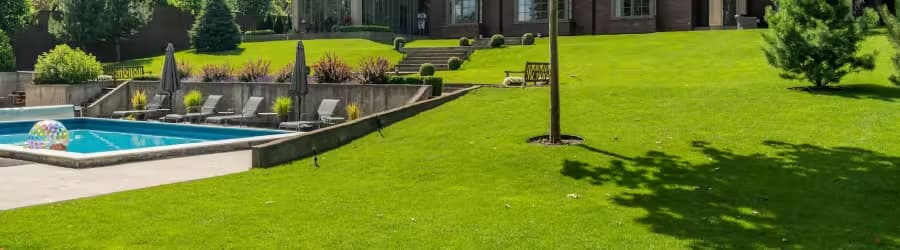
May through August is when this grass does everything. Mow every 5 to 10 days at 1 to 2 inches, more often than weekly at the peak, and never take more than a third of the height at once. This is the window for the jobs that need a strong plant: verticut the thatch if the layer is past a half inch, core-aerate afterward, and topdress sandy soil thinly. Feed in small doses — no more than a half pound of quick-release nitrogen per 1,000 sq ft at a time — and stop before you get to soft, puffy growth. Water deeply and infrequently, about an inch a week, adjusting upward in the hottest stretch. If you irrigate with salt water, flush the root zone with fresh water now, while the grass is strong enough to recover. Watch for dollar spot on dewy mornings and water before sunrise, never in the evening. Planting and sprigging also belong here, once soil is above 65°F.
Fall (Sep-Nov)
Feeding Stops Before September
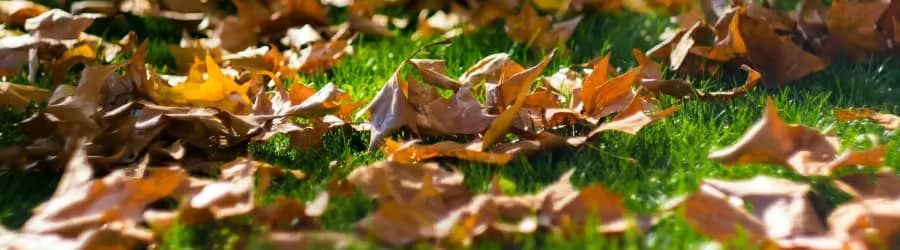
Growth slows through September and October, and the calendar turns into a list of things to stop doing. The last feeding goes down before September 1. Nitrogen after that pushes tender growth into freeze season and feeds Large Patch, which attacks hardest in exactly this cool, wet shoulder weather — keep nitrogen off for about six weeks ahead of dormancy. Stop verticutting at least 30 days before your first expected frost, because torn turf will not repair once growth stalls. Keep mowing while it is still growing, and keep the leaves dry: shorter days and heavy dew mean long leaf wetness, which is what dollar spot and Bipolaris leaf spot are waiting for. Skip the ryegrass overseed if you can accept a brown lawn — the herbicides used to prepare for it and the toxins the dying ryegrass releases in spring both hurt this grass specifically.
Winter (Dec-Feb)
Straw Brown Dormancy And Freeze Risk
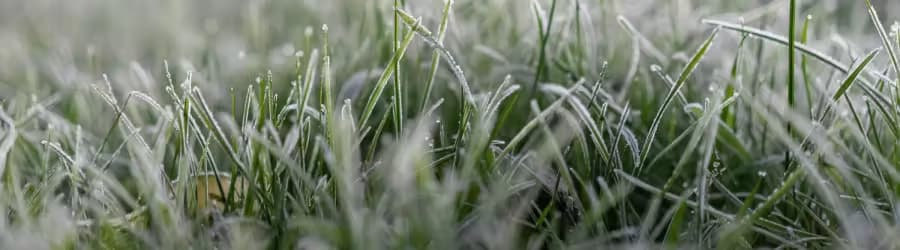
The lawn goes dormant as soil drops below about 50°F to 55°F and turns straw-brown wherever frost reaches. In frost-free places — Hawaii, the southern tip of Florida — it simply stays green and keeps growing slowly. Dormant is not dead: the crowns, rhizomes, and roots are alive and waiting. There is very little to do and a few things not to do. Stay off frozen or frosted turf, because walking on frozen blades breaks them. Do not fertilize. Do not irrigate on a normal schedule; dormant grass uses almost no water, and wet, cold soil is what Microdochium patch wants. The real risk this season is the one you cannot manage: a hard freeze near 17°F can kill the stand outright, and that risk is the reason this grass belongs on frost-free coasts and nowhere colder.
Paspalum Against Bermuda And St. Augustine
Seashore paspalum only makes sense against a specific set of rivals, and the comparison usually comes down to one question: how bad is your water and your soil?
Against bermudagrass. These two are the closest match, and they look so much alike that people confuse them in their own yards. Bermuda is more cold-hardy, more drought-hardy over a long dry spell, and can be sprayed with a much wider range of weed killers. Paspalum beats it on salt by a wide margin, needs less nitrogen, tolerates more shade (though neither is a shade grass), holds up better on wet ground, and resists mole crickets a little better. Pick bermuda for a normal inland lawn with clean water. Pick paspalum when the water or the soil is salty. And whichever you pick, keep the other one out — bermuda invading paspalum is the classic failure, and paspalum has been recorded outcompeting established bermuda on a Hawaii golf course, so the invasion runs both ways.
Against St. Augustinegrass. St. Augustine is the shade grass of the warm South and paspalum is not; if your yard is shaded, that comparison ends there. St. Augustine is also coarser, thirstier, and much more prone to chinch bugs. Paspalum is finer, takes far more traffic, repairs itself faster, and handles salt and high pH that St. Augustine cannot. Coastal lots with full sun and salty irrigation favor paspalum; shaded coastal lots favor St. Augustine.
Against zoysiagrass. Zoysia is markedly more cold-hardy and belongs further north; paspalum belongs further south. Zoysia is slow to establish and slow to repair, where paspalum is fast at both. Zoysia handles compacted ground better; paspalum handles waterlogged ground better and salt far better.
Against bahiagrass and centipedegrass. These are the low-input, low-expectation grasses of the warm South, and both fail on alkaline soil above about pH 7.0, turning yellow and declining. Both are also coarse. If your soil test came back high and your water is salty, paspalum outperforms them decisively. If your ground is acidic, sandy, and you want the lowest-effort lawn possible, they are less work than paspalum, which asks for frequent mowing and regular thatch control in exchange for its toughness.
Find Your Precision Match
Choosing between species requires balancing your specific soil profile, local micro-climate, and maintenance goals. Use our Turf Match Tool to generate a data-backed recommendation for your specific yard.
Start Your MatchTechnical Specifications
Scientific Name: Paspalum vaginatum Sw. (also cited as P. vaginatum Swartz).
Common Names: Seashore paspalum; saltwater couch; sand knotgrass; siltgrass; biscuit grass; seashore crown grass; salt jointgrass. In the turf trade it is usually just called paspalum.
Family: Poaceae (grass family), subfamily Panicoideae, tribe Paspaleae (older references place Paspalum in tribe Paniceae). Genus Paspalum.
Origin: Native to the coastal Americas — brackish marshes and sandy shorelines from North Carolina south through Florida and west to Texas, and south as far as Argentina. Also long established around Old World tropical coasts, so its exact center of origin is debated. Used as coastal forage and for erosion control and wetland restoration long before it was used as turf.
Season Type: Warm-Season
Growth Habit: Rhizomatous + Stoloniferous
Growth Rate: Fast
Texture: Medium
Root System Depth: Narrow-leaf carpetgrass (Axonopus affinis) in an educational botanical garden display, highlighting its species identification marker and distinct finer leaf texture compared to broad-leaf carpetgrass (Axonopus compressus).
Spread Mechanism Intensity: Aggressive on both fronts — thick stolons above ground and rhizomes below. Sprigs reach full cover in 4 to 6 weeks in warm summer conditions. Loose fragments root readily, which is why it crosses bed edges, why it has been recorded outcompeting established bermudagrass on a Hawaii golf course, and why it escapes into coastal wetlands.
Typical Lifespan & Invasiveness Risk: Long-lived perennial; a stand renews itself indefinitely from stolons and rhizomes. Inside the yard it is aggressive and will cross into beds and neighboring turf. Outside the yard it is a documented ecological problem in exactly the settings where it is planted: it is invading estuarine and saline wetlands in southern California and is rated highly invasive in the brackish lowland wetlands of Hawaii, where a University of Hawaiʻi weed risk assessment scored it as likely to cause significant ecological harm. Plants resprout from fragments, so clippings and sod scraps spread it. Do not plant it on ground that drains straight into a tidal marsh, and never dump clippings there.
Hardiness Zone Min: Zone 9
Hardiness Zone Max: Zone 12
Hardiness Zone Notes: Ideal is Zone 10 to 12, frost-free or nearly so, on the coast. Zone 9 is the stretch end, where the lawn will go dormant every winter and a hard freeze is a live risk. The limiting mechanism is cold, not heat: most cultivars are killed near 17°F because the plant cannot load its cells with the sugars and potassium that harden other warm-season grasses. No heat ceiling is documented — it is a tropical species grown as lawn turf in Hawaii and Guam. Extension publishes no USDA zone integers for this species; the range above is inferred from adaptation statements by UF IFAS, UGA, Texas A&M, NMSU, and UC IPM.
Cold Tolerance Rating: Very Low
Winter Color Profile: Dormant
Climate Cool Humid: Unsuitable
Climate Cool Arid: Unsuitable
Climate Warm Humid: Excellent
Climate Warm Arid: Good
Climate Transition: Unsuitable
Sun Requirement: Full Sun to Light Shade
Shade Tolerance: Low
Water Requirement: Moderate
Drought Survival Strategy: Both (avoidance then dormancy)
Soil Texture Fit:
Sand
Loamy Sand
Sandy Loam
Loam
Silt Loam
Clay Loam
Clay
pH Survival Min: 3.6
pH Optimal Min: 5.5
pH Optimal Max: 6.5
pH Stress Max: 10.2
Wet Feet Tolerance: High
Compaction Tolerance: Low
Salinity Tolerance: Very High
Wear Tolerance: High
Recovery: Very High
Recovery Mechanism: Rhizomes + Stolons
Input Intensity: Low
Labor Intensity: High
Thatch Production: Very High
Annual N Figure: 2 to 4 lb N per 1,000 sq ft per year for most home lawns. By region: north Florida 2 to 3, central Florida 2 to 4, south Florida 3 to 6 where the season runs longest. USDA-NRCS puts landscape use at 3 to 4. Cap any single quick-release feeding at 1/2 lb N per 1,000 sq ft; up to 1 lb is safe if at least half is slow-release. Above roughly 4 lb per year the grass turns soft, puffy, and thatchy.
Preferred NPK Ratio: No fixed N-P-K ratio is published; extension routes phosphorus and potassium through a soil test. Two rules do carry. Keep nitrogen to potassium at about 1:1 to 1:2, because potassium is what firms the tissue against wear and stress. At planting, use phosphorus at least equal to nitrogen to drive rooting. Source matters more than ratio here: paspalum responds to nitrate nitrogen, and ammonium only helps after soil bacteria convert it — a conversion that stalls below 55°F soil, below pH 5.5, and in waterlogged or poorly aerated ground.
Establishment Methods:
Seed
Sod
Sprigs
Plugs
Germination Speed: Moderate (7–14 days)
Establishment Speed: Fast
Seeding Rate: Vegetative rates are the documented ones. Sprigs: about 3 bushels per 1,000 sq ft (USDA-NRCS), each sprig carrying at least two nodes. Broadcast stolonizing: 5 to 10 bushels per 1,000 sq ft, topped with a 1/2-inch mulch layer or a very shallow tilling and then lightly rolled (University of Hawaiʻi CTAHR). Plugs: roughly 12 inches apart. Sod: full coverage, no rate. No university, NTEP, or USDA-NRCS source publishes a home seeding rate for the seeded types — the rates in circulation come from seed retailers and are excluded. Overseeding is not recommended on home lawns here, so there is no routine overseeding rate.
Improved Cultivar Availability: High
NTEP Note: NTEP cannot rank cultivars for this species the way it can for bermudagrass or tall fescue. Only 5 to 7 university locations reported complete data in the 2007 and 2016 national seashore paspalum trials, which is too thin to support region-specific residential guidance. Per-cultivar cold-hardiness and heat tolerance are not published at all — both are documented only at the species level, so no trial data separates one paspalum from another on the two traits that decide whether this grass survives your winter. Treat any cultivar comparison you find as fragmentary rather than as a ranking, and choose on the decision axes the subtype pages cover instead: how you mow, what water you irrigate with, and whether you can plant vegetatively.
Deep Dives & Practical Guides
How to Establish a New Lawn From Bare Soil to First Mow
Bare soil doesn't turn into a lawn just because you scattered seed or rolled out sod — it becomes one based on a handful of specific steps done in the right order, matched to your specific grass. This guide walks through soil prep, seeding or planting method, starter fertilizer, watering as the grass grows, and knowing when it's actually safe to mow, for both cool-season and warm-season lawns.
Read Article
Cool Season vs Warm Season Lawn and Landscape Guide
Your lawn and your flower beds don't follow the same calendar — one runs on a cool-season engine, the other on a warm-season one, and using the wrong playbook on either can do real damage. This guide helps you figure out which system you actually have and how to care for it correctly, plus how the same cool/warm split applies to your ornamental beds.
Read Article
The Hole You Dug Is Killing Your New Plants
A shrub that looked fine all summer and stalled the next year usually didn't fail because of the plant, the weather, or the nursery. It failed because the hole it went into was a container — smooth-walled, water-holding, and impossible to root out of.
Read Article
What You Can Actually Change About Bad Soil
Heavy clay and loose sand feel like permanent sentences, and half of that is true. What your soil is made of will not change. How those particles are arranged will — and that is the half that decides whether anything grows.
Read Article
Why Your Plants Survive Winter and Die in July
Your hardiness zone is built from one number — the coldest night of an average year. It says nothing about the hottest afternoon, which is what actually kills most plants people lose. Here's how to read the other half of the map.
Read Article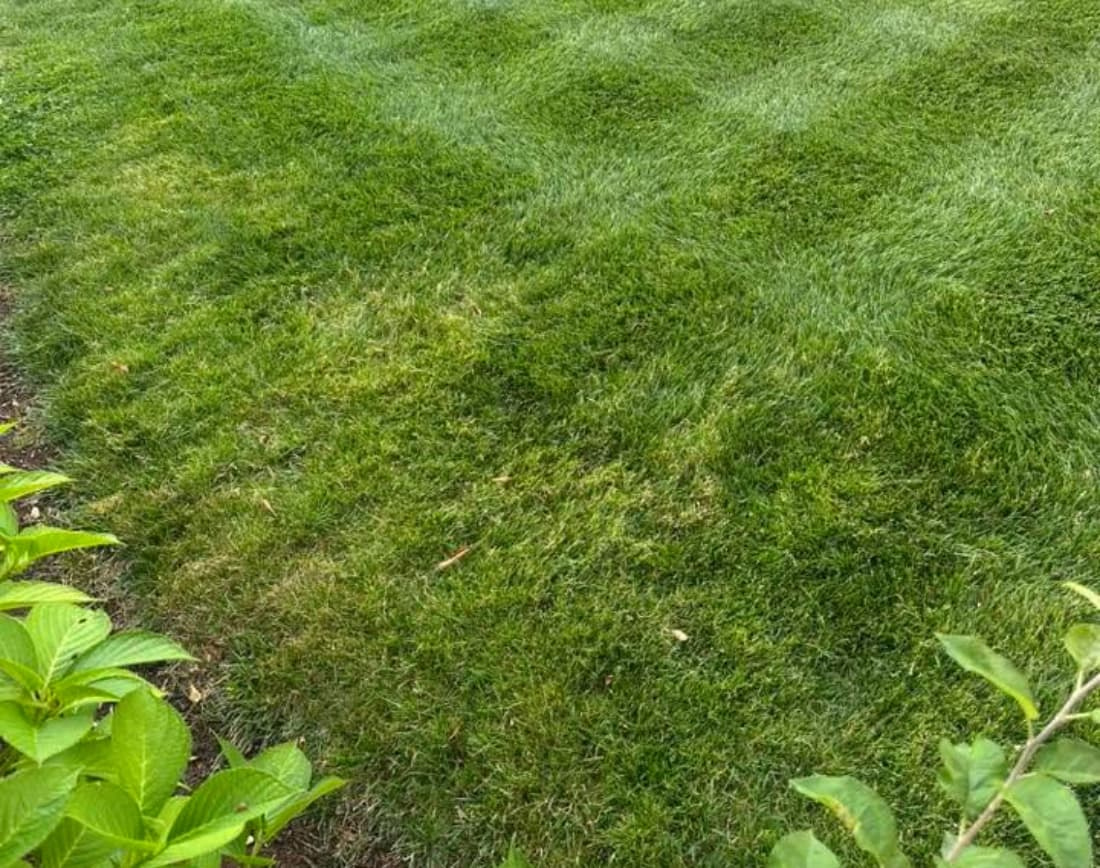
Why Poa Annua Keeps Coming Back — and the 3-Year Plan That Finally Ends the Cycle
You've pulled it. You've sprayed it. You've watched the little white seedheads mock you every single spring. And every fall, like clockwork, it's back — in the lawn, in the beds, in the cracks you didn't know you had. Here's the hard truth nobody at the big-box store will tell you: you're not losing because you're doing it wrong — you're losing because you're fighting the wrong enemy on the wrong timeline. Poa annua isn't a one-season problem, and once you understand why, the three-year plan below stops feeling like a chore and starts feeling like a countdown.
Read Article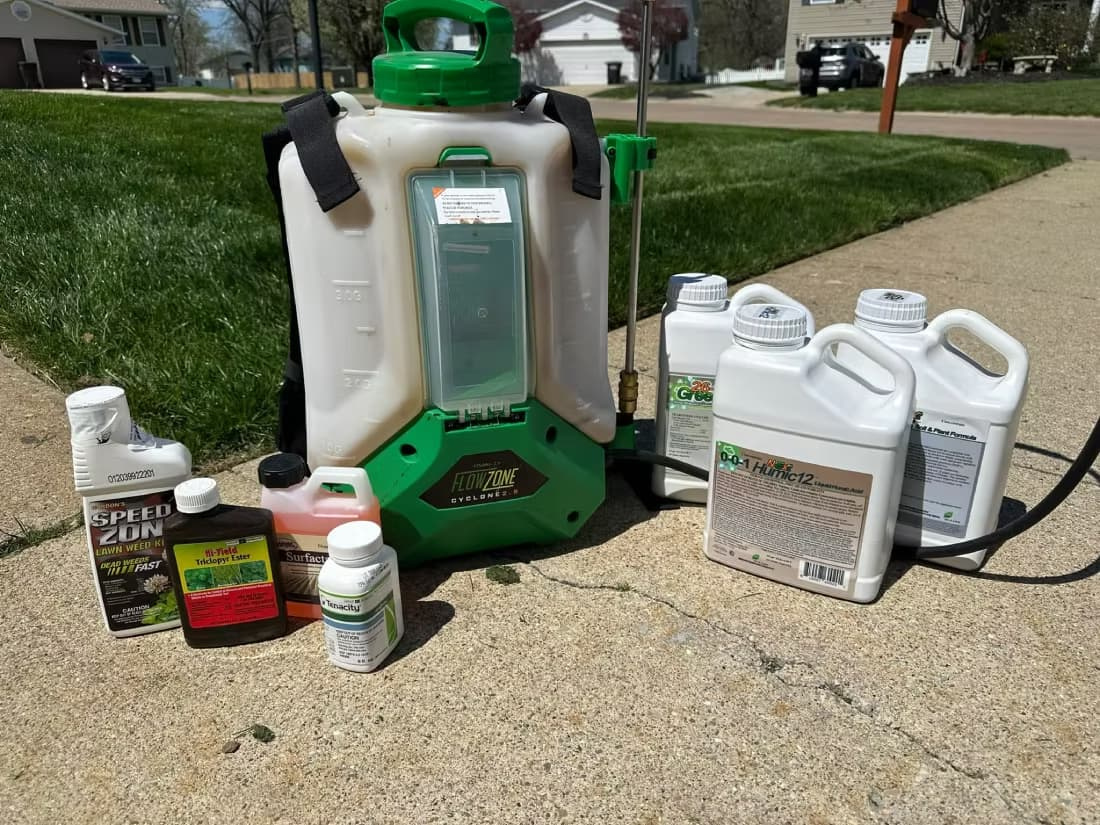
How to Apply Herbicides Correctly in Your Lawn and Garden Beds
Getting real results from a weed product has almost nothing to do with the brand on the bottle and everything to do with matching the method to the moment — the right chemistry, in the right place, at the right time. Learn how to apply herbicides correctly across both your lawn and your garden beds, whether you’re stopping weeds before they sprout or killing the ones already growing, without wasting product or harming the plants you want to keep.
Read Article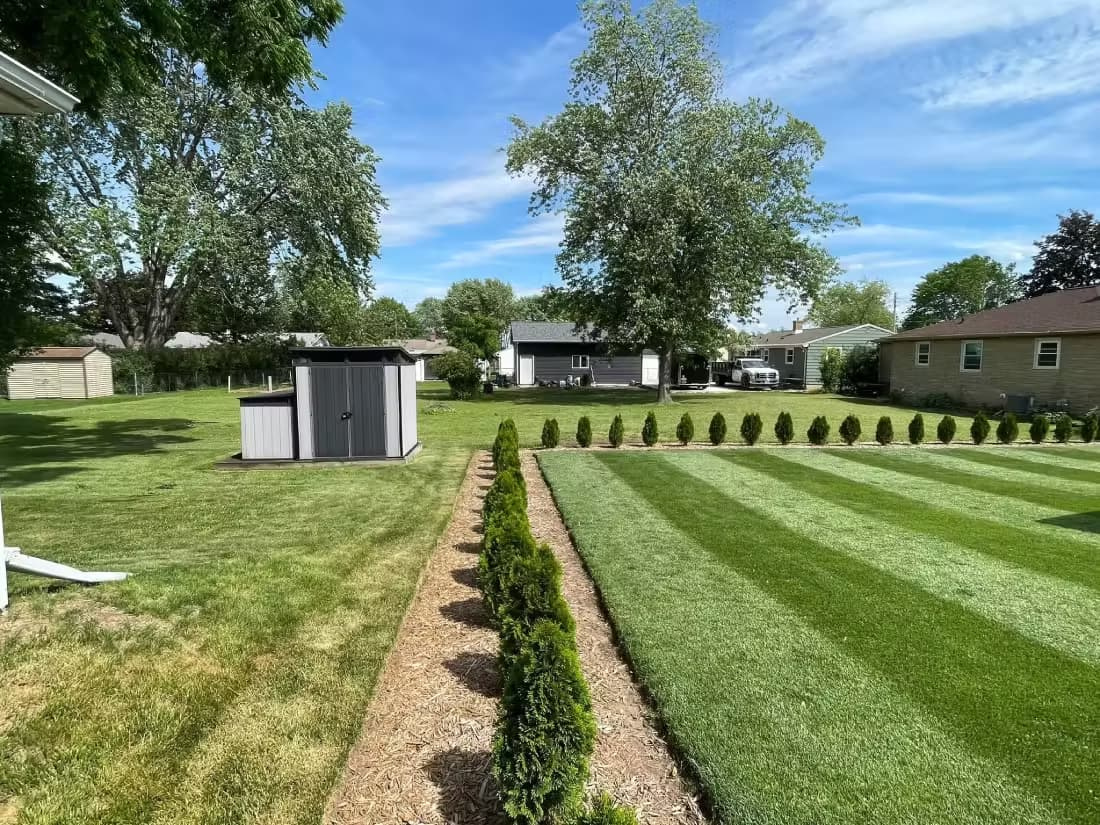
How to Kill Weeds Where Two Lawns Meet Without Harming Your Neighbor’s Grass
Controlling weeds along a shared property line is where good intentions quietly backfire—the season that's safe for your own lawn is often the season the lawn next door is most easily harmed. Learn the seasonal timing collision behind most fence-line damage, and the two habits that prevent it—reading what's actually in the bottle and spraying directed instead of broadcast—so you can clear the weeds without hurting your grass, your neighbor's, or the peace between you.
Read Article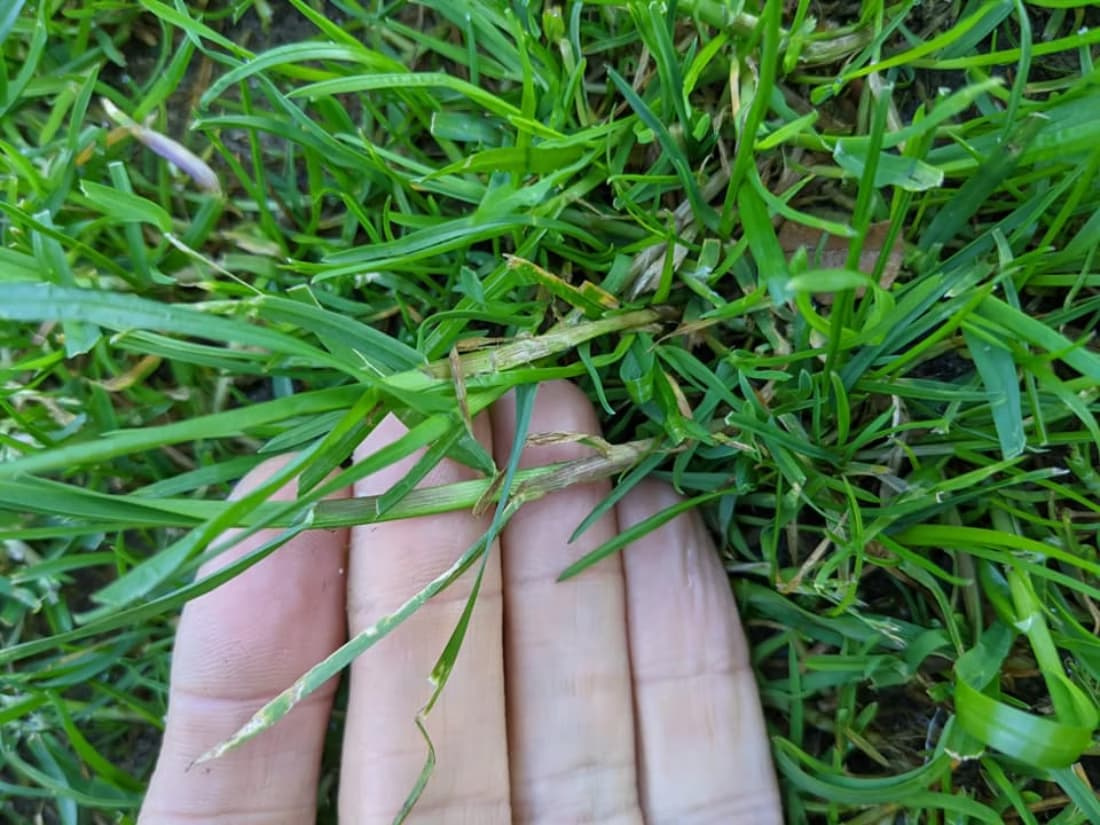
The Truth About One-and-Done Weed Control
Most homeowners lose the fight against weeds not because they work too little, but because they act before they understand. One-and-done weed control is real — but it only works when identification, timing, and the right tool all line up. This guide explains how that sequence works across your lawn and your ornamental beds, and how each weed page in the MFY hub puts it into practice for your specific invader.
Read Article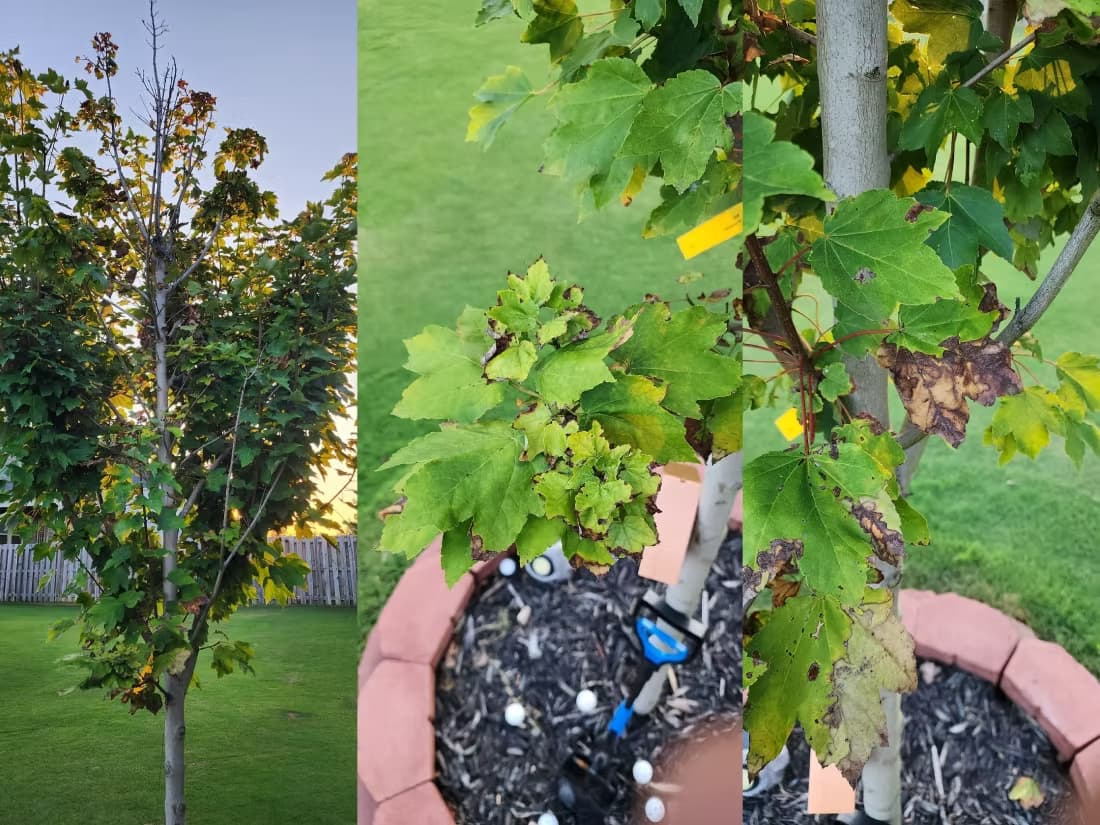
Solving the Mystery of the False Evidence in Your Lawn and Landscape
A brown leaf or a yellowing lawn is rarely what it seems. When symptoms act as decoys, a calm, forensic approach brings clarity to the confusion. Learn how to look past the surface to find the quiet truth of what your plants are truly asking for.
Read Article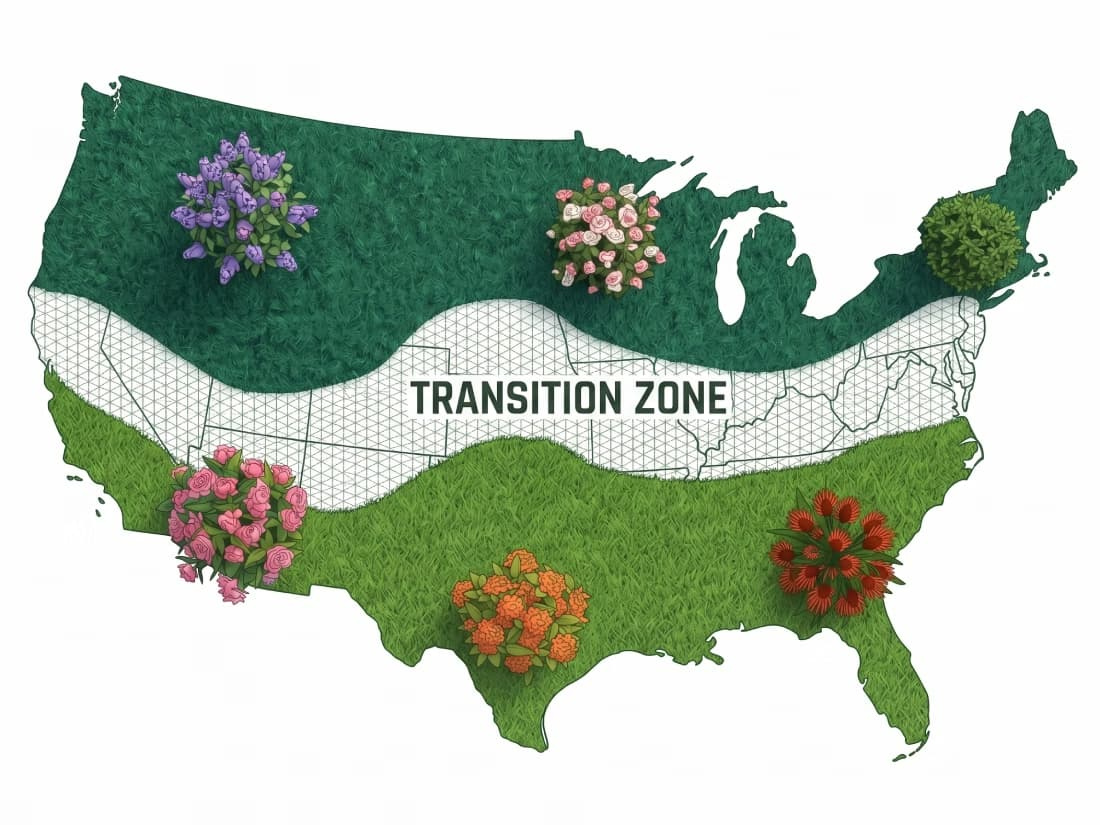
Living in the Middle: The Deep-Dive Guide to Transition Zone Lawns and Landscapes
The Transition Zone is a biological tug-of-war where neither northern nor southern species perfectly adapt. By using resilient "bridge" species and mastering maintenance levers like the Mowing Pivot, you can transform a struggling yard into a healthy landscape.
Read Article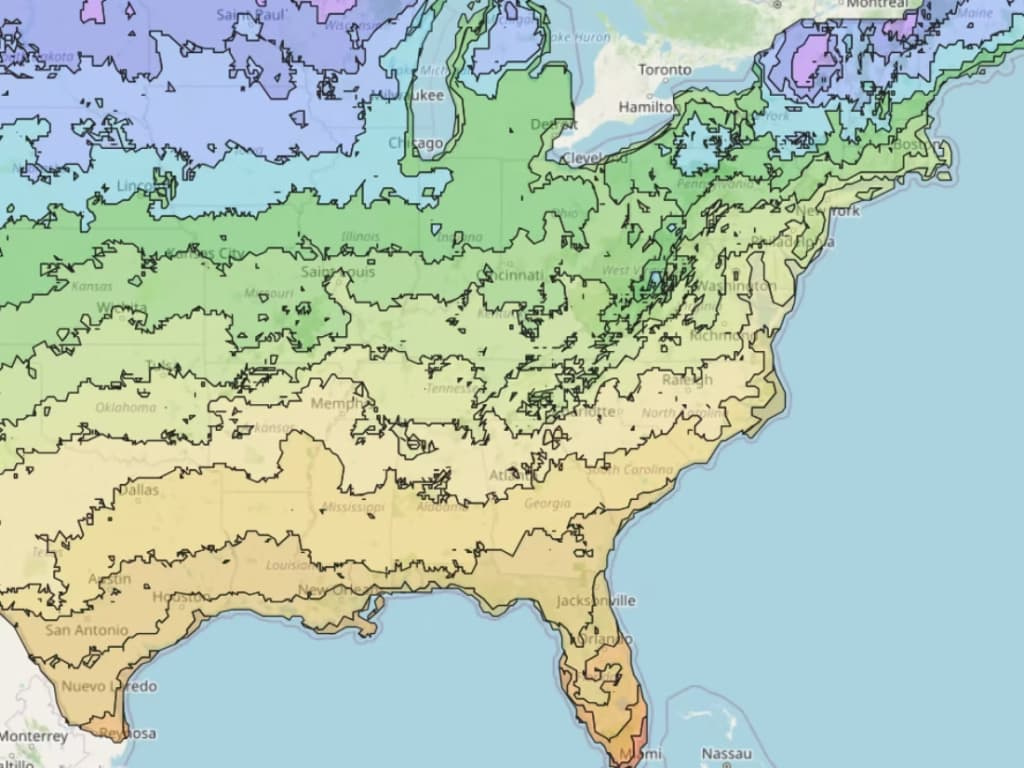
What Your Hardiness Zone Really Means for Your Lawn and Plants
Uncover the foundation of a resilient landscape by mastering the science of hardiness zones. Learn how these climate boundaries are calculated and why understanding your local temperature limits is the first step toward choosing plants that thrive year after year.
Read ArticleFrequently Asked Questions
Our maintenance and establishment guidance is derived from long-term agronomic field studies and turfgrass performance data from top research institutions.
Usually dormant, but this is the one warm-season grass where you should actually check. It browns out normally once soil drops below about 50°F to 55°F, and it greens back up in late March or early April. It also has the lowest cold tolerance of any major warm-season lawn grass, and a hard freeze near 17°F can kill it outright. To tell the difference, dig up a small plug and look at the crowns and the underground stems. Firm and white or cream means alive. Brown, soft, or mushy means dead. Wait for full green-up before you replant anything, because dormant patches can look hopeless in February and be fine in April.
Yes, and that is the whole reason to plant it. It handles water that would kill an ordinary lawn. But salt tolerance is not salt immunity, and this is where owners get caught. The lawn drinks the water and the sun evaporates the rest, while the salt stays behind and builds up in the root zone until even this grass cannot pull water in. You have to flush it back down with fresh water — about an inch per flush, with roughly 6 inches cumulative moving 50 to 70 percent of the sodium below the roots on sandy soil. On heavy clay you need gypsum too, because sodium makes clay swell shut. Skipping the flush is how a salt-tolerant lawn still dies of salt.
Almost certainly not. Over-fertilizing is the classic way to wreck this grass. It is so responsive to nitrogen that too much sets off soft, watery growth: instead of rooting, the lawn piles up spongy thatch, goes puffy, scalps every time you mow, and hands dollar spot and Large Patch an easy target. Stay in the 2 to 4 lb of nitrogen per 1,000 sq ft per year range, in small doses. There is one honest exception — dollar spot gets worse on a starved lawn, so if that is your problem the answer is adequate nitrogen, not extra. If the lawn is thin and you do not know why, a soil test costs less than a season of guessing.
No. This is the fastest way to kill a paspalum lawn, and it happens constantly because the two grasses look so much alike. Products containing triclopyr-ester, atrazine, simazine, foramsulfuron, or thiencarbazone-methyl are fine on bermuda and badly injure paspalum. Check the active-ingredient panel on the label every time, not the brand name on the front, and confirm the product is actually labeled for seashore paspalum.
Mostly no, and the reason is biological rather than commercial. Nearly every high-quality improved paspalum is self-incompatible, meaning it cannot fertilize itself to make viable seed, so the good grasses only exist as sod, sprigs, or plugs. Seed does exist for a short list of types. It is cheaper, and that is its only advantage: it takes 10 to 17 days to germinate and only above 60°F soil, comes in unevenly, can throw off-type plants, and leaves a long open window for weeds while you cannot use most pre-emergents. Sprigs or plugs are the affordable middle ground.
Honestly, this is the hardest problem this grass has. Ordinary selective herbicides will not take bermuda out of paspalum. Your levers are cultural first: mow tall, 1.5 to 2 inches, so the dense canopy starves the low-growing bermuda of light, and water deeply and infrequently, because shallow watering favors bermuda. Salt suppresses it as well. Chemical suppression leans on ethofumesate and specialist tank-mixes, and badly infested patches are usually spot-killed and replanted with clean paspalum. Prevention is the real answer: certified “blue-tag” sod is genetically pure, and non-certified sod is the usual way bermuda gets in. Newer grasses carrying a herbicide-resistance trait let you spray invading bermuda out without hurting the lawn, so ask about that before you buy.
Usually not, and the reason is specific to this grass rather than general advice. Paspalum is very sensitive to the herbicides normally used to prepare a lawn for overseeding. Worse, in spring the dying ryegrass releases natural toxins that actively poison the paspalum trying to green up, so you enter the growing season with a thin, weak lawn. For most home lawns, accepting the straw-brown dormancy is the healthier choice.
No. This is the grass that does not care. It has held turf quality in field trials at pH 8.6 and survives to roughly 10.2, which is the top of the range for any lawn grass, and coastal reclamation types are comfortable to about 8.0. Centipedegrass and bahiagrass genuinely fail on that same ground. The one thing to watch above about 7.0 to 7.5 is iron chlorosis — a uniform yellowing of young leaves with no stunting — because high-pH soil chemistry locks iron away from the roots. Foliar iron sprayed on the leaves sidesteps the blockage and fixes it fast. The comfortable managed band is 5.5 to 6.5, and if your soil comes in below 5.5 the useful move is lime.
Scientific Authority
This profile is grounded in turfgrass agronomy and soil science. Every recommendation—from irrigation requirements to nutrient management—is verified against agricultural research data to ensure optimal plant health and environmental sustainability in the Transition Zone.
Primary Resources
- University of Hawaiʻi at Mānoa, CTAHR: Seashore Paspalum (TM-1)[cite: 1, 2]
- USDA-NRCS Plant Guide: Seashore Paspalum (Paspalum vaginatum Sw.)[cite: 3]
- University of Florida IFAS Extension: Seashore Paspalum for Florida Lawns (CIR 1244)[cite: 4]
- University of Georgia CAES, Griffin Campus: Seashore Paspalum Turfgrass Breeding and Management Program[cite: 5]
- Texas A&M AgriLife Extension: Seashore Paspalum Turfgrass Publications[cite: 6]
- Clemson University Turfgrass Science: Turfgrass & Salinity Research[cite: 7]
- New Mexico State University Extension: Circular 660, Turfgrass Water Use
- National Turfgrass Evaluation Program (NTEP): National Seashore Paspalum Trials (2007, 2016)
- Weed Technology: Sodium Chloride for Selective Weed Control in Seashore Paspalum
- University of Hawaiʻi at Mānoa, Department of Botany: Weed Risk Assessment for Paspalum vaginatum