
Observations: Shovel hits rock, turf browns days after rain
Rocky or Shallow
Not enough soil to root into, and the one limit you cannot amend away
Rocky or Shallow At-a-Glance
Diagnostic Threshold
Rock under 6 inches
Remediation Difficulty
High
Recovery Timeline
Multi-year
How to Identify Rocky or Shallow
Rocky or shallow soil means bedrock, a cemented hardpan, or heavy stone content limits how deep roots can go and how much soil they have to work with. It is the one condition on this hub you genuinely cannot amend your way out of.
The giveaway is drought that arrives too fast. Turf goes blue-gray and then brown within a couple of days of rain, because there is no reserve below the top few inches to draw on. You will also hit rock while planting, see outcrops, and notice trees with stunted canopies.
Dig three or four test pits across the yard with a spade and measure where you stop. Under 4 inches is severely restrictive; 4 to 6 inches is the bare minimum for turf; 12 inches or more is needed for shrubs and small trees. Dig into a wet patch too — Compacted Soil yields to heavy digging, while rock gives absolute resistance and a metallic ring.
Forensic Signs
Distinguishing shallow rock from the conditions that mimic it:
- Absolute resistance to a spade, often with a metallic clank. Compacted subsoil is hard but eventually yields.
- Turf browning within two days of rain across the same areas every year.
- Roots flattened, distorted, or growing in tight horizontal sheets where they hit a rock interface.
- Rock outcrops, or a thin dark topsoil layer sitting directly on pale stone or gravel.
- Trees with small, sparse canopies relative to trunk size, and a history of blowing over in storms.
- Shovel bouncing at a consistent depth across the whole yard, which points to bedrock or a hardpan rather than scattered boulders.
- Where the bedrock is limestone, add interveinal chlorosis to the list, since shallow soils over carbonate run pH 7.8 to 8.5.
Where It Shows Up
Shallow rocky soils occur naturally in mountainous country, on eroded hilltops where topsoil has washed downslope, across glacial moraines full of gravel and cobbles, and over karst limestone formations such as the Texas Hill Country and the Miami oolite of South Florida.
The other major source is entirely artificial. On residential developments the original topsoil is routinely stripped during grading and either sold or buried, leaving houses sitting on subsoil or weathered rock with a thin cosmetic layer spread over the top. If your lot is newer than the neighborhood around it and the soil is shallow, that is usually why.
Where the bedrock is limestone, expect calcareous chemistry on top of the physical limits. Free carbonate holds pH between 7.8 and 8.5 and locks up iron and manganese, so you are managing two conditions at once.
Why Precision Matters: Treating the Root Cause
Noticing that your grass looks "off" or that water is pooling is a great start, but in yard care, the symptoms of different conditions often look exactly the same. Guessing whether your soil is acidic or just low on nutrients often leads to wasted effort and money on treatments that don't work. To truly fix a problem, you need a precise diagnostic that moves beyond a simple hunch.
We’ve built a specialized tool to give you that clarity. It’s completely free (and always will be), requires no signup or email, and is designed so you can return to your results whenever you need to adjust your recovery plan.
The MFY Soil Profile Builder
Our tool helps you move from observing a symptom to identifying the actual condition. By guiding you through simple field tests and sensory checks—like checking your soil’s pH or physical resistance—the tool handles the interpretation for you, delivering a clear diagnostic profile. This ensures you aren't just treating the "look" of your yard, but are addressing the specific state of your soil so it can get back to supporting healthy growth.
Build Your ProfileThe Diagnostic & Recovery Roadmap
Every other condition on this hub can be corrected given enough time and effort. This one cannot. Removing bedrock or screening tons of stone out of a lawn is not economically realistic at yard scale, and no amendment adds depth. What that leaves is two genuinely effective strategies — build soil upward where you need it, and choose plants that never needed the depth in the first place. Accepting that early saves a lot of money.
Biological Impact
Shallow soil holds a small total volume of water, so plants run out fast. A lawn over 4 inches of soil has perhaps a third of the reserve of one over 12 inches, which is why it browns within days rather than weeks.
Trees cannot build a stable root architecture, which raises windthrow risk in storms — a real safety concern with mature trees over shallow rock. Soil life is confined to a thin surface layer, so nutrient cycling is slower and less resilient than in a deeper profile.
Chemical Blockade
Rock fragments hold no nutrients at all. They have zero cation exchange capacity, so a soil that is 40 percent stone by volume has roughly 40 percent less nutrient holding than the same soil without it — even though a lab test on the sieved fine fraction looks perfectly normal.
The small soil volume also means fertilizer salts are barely diluted, so over-application burns roots far more easily here than on a deep soil. Where the bedrock is limestone, high pH locks up iron and manganese as well.
Immediate Stabilization
Work with the depth you have while you decide on a longer-term plan.
- Switch irrigation to short frequent cycles. A deep soak on shallow soil mostly runs off or drains past the rock.
- Mulch 2 to 3 inches deep over all root zones to cut evaporation from the small volume you have.
- Stop high-analysis synthetic nitrogen. It pushes top growth the shallow root system cannot support, and the salts are barely diluted.
- Thin weak branches on trees over shallow soil to reduce wind load and lower the risk of them going over.
Structural Remediation
You cannot remove the rock. You build soil above it, or you plant accordingly.
- Raised beds — 12 to 18 inches high, filled with roughly 60 percent topsoil, 30 percent compost, 10 percent coarse sand. About $15 to $30 per sq ft, and it solves the problem immediately for ornamental and woody plantings.
- Compost topdressing for lawns — a quarter inch twice a year, roughly $30 to $60 per 1,000 sq ft per application. Be realistic about the pace: this builds about half an inch of topsoil per decade.
- Blend the transition zone. If you import topsoil, mix its bottom inch into the top inch of what is there. Dumping fine soil onto rock creates a sharp textural boundary and a perched water table right in the root zone.
- Not worth doing: excavating bedrock or screening stone across a whole lawn. Choose shallow-rooted plants, or go to rock garden and hardscape instead.
Prevention Rhythm
Mostly about protecting what soil you have and not making it worse.
- If you are building or having work done, fence off areas to keep equipment from stripping or compacting the topsoil.
- Specify a minimum 6 inches of screened topsoil replaced after construction, before any lawn goes in.
- Keep organic mulch on beds year-round to build surface soil slowly.
- Do not deep-till. It brings buried stone up into the surface layer where it becomes your problem.
- Topdress lawns with compost twice a year rather than once. Over a decade it makes a measurable difference.
The Strengths & Challenges of Rocky or Shallow
The Bright Side:
Loose rock fragments provide excellent deep drainage, so waterlogging is rare even in wet climates.
Resists deep compaction from foot traffic and vehicles, because the rock structure carries the load.
Ideal for alpine plants, succulents, and rock gardens, which are difficult to grow well on deep soil.
Once you plant to suit it, maintenance is low — there is nothing to correct and little to feed.
The Main Hurdles:
Holds very little total water, so plants wilt within days of rain regardless of how much you apply.
Rock fragments hold no nutrients at all, cutting the soil's nutrient capacity in direct proportion to stone content.
Mature trees are at real risk of blowing over, because roots cannot build a stable anchoring structure.
Cannot be corrected at any practical cost, and compost topdressing builds only about half an inch of soil per decade.
Condition Compatibility & Relationships
Plants That Love This Condition
The plants that thrive here evolved on rocky glades, cliffs, and thin mountain soils. They have shallow fibrous roots that work into crevices, or they store their own water, and they are used to fertility being low. Many are actively better on shallow ground than on deep soil, where they grow soft and rot.
Shrubs and small trees
- Juniper — the most reliable evergreen for thin rocky ground anywhere in the country.
- Texas Sage — built for shallow limestone soils in the Southwest and Hill Country.
- Chokecherry and Serviceberry — tough natives that tolerate thin soil and give flowers and wildlife value.
Perennials and groundcovers
- Sedum — stores water in its leaves and needs almost no soil depth at all. The default answer for the shallowest ground.
- Creeping Thyme and Ice Plant — low mat-forming groundcovers for hot dry rocky spots.
- Prickly Pear — where the climate suits it, genuinely at home on rock.
- Little Bluestem — a native bunch grass that roots into crevices and holds thin soil against erosion.
Grasses That Love This Condition
The turfgrasses that work here either need very little soil depth or spread across the surface rather than depending on rooting down.
- Fine Fescues — the best cool-season option on shallow ground. They need minimal rooting depth, use water efficiently, and tolerate low fertility, which suits a soil with little nutrient capacity. This is one of the few soil conditions where fine fescue is the right answer rather than the wrong one.
- Bermudagrass — spreads by surface stolons, so it colonizes over thin soil and even across rock outcrops rather than needing depth beneath every point.
- Zoysiagrass — similar surface-spreading habit with a denser mat that shades the soil and cuts evaporation from a small water reserve.
- Buffalograss — where the climate suits it, an excellent choice on thin dry calcareous soils, needing almost no water or feeding.
Below about 4 inches of soil, stop trying to grow conventional turf. Sedum, moss, or a gravel garden will look better with a fraction of the effort.
Plants That Struggle In This Condition
The failures here need depth for water, and no amount of watering substitutes for it. A shallow soil cannot store enough between applications, so these plants live in permanent drought stress punctuated by brief relief.
- River Birch — a floodplain species accustomed to deep moist soil. On shallow rock it scorches and declines.
- Flowering Dogwood — needs a deep, moist, organic root zone and gets none of it.
- Japanese Maple — fine roots and high moisture demand, with leaf scorch appearing by midsummer every year.
- Large shade trees generally — the deeper issue is anchorage. A mature tree over shallow rock cannot build a stable root plate and is a genuine windthrow risk near a house or driveway.
Raised beds solve this for shrubs and perennials. For large trees they do not — think carefully before planting anything that will be tall and heavy in twenty years.
Grasses That Struggle In This Condition
Grasses that need a deep fertile root zone cannot get established on thin soil, and they thin out permanently rather than recovering.
- Kentucky Bluegrass — requires a deep fertile rootzone to spread by rhizome and hold density. On shallow soil it never establishes properly and goes dormant at the first dry spell.
- Perennial Ryegrass — germinates fast, which is misleading, then fails once the small water reserve runs out. Fine as a temporary nurse grass, poor as a permanent lawn here.
- Tall Fescue — usually the toughest option, but its entire advantage is deep rooting, and shallow soil removes it. It will grow, but it loses its edge over less demanding grasses.
Measure your soil depth before choosing seed. It is the single most useful number on this page and most people never check it.
Deep Dives & Practical Guides
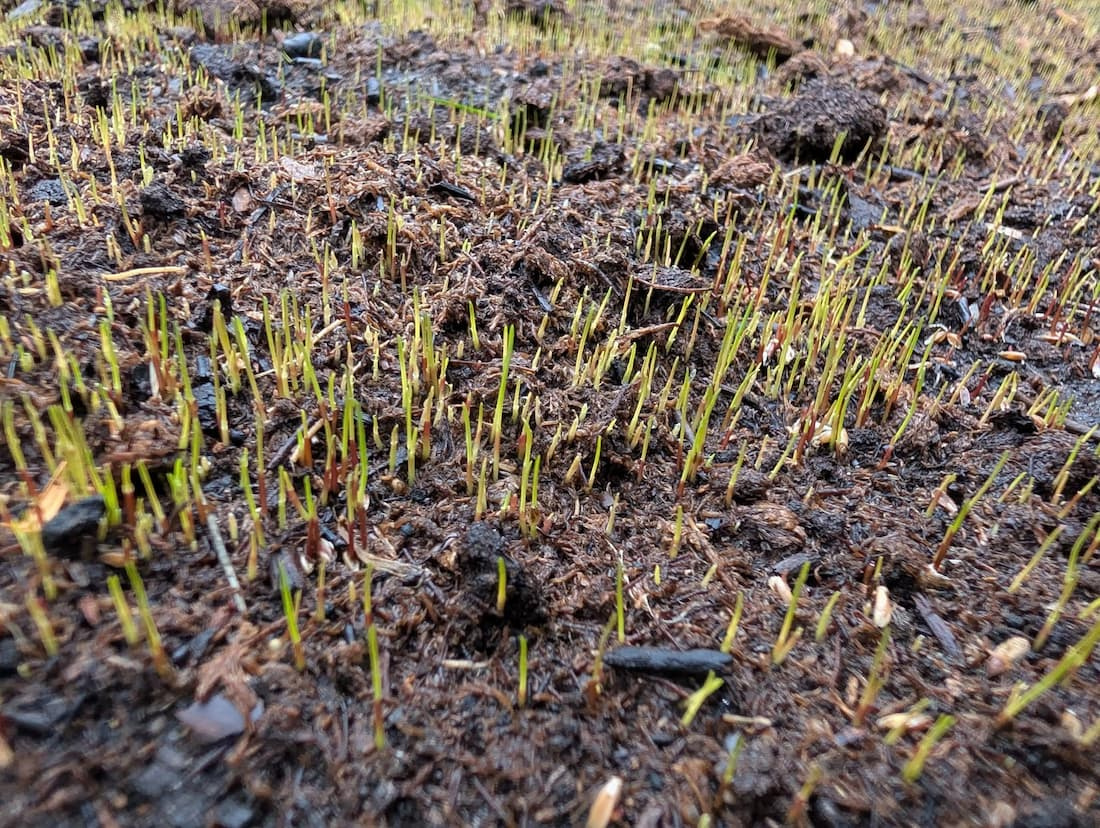
How to Establish a New Lawn From Bare Soil to First Mow
Bare soil doesn't turn into a lawn just because you scattered seed or rolled out sod — it becomes one based on a handful of specific steps done in the right order, matched to your specific grass. This guide walks through soil prep, seeding or planting method, starter fertilizer, watering as the grass grows, and knowing when it's actually safe to mow, for both cool-season and warm-season lawns.
Read Article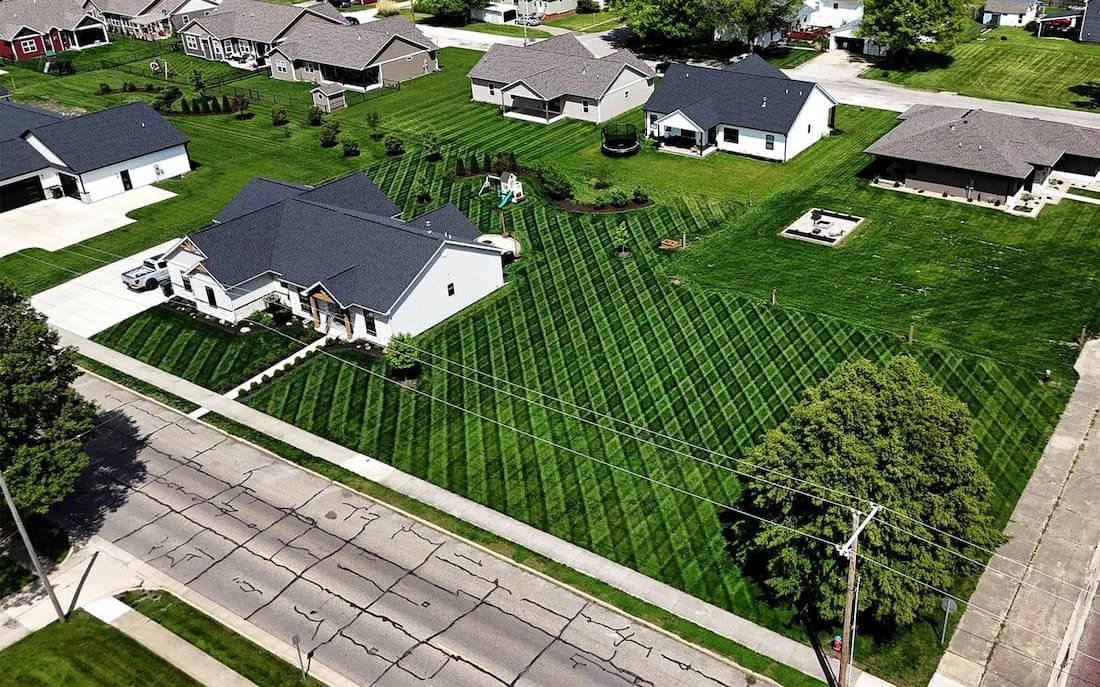
Cool Season vs Warm Season Lawn and Landscape Guide
Your lawn and your flower beds don't follow the same calendar — one runs on a cool-season engine, the other on a warm-season one, and using the wrong playbook on either can do real damage. This guide helps you figure out which system you actually have and how to care for it correctly, plus how the same cool/warm split applies to your ornamental beds.
Read Article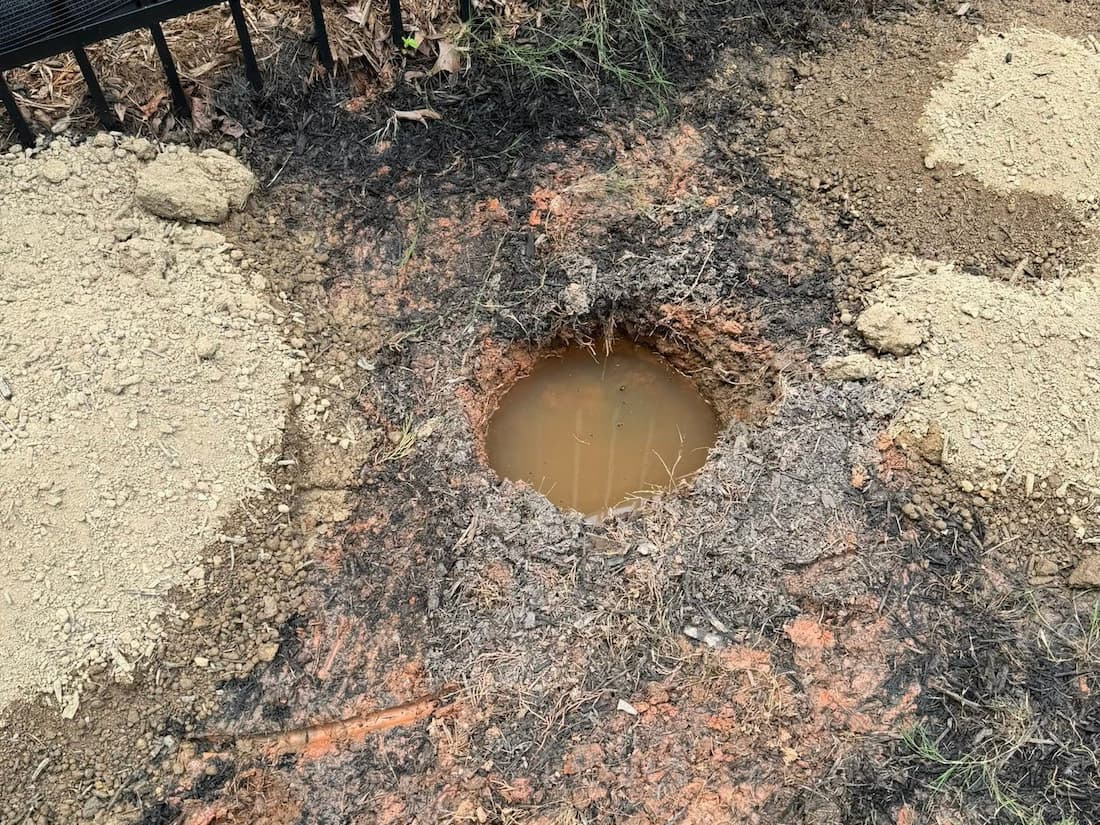
The Hole You Dug Is Killing Your New Plants
A shrub that looked fine all summer and stalled the next year usually didn't fail because of the plant, the weather, or the nursery. It failed because the hole it went into was a container — smooth-walled, water-holding, and impossible to root out of.
Read Article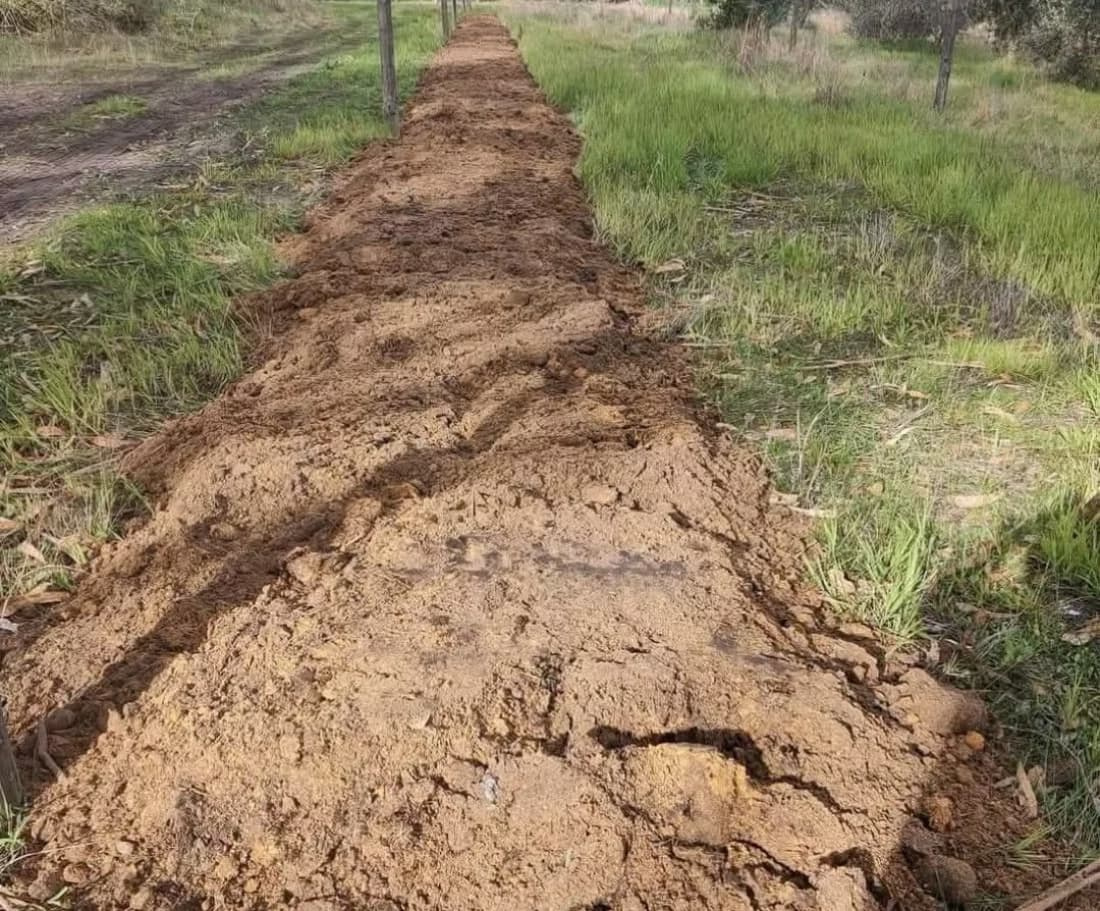
What You Can Actually Change About Bad Soil
Heavy clay and loose sand feel like permanent sentences, and half of that is true. What your soil is made of will not change. How those particles are arranged will — and that is the half that decides whether anything grows.
Read Article
Why Your Plants Survive Winter and Die in July
Your hardiness zone is built from one number — the coldest night of an average year. It says nothing about the hottest afternoon, which is what actually kills most plants people lose. Here's how to read the other half of the map.
Read Article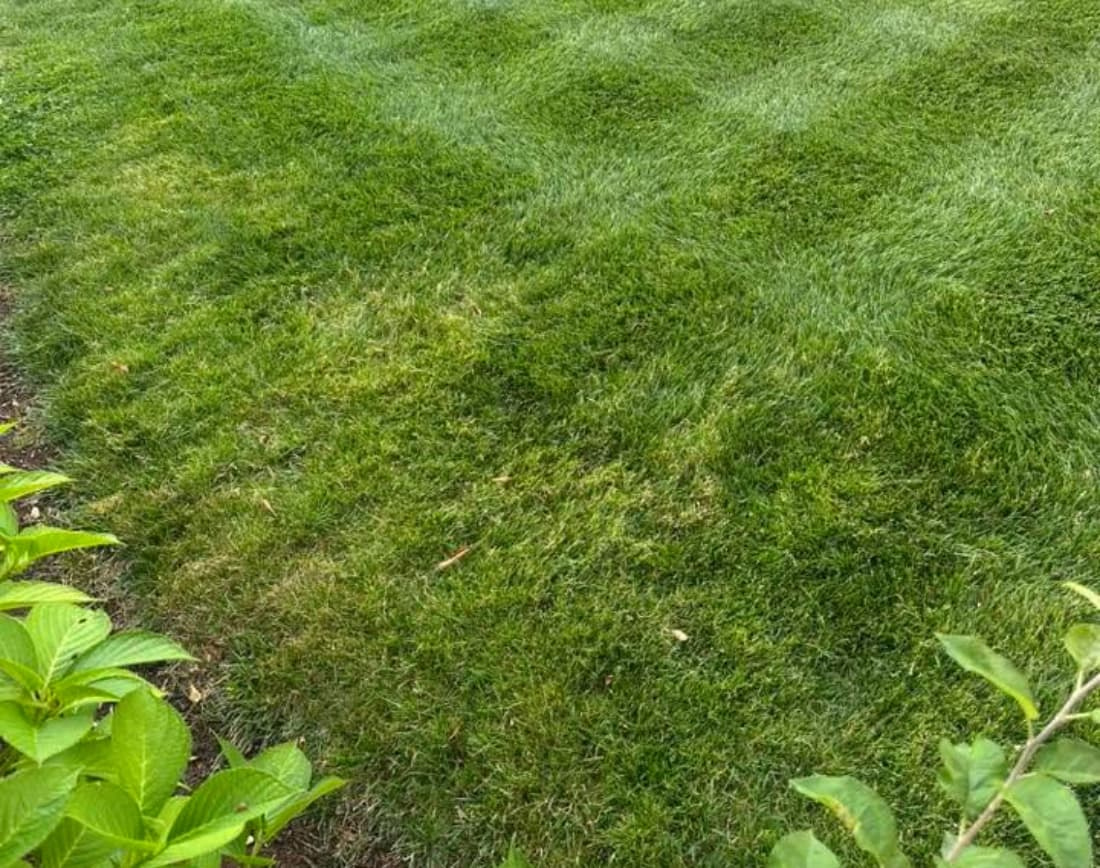
Why Poa Annua Keeps Coming Back — and the 3-Year Plan That Finally Ends the Cycle
You've pulled it. You've sprayed it. You've watched the little white seedheads mock you every single spring. And every fall, like clockwork, it's back — in the lawn, in the beds, in the cracks you didn't know you had. Here's the hard truth nobody at the big-box store will tell you: you're not losing because you're doing it wrong — you're losing because you're fighting the wrong enemy on the wrong timeline. Poa annua isn't a one-season problem, and once you understand why, the three-year plan below stops feeling like a chore and starts feeling like a countdown.
Read Article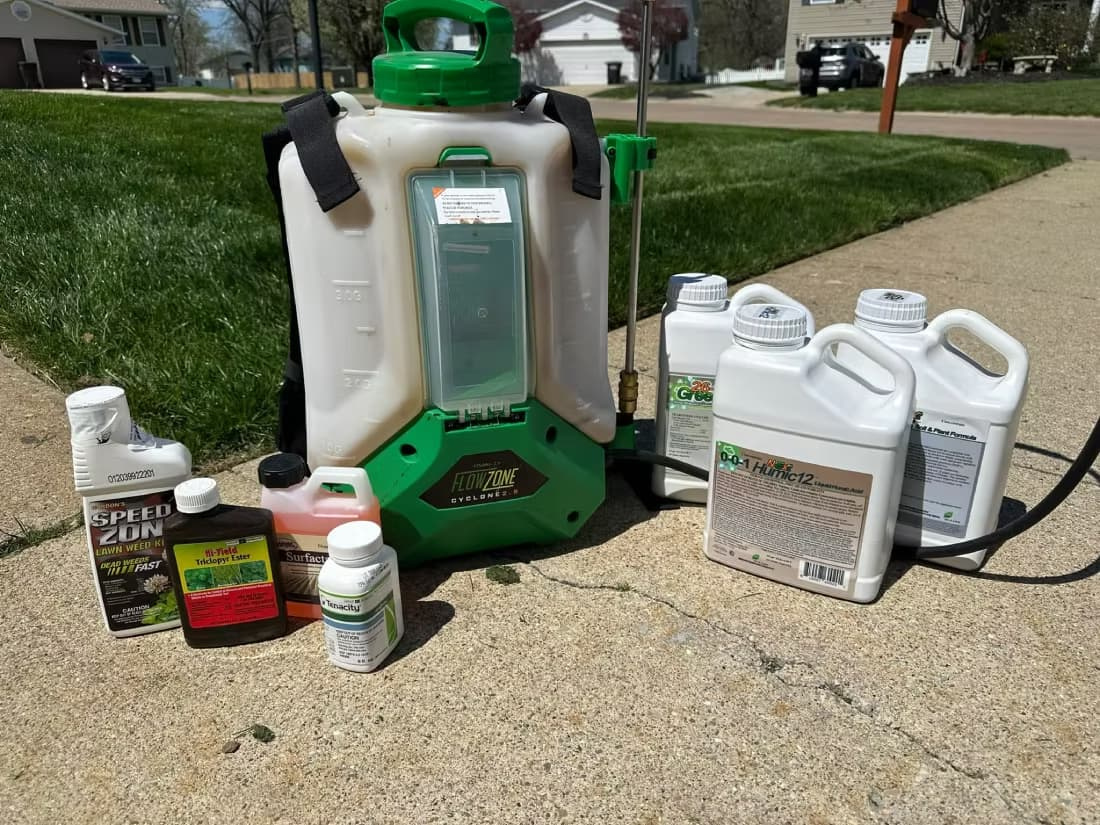
How to Apply Herbicides Correctly in Your Lawn and Garden Beds
Getting real results from a weed product has almost nothing to do with the brand on the bottle and everything to do with matching the method to the moment — the right chemistry, in the right place, at the right time. Learn how to apply herbicides correctly across both your lawn and your garden beds, whether you’re stopping weeds before they sprout or killing the ones already growing, without wasting product or harming the plants you want to keep.
Read Article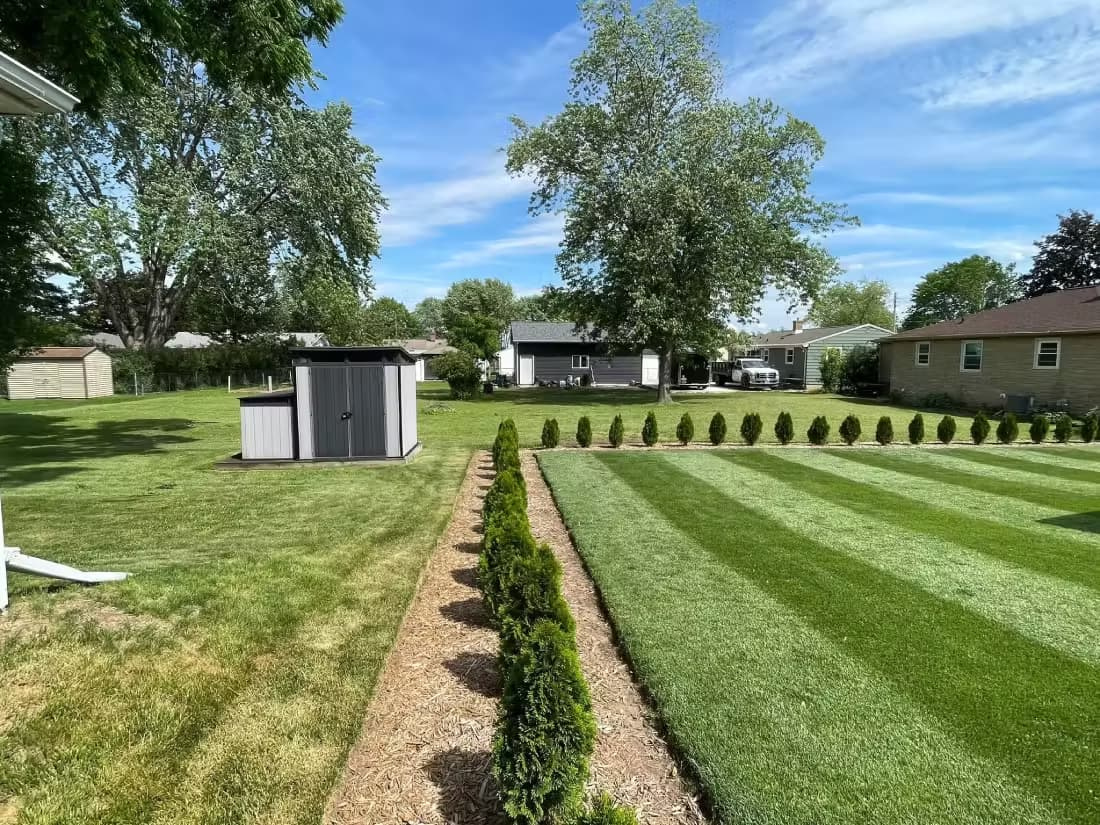
How to Kill Weeds Where Two Lawns Meet Without Harming Your Neighbor’s Grass
Controlling weeds along a shared property line is where good intentions quietly backfire—the season that's safe for your own lawn is often the season the lawn next door is most easily harmed. Learn the seasonal timing collision behind most fence-line damage, and the two habits that prevent it—reading what's actually in the bottle and spraying directed instead of broadcast—so you can clear the weeds without hurting your grass, your neighbor's, or the peace between you.
Read Article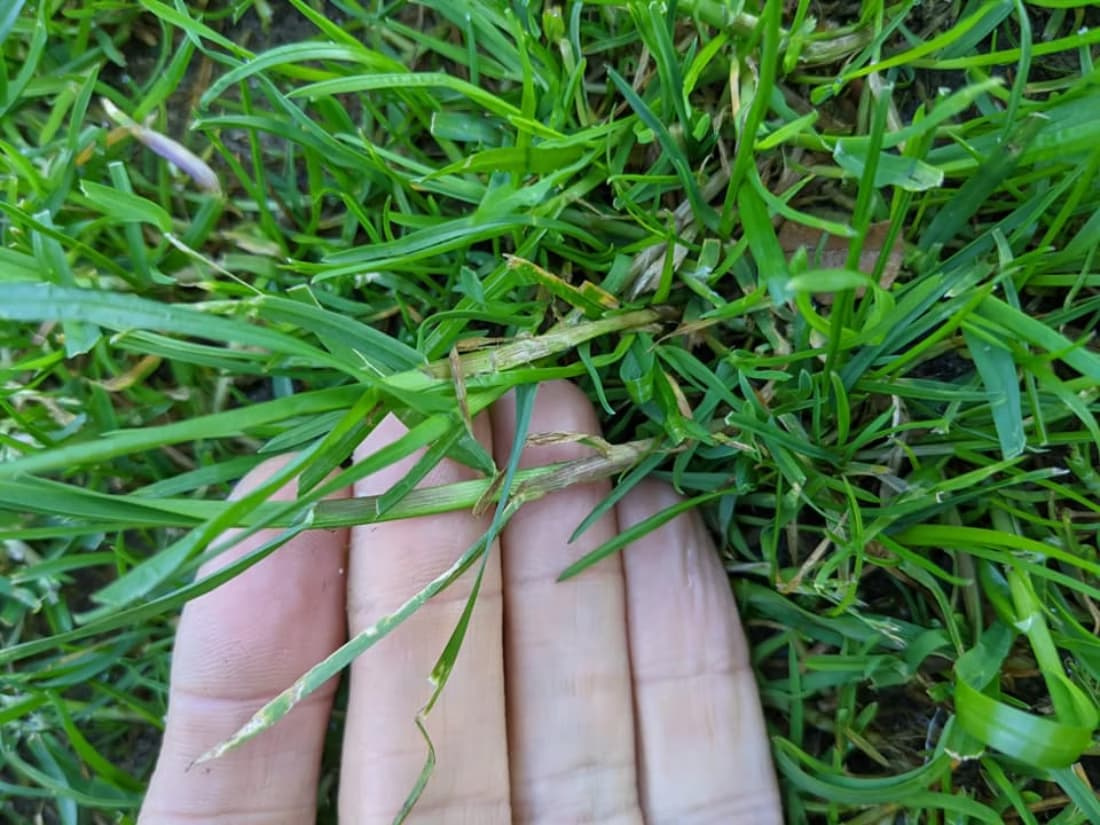
The Truth About One-and-Done Weed Control
Most homeowners lose the fight against weeds not because they work too little, but because they act before they understand. One-and-done weed control is real — but it only works when identification, timing, and the right tool all line up. This guide explains how that sequence works across your lawn and your ornamental beds, and how each weed page in the MFY hub puts it into practice for your specific invader.
Read Article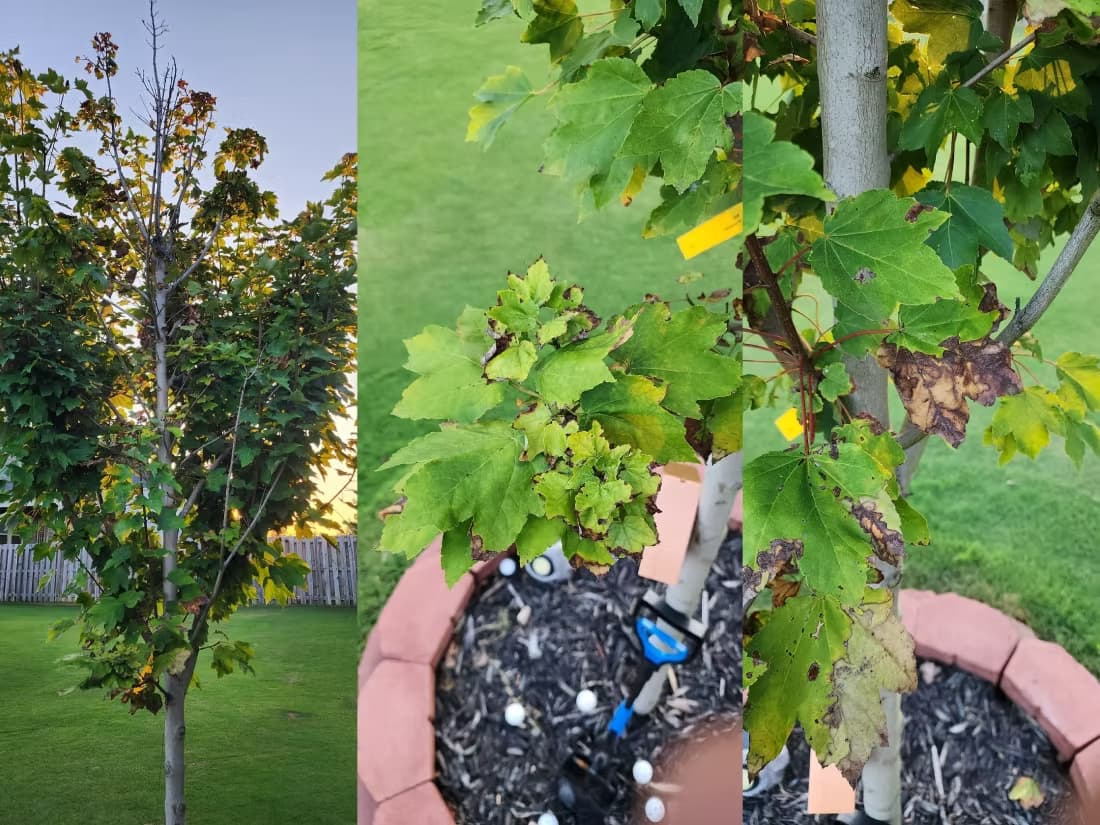
Solving the Mystery of the False Evidence in Your Lawn and Landscape
A brown leaf or a yellowing lawn is rarely what it seems. When symptoms act as decoys, a calm, forensic approach brings clarity to the confusion. Learn how to look past the surface to find the quiet truth of what your plants are truly asking for.
Read Article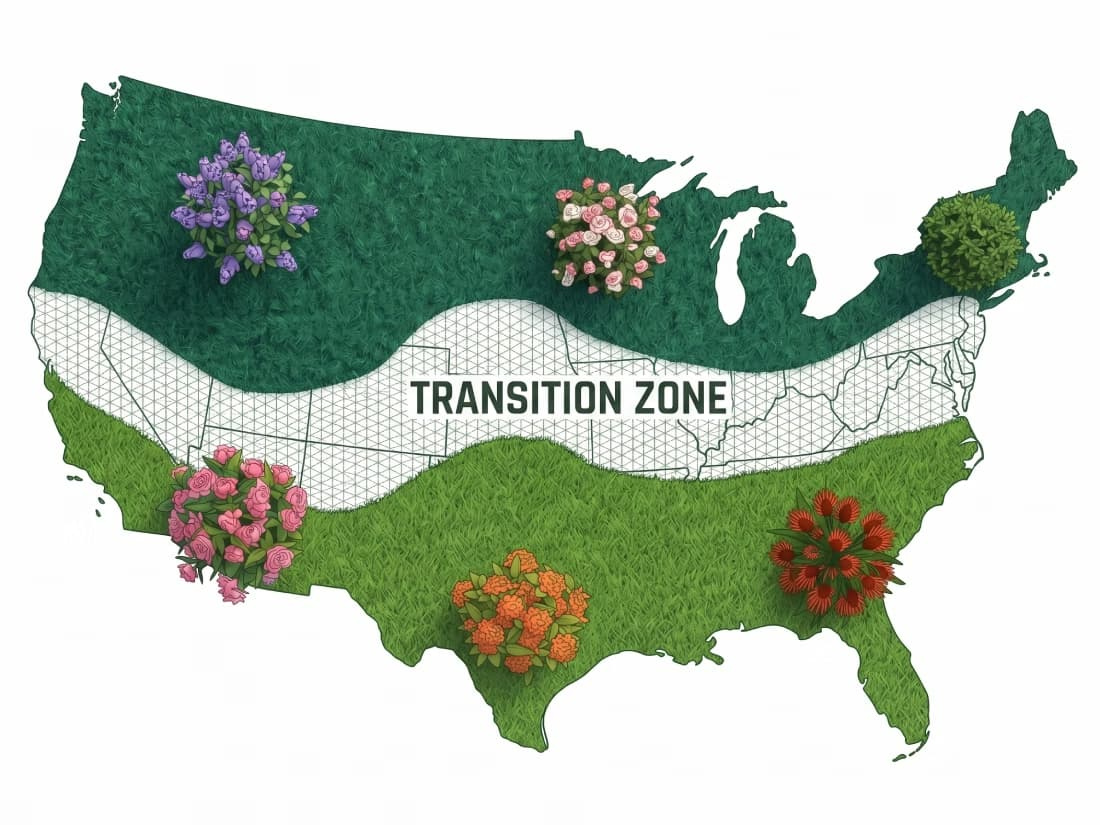
Living in the Middle: The Deep-Dive Guide to Transition Zone Lawns and Landscapes
The Transition Zone is a biological tug-of-war where neither northern nor southern species perfectly adapt. By using resilient "bridge" species and mastering maintenance levers like the Mowing Pivot, you can transform a struggling yard into a healthy landscape.
Read Article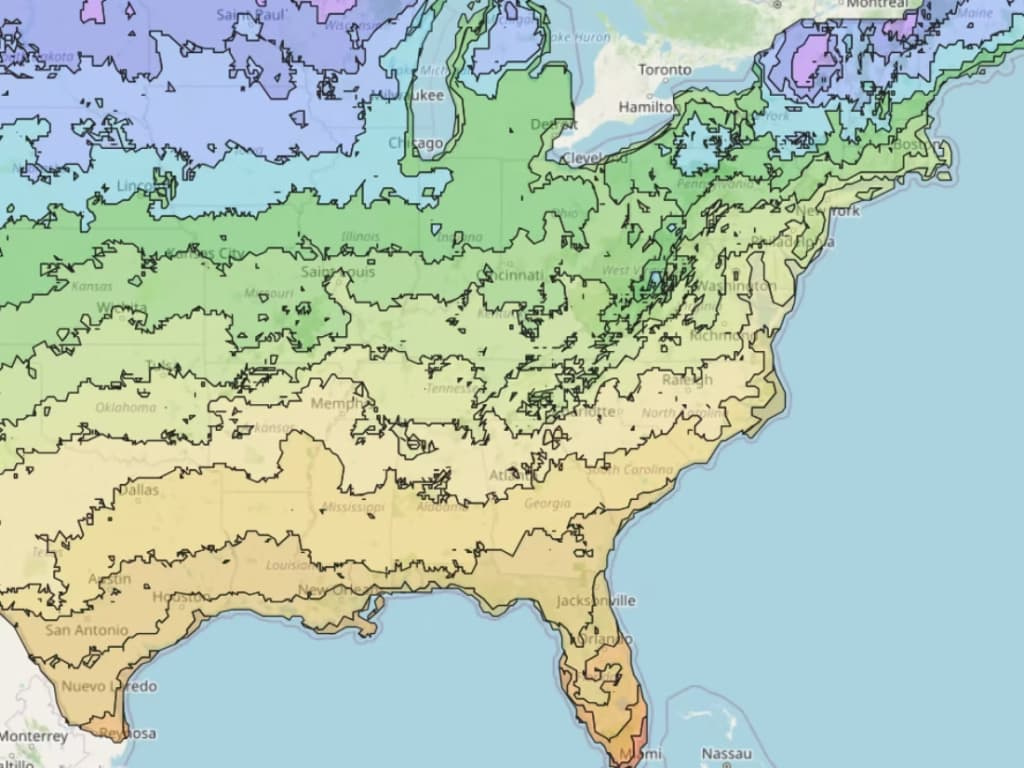
What Your Hardiness Zone Really Means for Your Lawn and Plants
Uncover the foundation of a resilient landscape by mastering the science of hardiness zones. Learn how these climate boundaries are calculated and why understanding your local temperature limits is the first step toward choosing plants that thrive year after year.
Read ArticleFrequently Asked Questions
These FAQs replace forum guesswork with research-backed data from leading agricultural institutions. We provide proven facts to ensure your yard care is grounded in the science of how your soil actually works.
Four inches of settled topsoil is the bare minimum for turf to survive, and at that depth it will be drought-prone all summer. Six to eight inches is where a lawn becomes genuinely resilient, with enough water reserve to ride out a dry spell and enough root anchorage to take traffic. Below four inches you are into specialized ground covers, sedums, or mosses rather than a conventional lawn. Dig three or four test pits to find out what you actually have.
Depends on how much rock. Removing loose surface stones over about 2 inches across is worth doing when you prepare a bed, and it improves things measurably. But once stone exceeds roughly 30 percent of the soil volume, screening it out becomes an enormous job for a modest gain — you are moving tons of material to recover inches of depth. At that point building raised beds and filling them with imported soil is faster, cheaper, and gives a better result.
Yes, with one important step. Blend the bottom inch of the imported topsoil into the top inch of what is already there rather than laying it down as a clean layer. A sharp boundary between two different textures stops water crossing it, so you get a perched water table sitting right in the new root zone — soggy on top, dry below, roots confined to the added layer. Mixing the interface gives water a continuous path and lets roots grow down into the original soil.
Because there is no reserve underneath. Shallow soil holds a small total volume of water, and once roots have used what is in those top few inches there is nothing deeper to draw on. A lawn over 12 inches of soil might go a week or more between waterings; the same lawn over 4 inches runs out in two days. Watering more heavily will not help — the extra runs off or drains past the rock. Water lightly and more often instead.
No, and it is more likely to hurt. A small soil volume means very little water to dilute fertilizer salts, so a normal rate concentrates around the roots and burns them. Rock fragments also hold no nutrients whatsoever, so a soil that is 40 percent stone has roughly 40 percent less capacity to store what you apply. Use slow-release or organic fertilizers at reduced rates, applied more often, and put the effort into building organic matter instead.
Dig into it when the soil is moist. A compacted layer is dense but it is still soil — heavy digging will eventually break through, and a screwdriver leaves a mark even where it will not penetrate. Bedrock or a boulder layer gives absolute resistance, often with a metallic clank against the spade. The distinction matters because compaction responds to core aeration over a few years, while shallow rock does not respond to anything except building upward or replanting.
Scientific Authority
This profile is built on soil science and real-world field trials. Every tip—from watering to feeding—is backed by university research to ensure your soil’s 'hardware' stays healthy and sustainable for the long term.
Primary Resources
- USDA-NRCS — Soil Survey Manual, Chapter 3: Examination and Description of Soil Profiles
- USDA-NRCS — Web Soil Survey (for mapped depth to bedrock at your address)
- USDA-NRCS — Official Series Descriptions
- USDA-NRCS — Illustrated Guide to Soil Taxonomy
- Texas A&M AgriLife Extension — Landscaping on Shallow Hill Country Soils
- Colorado State University Extension — Soils, Fertilizers, and Soil Amendments (Colorado Master Gardener)
- University of Florida IFAS Extension — Landscaping on Shallow Calcareous Soils
- NC State Extension — Soils and Plant Nutrients, Extension Gardener Handbook
- USDA-NRCS — Soil Health Guide: Soil Organic Matter