
Observations: Thin turf, standing water, plantain and knotweed
Compacted
Squeezed so tight that neither roots nor water can move through it
Compacted At-a-Glance
Diagnostic Threshold
Stops at 2 inches
Remediation Difficulty
Moderate
Recovery Timeline
Multi-year
How to Identify Compacted
Compaction is mechanical. Weight presses soil aggregates together, the large pores that carried air and water collapse, and bulk density rises past the point where roots can push through.
Above ground you see thin turf, water standing after ordinary rain, runoff on slopes, and a specific set of weeds moving in — broadleaf plantain, prostrate knotweed, and annual bluegrass all tolerate density that grass cannot. Dig down and the soil is dense and structureless, and roots are short, thick, and turned sideways.
Test it with a screwdriver. After rain or a thorough watering, push a standard 6-inch screwdriver into the soil with moderate hand pressure. If it will not go past 2 inches, the soil is compacted beyond what roots can handle. Do it when moist — dry soil is hard everywhere.
Forensic Signs
What separates compaction from the conditions it resembles:
- A screwdriver stopping within 2 inches of moist soil. Test an unaffected part of the yard for comparison.
- Dense, platy, or structureless subsoil with none of the soft crumb aggregates a healthy soil breaks into.
- Roots that are short, thickened, swollen at the tips, or growing sideways in flat sheets.
- Broadleaf plantain, prostrate knotweed, and annual bluegrass concentrated in the worst spots.
- Damage following a pattern — mower wheel tracks, the path to the gate, the dog’s route along the fence.
- Soil that stays impenetrable even when thoroughly wet. Heavy clay that is not compacted yields to a screwdriver once moist; compacted clay does not.
- Water pooling on a slope rather than soaking in, which points to surface sealing as well as depth compaction.
Where It Shows Up
Compaction follows weight and traffic. Look for it along mower wheel paths, in dog runs, on the shortcut everyone takes across the lawn, under parked vehicles, and anywhere construction equipment operated. On new builds it is often present across the whole lot before the turf ever goes down.
Fine textures are most vulnerable because they have no coarse skeleton propping the structure open. Silt Loam, Silty Clay Loam, Clay Loam, Silty Clay, and Clay all compact readily, and silty soils worst of all.
Timing matters as much as texture. Traffic on wet soil causes far more compaction than the same traffic on dry soil, because water lubricates the particles and lets them slide into a tighter arrangement. One afternoon of mowing a saturated lawn can undo a year of aeration.
Why Precision Matters: Treating the Root Cause
Noticing that your grass looks "off" or that water is pooling is a great start, but in yard care, the symptoms of different conditions often look exactly the same. Guessing whether your soil is acidic or just low on nutrients often leads to wasted effort and money on treatments that don't work. To truly fix a problem, you need a precise diagnostic that moves beyond a simple hunch.
We’ve built a specialized tool to give you that clarity. It’s completely free (and always will be), requires no signup or email, and is designed so you can return to your results whenever you need to adjust your recovery plan.
The MFY Soil Profile Builder
Our tool helps you move from observing a symptom to identifying the actual condition. By guiding you through simple field tests and sensory checks—like checking your soil’s pH or physical resistance—the tool handles the interpretation for you, delivering a clear diagnostic profile. This ensures you aren't just treating the "look" of your yard, but are addressing the specific state of your soil so it can get back to supporting healthy growth.
Build Your ProfileThe Diagnostic & Recovery Roadmap
One distinction decides whether your effort works or backfires. Hollow tines pull a plug of soil out, which gives the surrounding soil somewhere to expand into. Solid spikes push soil sideways, compressing it further around every hole. Aerator sandals and spike rollers fall in the second category and make compaction worse while feeling like maintenance. If the machine is not leaving plugs on your lawn, it is not relieving compaction.
Biological Impact
Roots are confined to the top 1 to 3 inches, which caps the water and nutrients the plant can reach and makes it fail early in any dry spell. Root tips thicken and turn sideways when they meet resistance rather than pushing through.
With the large pores gone, gas exchange stops. Carbon dioxide builds up around the roots and oxygen runs short. Earthworms, mites, and burrowing insects lose the pore habitat they live in and disappear, which removes the biology that would otherwise be reopening those channels for you.
Chemical Blockade
Nothing is chemically locked up here, but two nutrients become unreachable anyway. Phosphorus and potassium barely move through soil — roots have to grow to them. A root system confined to 2 inches simply never contacts most of what is there, so a soil test can read adequate while the plant shows deficiency.
Where compaction also causes waterlogging, denitrification kicks in and applied nitrogen is lost to the air as gas. You end up paying for fertilizer the lawn cannot use.
Immediate Stabilization
Stop adding to it, then open what you can this season.
- Keep vehicles, equipment, and foot traffic off the affected area entirely.
- Do not mow or work the soil while it is wet. This is when nearly all compaction happens.
- Core aerate as soon as the soil is moist but not saturated, using hollow tines.
- Topdress a quarter inch of mature compost over the open holes so they do not slump shut.
- Change your mowing route so the wheels stop tracking the same lines every week.
Structural Remediation
Recovery is mechanical disruption plus organic matter, repeated. Expect 2 to 5 years of annual treatment for full structural recovery, not one weekend.
- Hollow-tine core aeration — plugs 2 to 3 inches deep at 20 to 30 holes per square foot. Leave the cores on the surface to break down. Rental runs $60 to $100 a day, or roughly $50 to $150 per 1,000 sq ft professionally.
- Time it for early fall on cool-season lawns, late spring on warm-season.
- Compost incorporation in beds — spread 2 inches and work it 6 to 8 inches deep. Roughly $40 to $80 per 1,000 sq ft per inch. This one improves structure immediately.
- Never use solid spikes or aerator sandals. They compress soil laterally and make the problem worse.
- Not worth doing under mature trees. Aggressive coring shreds structural roots. Lay 3 to 4 inches of wood chip mulch instead and let soil life do the work slowly.
Prevention Rhythm
Prevention is almost entirely about traffic and timing.
- Core aerate annually — early fall for cool-season grass, late spring for warm-season.
- Vary the mowing pattern every week so wheels never follow the same track twice running.
- Put stepping stones or a path where people actually walk, rather than where you wish they would.
- Never run mowers, tillers, or vehicles on wet soil. No single rule matters more.
- Keep 3 inches of organic mulch on ornamental beds. It spreads any load and feeds the soil life that rebuilds structure.
The Strengths & Challenges of Compacted
The Bright Side:
Compacted ground carries weight well, which is exactly what you want beneath paths, patios, and garden structures.
Slightly raises plant-available water in very coarse sands by compressing pores that were too large to hold anything.
A firm settled surface resists wind and water erosion better than freshly tilled loose soil does.
Fully reversible with hollow-tine aeration and compost, unlike bedrock or a high water table.
The Main Hurdles:
Confines roots to the top 1 to 3 inches, so plants fail early in any dry spell regardless of watering.
Blocks water from soaking in, producing standing water on flat ground and runoff and erosion on slopes.
Cuts off gas exchange, starving roots of oxygen and encouraging root rot pathogens.
Takes 2 to 5 years of annual aeration to fully reverse, so there is no quick fix once it is established.
Condition Compatibility & Relationships
Plants That Love This Condition
Plants that succeed in compacted ground either have roots strong enough to force a path through dense soil, or they are tough enough to live within a shallow layer. Urban and street-tree species are the reliable group, because they have been selected for exactly these conditions.
Trees
- Honeylocust — a standard urban street tree precisely because it tolerates compacted, low-oxygen root zones.
- Kentucky Coffeetree — deep taproot with the force to penetrate dense layers, and a large shade tree once established.
- Hackberry — tough, adaptable, and untroubled by compaction or the poor drainage that comes with it.
Perennials and grasses
- Coneflower — deep taproot that pushes through dense soil and opens a channel behind it.
- Baptisia and Little Bluestem — prairie natives with root systems evolved for heavy soils, and among the best biological aerators you can plant.
- Daylily — thick fleshy roots that cope with density and drought together.
- Switchgrass — deep fibrous roots that open channels through compacted layers over several seasons.
Grasses That Love This Condition
What matters here is root penetration force — the pressure a root can exert against dense soil. Grasses with thick aggressive roots push through; fine-rooted grasses buckle.
- Tall Fescue — the clear first choice. It has the thickest, most aggressive roots of the common turfgrasses and can generate enough radial pressure to force through dense soil. It also roots deep enough to reach water that compaction puts out of range for everything else.
- St. Augustinegrass — good tolerance in warm regions, spreading by thick stolons across the surface rather than depending on deep penetration.
- Bermudagrass — strong rhizomes and fast recovery, so it fills traffic-damaged areas back in rather than leaving bare patches.
- Zoysiagrass — its dense mat distributes foot traffic across a wider area, which reduces the point pressure that causes compaction in the first place.
Tall fescue on a compacted lawn, aerated annually, is about as robust a combination as home turf gets.
Plants That Struggle In This Condition
The plants that fail here have fine, delicate root systems that cannot generate the pressure needed to penetrate dense soil. They stall in the top couple of inches and then fail in the first dry spell.
- Flowering Dogwood — shallow fine roots and no tolerance for low-oxygen soil. A common casualty on new-build lots where construction traffic compacted the ground before planting.
- Azalea and Rhododendron — fine surface root mats that need loose, airy, organic soil and get none of it here.
- Japanese Maple — fine roots that stall against dense soil, and low tolerance for the poor drainage that accompanies compaction.
- Most newly planted shrubs — a nursery root ball is loose and open, and roots often refuse to leave it for surrounding compacted soil, leaving the plant permanently pot-bound in the ground.
Loosen a wide area rather than digging a deep hole. A narrow hole in compacted soil becomes a container the roots never escape.
Grasses That Struggle In This Condition
Fine root diameter is the problem. A thin root cannot exert enough pressure against dense soil and simply buckles instead of penetrating.
- Fine Fescues — the finest roots of the common cool-season grasses and correspondingly the least able to push through compacted soil. They are excellent on loose infertile ground and poor here.
- Kentucky Bluegrass — its rhizomes give it good recovery from surface wear, but the roots themselves are relatively fine and shallow, so it thins under sustained compaction rather than pushing through.
- Perennial Ryegrass — good wear tolerance at the leaf, poor penetration at the root. It handles being walked on better than it handles what walking does to the soil.
Worth noting that wear tolerance and compaction tolerance are different things. A grass can take heavy foot traffic on its leaves and still fail in the soil that traffic creates.
Deep Dives & Practical Guides
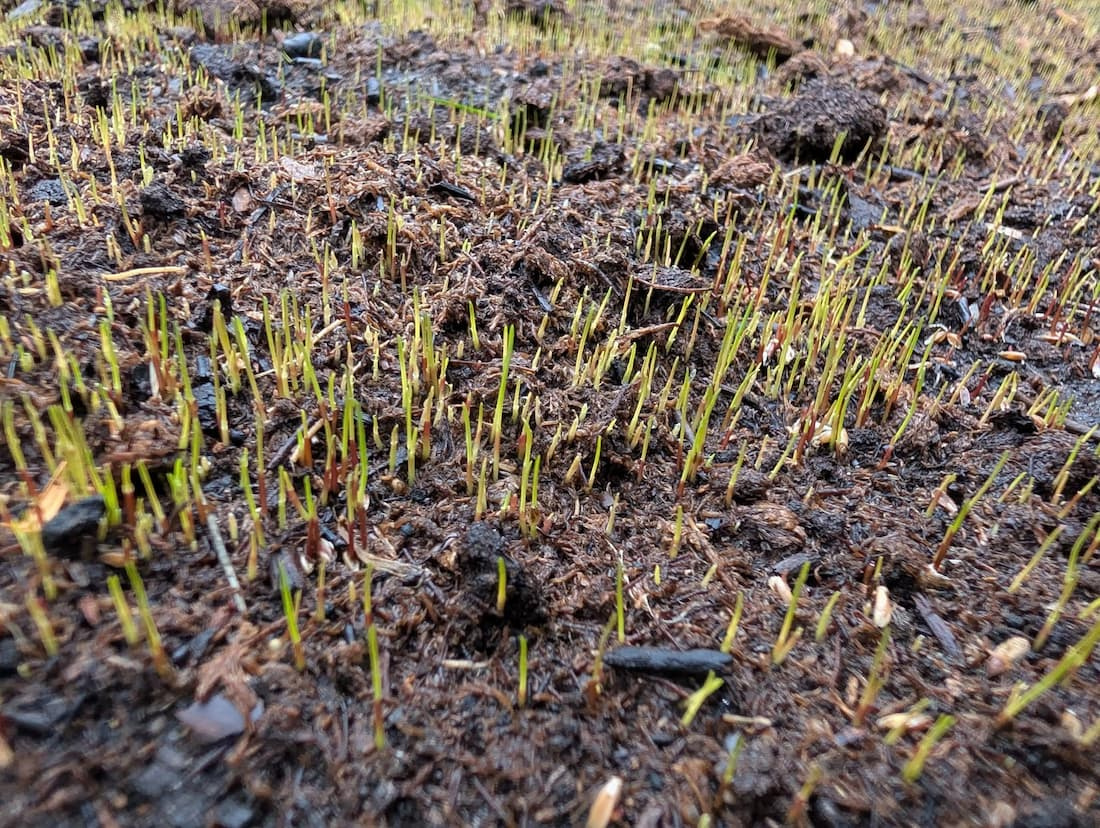
How to Establish a New Lawn From Bare Soil to First Mow
Bare soil doesn't turn into a lawn just because you scattered seed or rolled out sod — it becomes one based on a handful of specific steps done in the right order, matched to your specific grass. This guide walks through soil prep, seeding or planting method, starter fertilizer, watering as the grass grows, and knowing when it's actually safe to mow, for both cool-season and warm-season lawns.
Read Article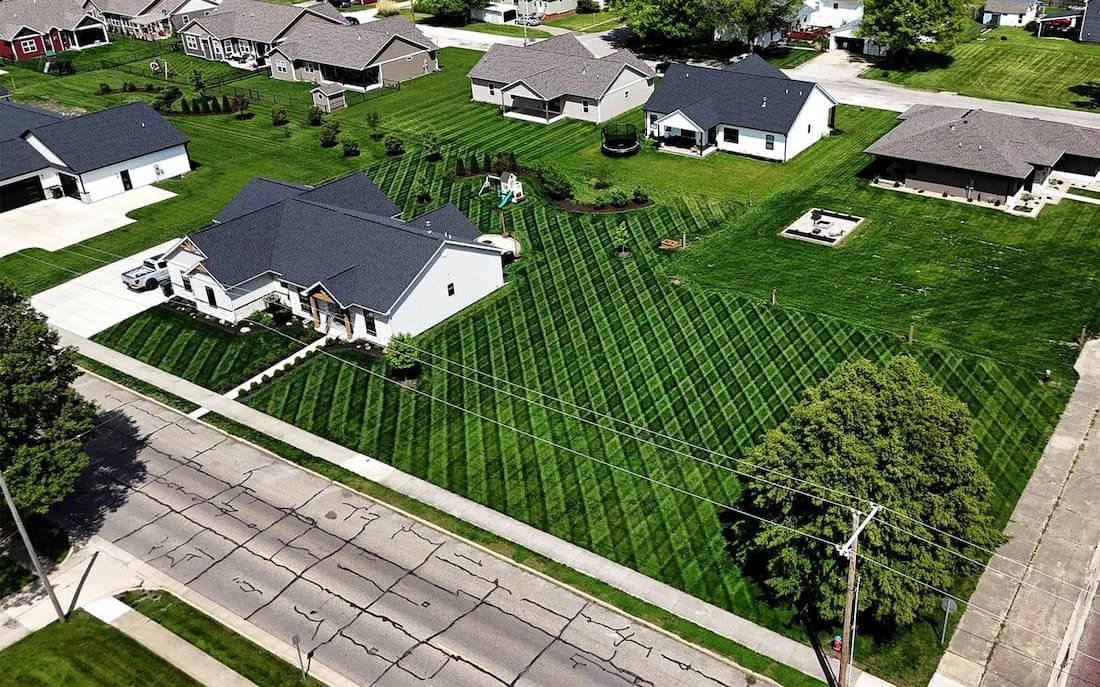
Cool Season vs Warm Season Lawn and Landscape Guide
Your lawn and your flower beds don't follow the same calendar — one runs on a cool-season engine, the other on a warm-season one, and using the wrong playbook on either can do real damage. This guide helps you figure out which system you actually have and how to care for it correctly, plus how the same cool/warm split applies to your ornamental beds.
Read Article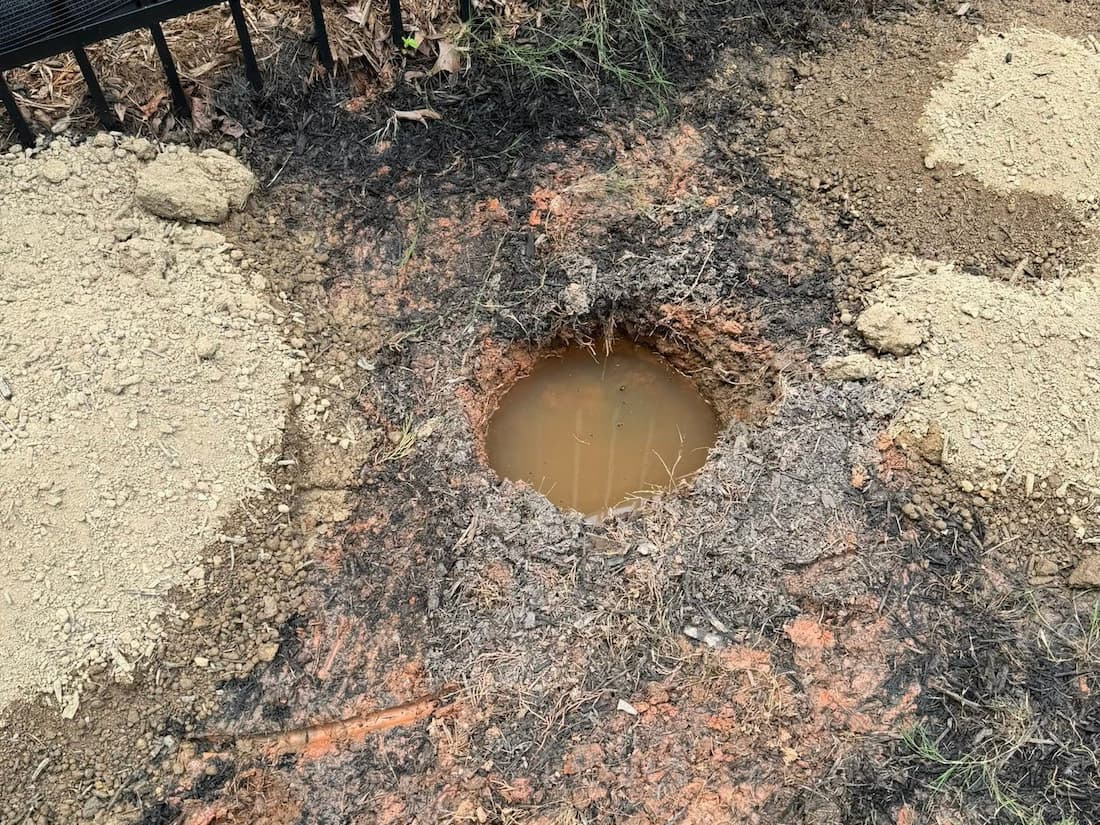
The Hole You Dug Is Killing Your New Plants
A shrub that looked fine all summer and stalled the next year usually didn't fail because of the plant, the weather, or the nursery. It failed because the hole it went into was a container — smooth-walled, water-holding, and impossible to root out of.
Read Article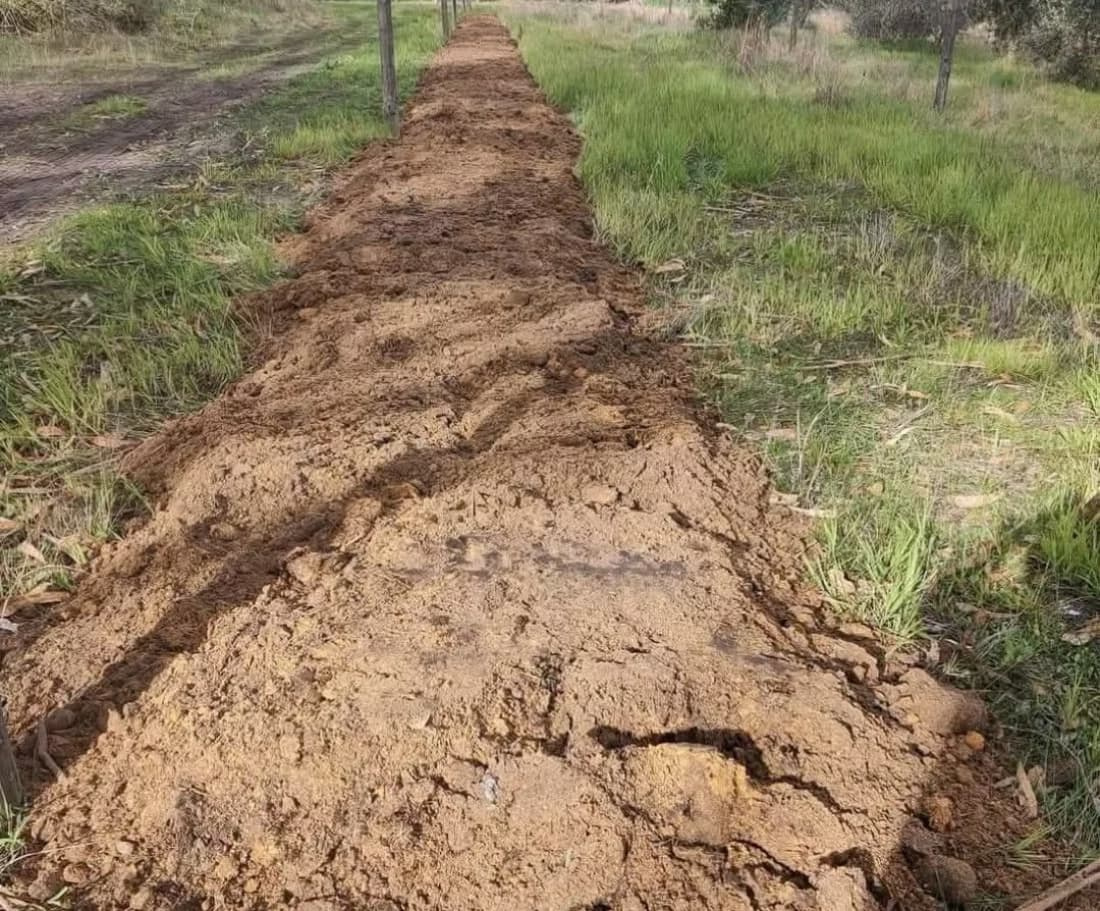
What You Can Actually Change About Bad Soil
Heavy clay and loose sand feel like permanent sentences, and half of that is true. What your soil is made of will not change. How those particles are arranged will — and that is the half that decides whether anything grows.
Read Article
Why Your Plants Survive Winter and Die in July
Your hardiness zone is built from one number — the coldest night of an average year. It says nothing about the hottest afternoon, which is what actually kills most plants people lose. Here's how to read the other half of the map.
Read Article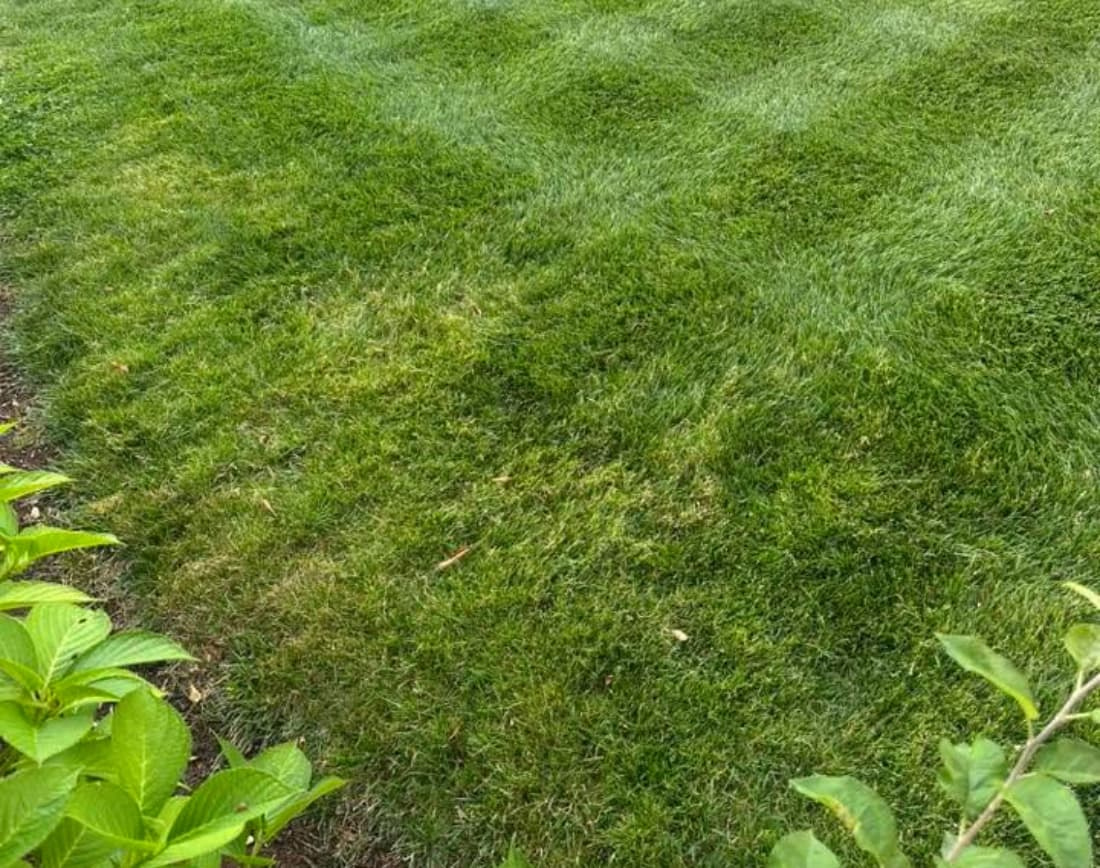
Why Poa Annua Keeps Coming Back — and the 3-Year Plan That Finally Ends the Cycle
You've pulled it. You've sprayed it. You've watched the little white seedheads mock you every single spring. And every fall, like clockwork, it's back — in the lawn, in the beds, in the cracks you didn't know you had. Here's the hard truth nobody at the big-box store will tell you: you're not losing because you're doing it wrong — you're losing because you're fighting the wrong enemy on the wrong timeline. Poa annua isn't a one-season problem, and once you understand why, the three-year plan below stops feeling like a chore and starts feeling like a countdown.
Read Article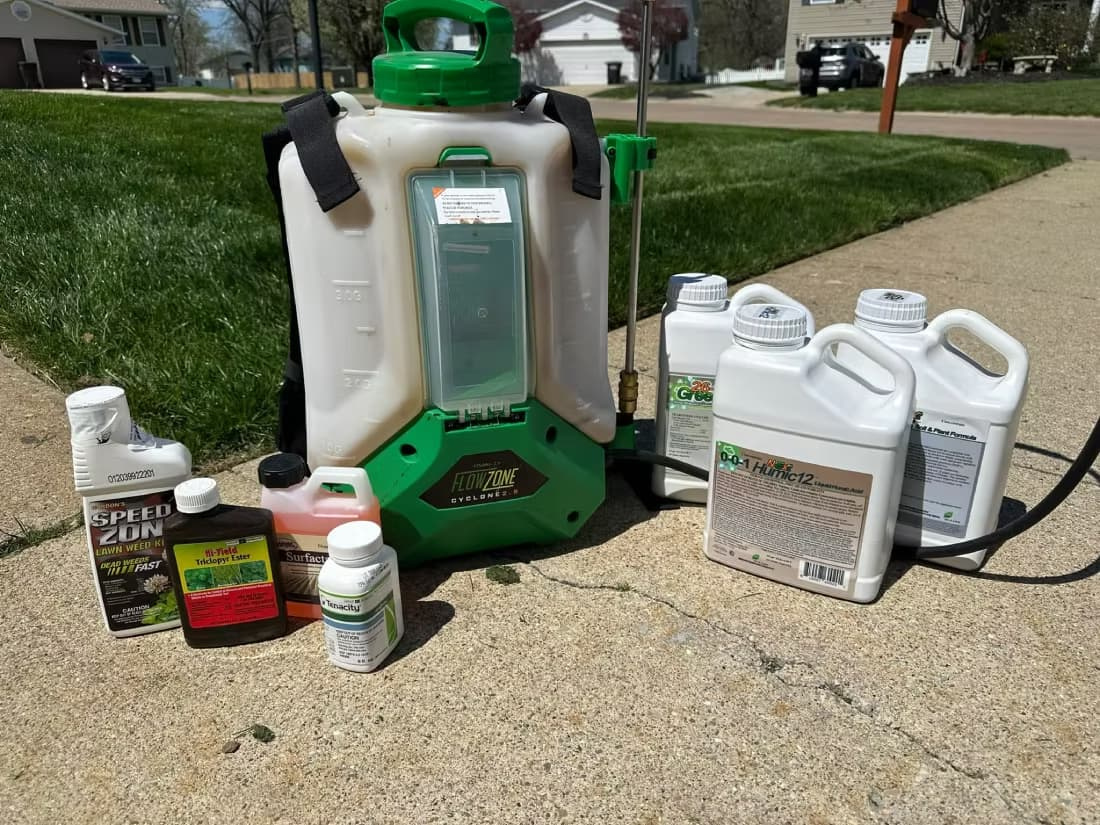
How to Apply Herbicides Correctly in Your Lawn and Garden Beds
Getting real results from a weed product has almost nothing to do with the brand on the bottle and everything to do with matching the method to the moment — the right chemistry, in the right place, at the right time. Learn how to apply herbicides correctly across both your lawn and your garden beds, whether you’re stopping weeds before they sprout or killing the ones already growing, without wasting product or harming the plants you want to keep.
Read Article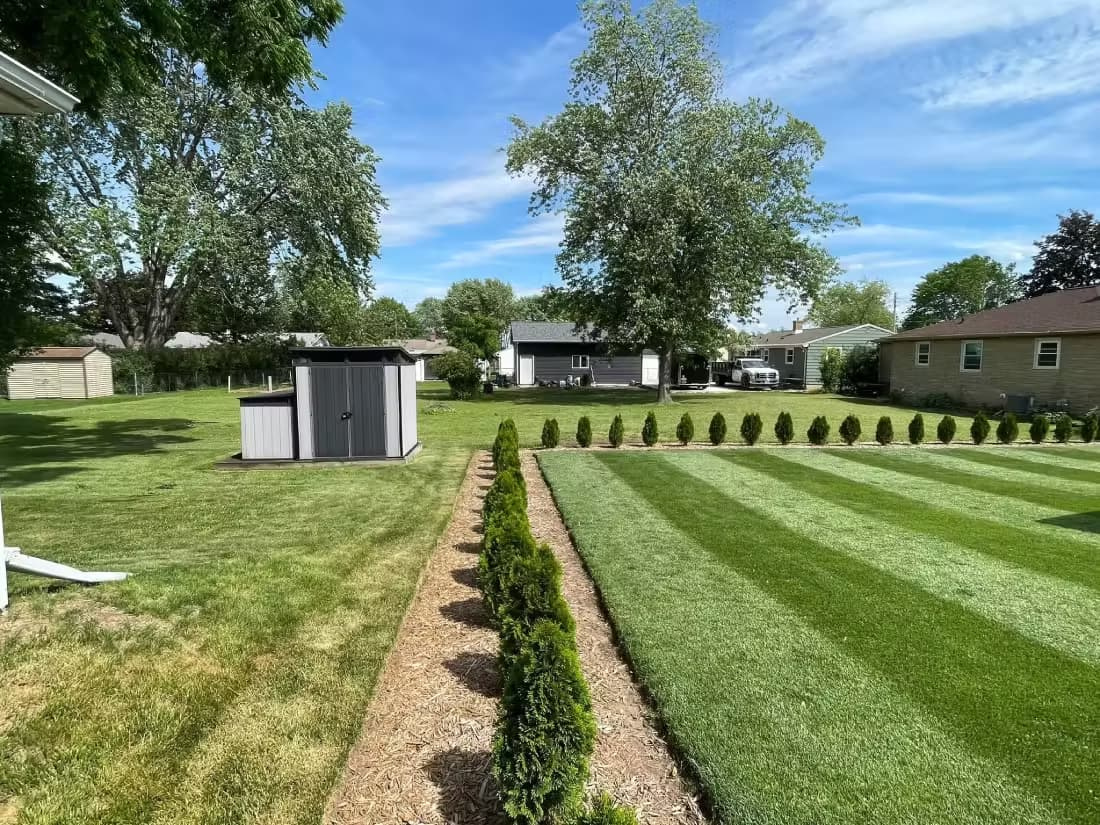
How to Kill Weeds Where Two Lawns Meet Without Harming Your Neighbor’s Grass
Controlling weeds along a shared property line is where good intentions quietly backfire—the season that's safe for your own lawn is often the season the lawn next door is most easily harmed. Learn the seasonal timing collision behind most fence-line damage, and the two habits that prevent it—reading what's actually in the bottle and spraying directed instead of broadcast—so you can clear the weeds without hurting your grass, your neighbor's, or the peace between you.
Read Article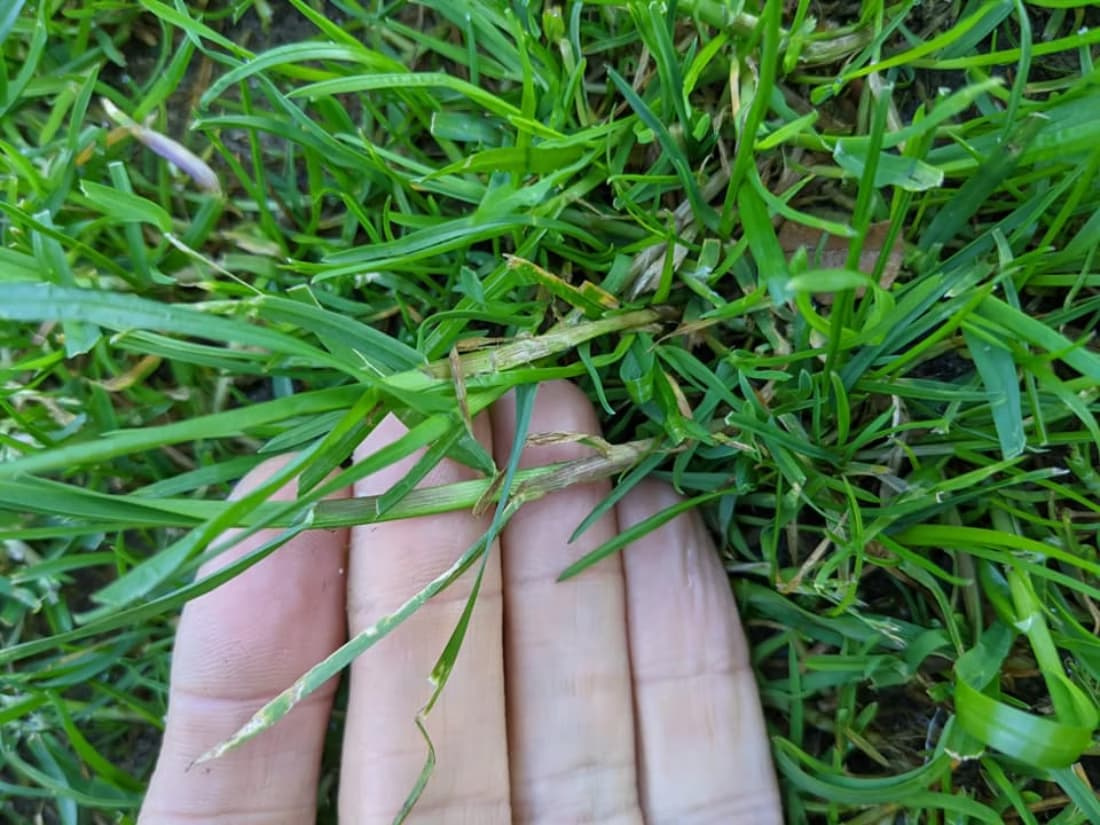
The Truth About One-and-Done Weed Control
Most homeowners lose the fight against weeds not because they work too little, but because they act before they understand. One-and-done weed control is real — but it only works when identification, timing, and the right tool all line up. This guide explains how that sequence works across your lawn and your ornamental beds, and how each weed page in the MFY hub puts it into practice for your specific invader.
Read Article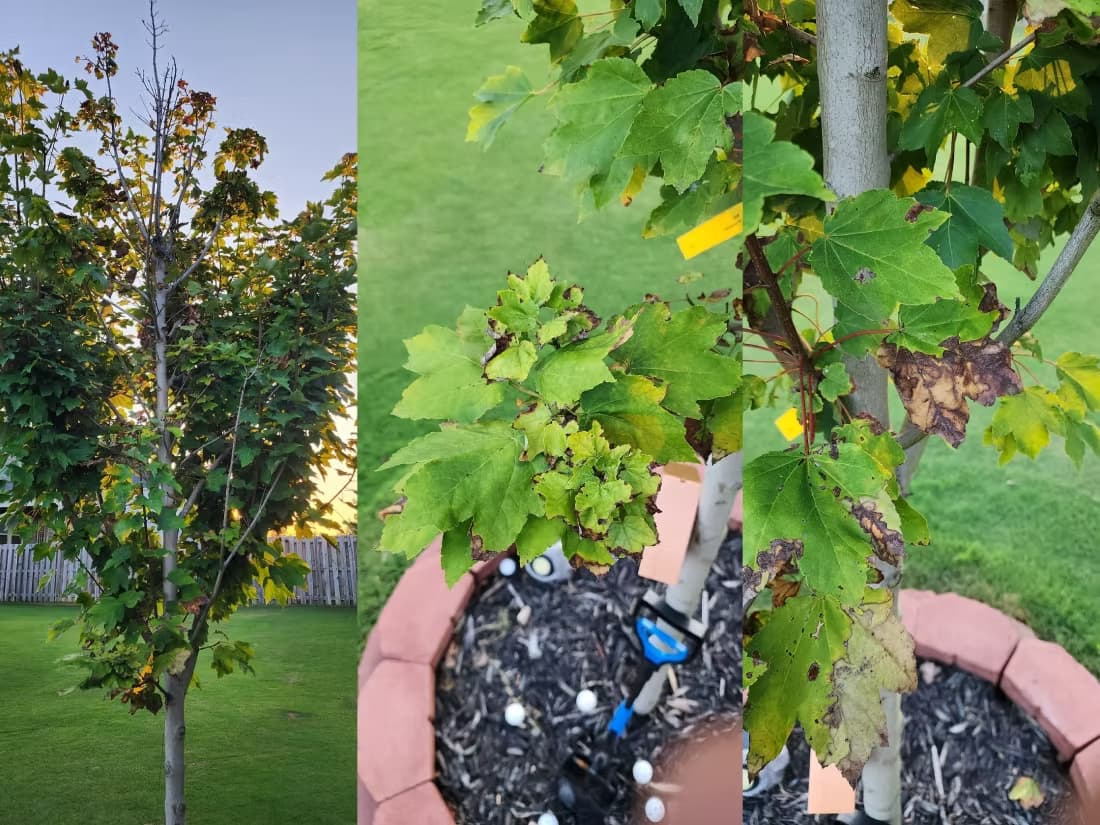
Solving the Mystery of the False Evidence in Your Lawn and Landscape
A brown leaf or a yellowing lawn is rarely what it seems. When symptoms act as decoys, a calm, forensic approach brings clarity to the confusion. Learn how to look past the surface to find the quiet truth of what your plants are truly asking for.
Read Article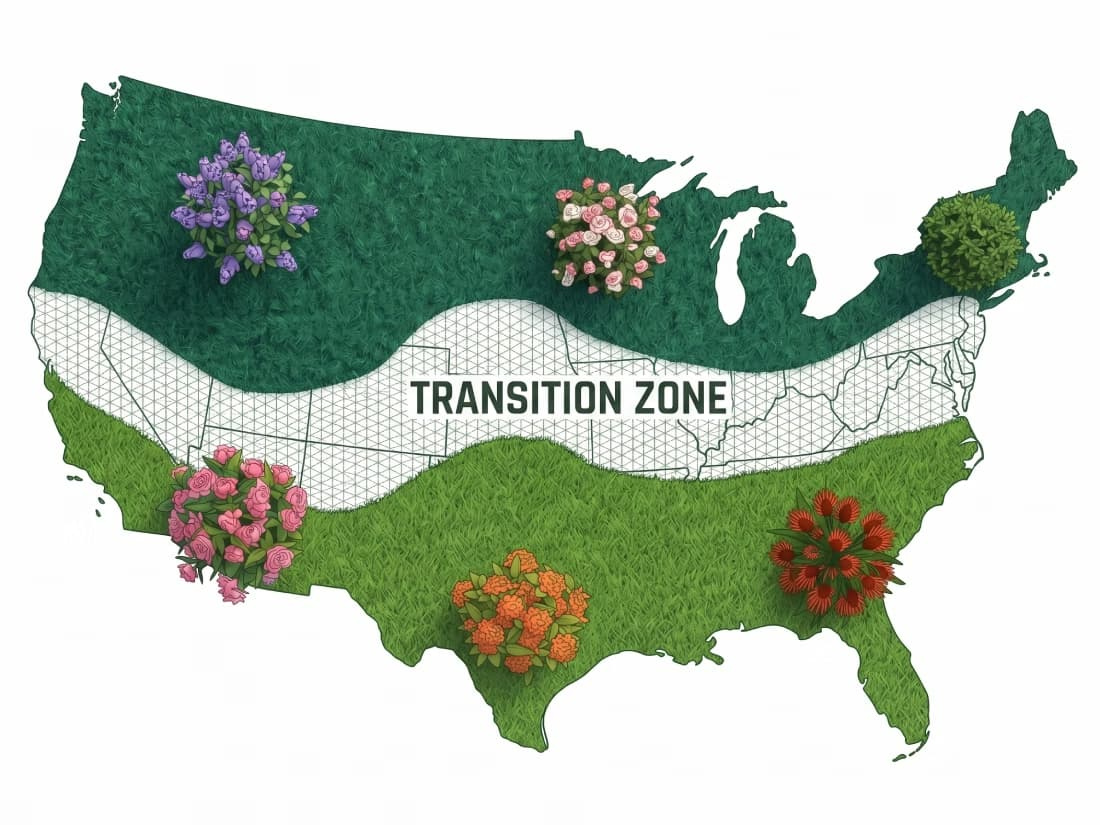
Living in the Middle: The Deep-Dive Guide to Transition Zone Lawns and Landscapes
The Transition Zone is a biological tug-of-war where neither northern nor southern species perfectly adapt. By using resilient "bridge" species and mastering maintenance levers like the Mowing Pivot, you can transform a struggling yard into a healthy landscape.
Read Article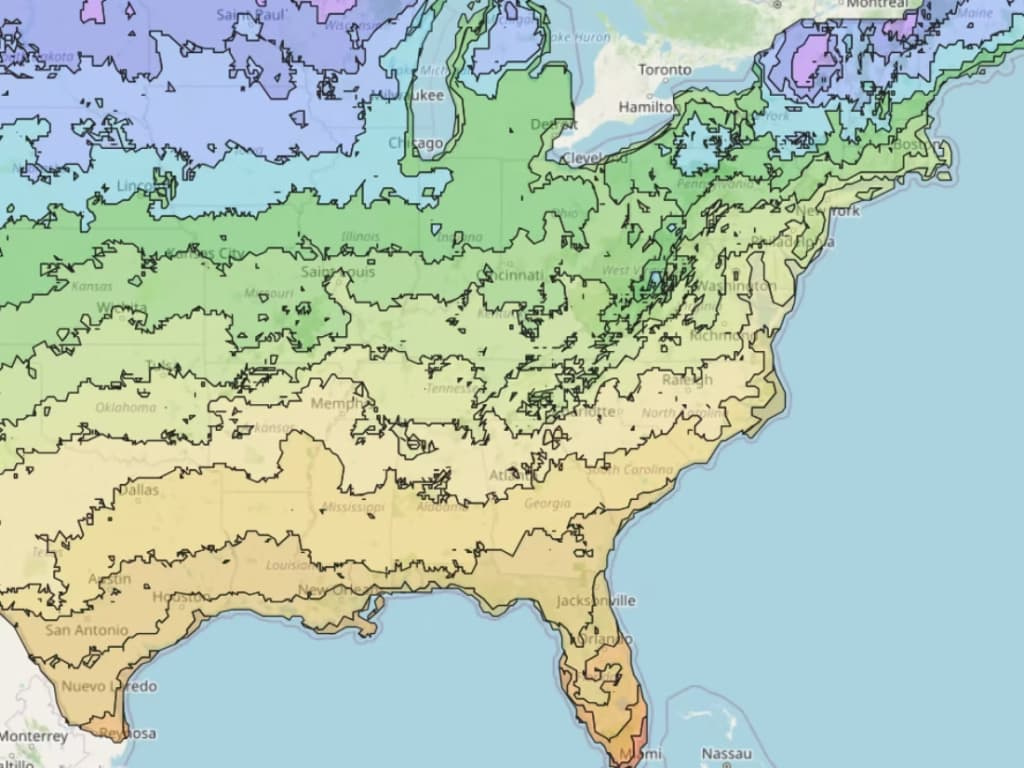
What Your Hardiness Zone Really Means for Your Lawn and Plants
Uncover the foundation of a resilient landscape by mastering the science of hardiness zones. Learn how these climate boundaries are calculated and why understanding your local temperature limits is the first step toward choosing plants that thrive year after year.
Read ArticleFrequently Asked Questions
These FAQs replace forum guesswork with research-backed data from leading agricultural institutions. We provide proven facts to ensure your yard care is grounded in the science of how your soil actually works.
No, and it can make things worse. A solid spike does not remove any soil — it pushes soil sideways as it goes in, which compresses the walls of the hole and the ground around it. You end up with a ring of denser soil at every point. A hollow tine physically extracts a plug and leaves a void, which gives the surrounding compacted soil somewhere to expand into. If your machine is not leaving cores on the lawn, it is not doing the job.
The screwdriver test. After rain or a thorough watering, push a standard 6-inch screwdriver straight into the lawn using moderate hand pressure. If it slides in most of the way, you are fine. If it takes real effort or stops within the top 2 inches, the soil is compacted past the point roots can handle. Do it when the soil is moist, because dry soil is hard everywhere, and test an unaffected part of the yard for comparison.
Early fall for cool-season grasses like Kentucky bluegrass, tall fescue, and perennial ryegrass, when the soil is moist and the turf is actively growing so it recovers fast. Late spring to early summer for warm-season grasses like bermudagrass, zoysiagrass, and St. Augustinegrass, as they enter their growth period. Either way, aerate when the soil is moist rather than dry or saturated. Dry soil damages the machine; saturated soil smears the hole walls closed.
No, and the difference decides whether aeration helps. Clay is a texture — the proportion of very fine particles — and it is permanent. Compaction is a structural condition, and it is reversible. The test is moisture. Wet a sample of undisturbed clay soil and push a screwdriver in: uncompacted clay yields once moist, while compacted clay stays impenetrable regardless. Heavy clay compacts easily, so most heavy-clay lawns have both, but they are different problems.
Two to five years of annual core aeration plus compost topdressing for full structural recovery. You will see partial improvement after the first treatment — better water infiltration and slightly deeper roots — but rebuilding the crumb structure that makes soil work takes repeated cycles. Compost is what does the long-term work, by feeding the organisms whose byproducts bind particles into aggregates with air space between them. Aeration alone gives you holes; aeration plus compost gives you soil.
Could be either, and they need different responses. A compacted layer, often called a plow pan or traffic pan, was pressed there by equipment and will yield to repeated aeration over several years. A cemented hardpan or caliche layer is mineral deposits that have bonded the soil particles together chemically, and aeration will not break it. Dig down and look: a compaction pan is soil that is simply dense, while a hardpan is a distinct hard crust you have to chip through.
Scientific Authority
This profile is built on soil science and real-world field trials. Every tip—from watering to feeding—is backed by university research to ensure your soil’s 'hardware' stays healthy and sustainable for the long term.
Primary Resources
- USDA-NRCS — Soil Health Guide: Soil Bulk Density, Moisture, and Aeration
- USDA-NRCS — Inherent Factors Affecting Bulk Density and Available Water Capacity
- USDA-NRCS — Soil Survey Manual, Chapter 3: Examination and Description of Soil Profiles
- Penn State Extension — Soil Compaction in Home Lawns and Landscapes
- Purdue University Extension — Core Aeration of Turfgrass
- University of Minnesota Extension — Aerating Lawns and Managing Compacted Soils
- NC State Extension — Soils and Plant Nutrients, Extension Gardener Handbook
- Colorado State University Extension — Soils, Fertilizers, and Soil Amendments (Colorado Master Gardener)
- USDA-NRCS — Soil Health Guide: Soil Organic Matter