
Summer heat breaks cool-season turf while sudden freezes injure warm-season
USDA Hardiness Zone 7: The Middle South
Key Regions: Mid-Atlantic, Piedmont, Mid-South, Arkansas, Oklahoma, north Texas, Pacific Northwest foothills
Zone Summary At-a-Glance
Heat Days
20–110 days
First Frost
Oct 15 – Nov 25
Last Frost
Apr 1 – May 5
Temperature Range
0°F to 10°F
Subzone A Temp
0°F to 5°F
Subzone B Temp
5°F to 10°F
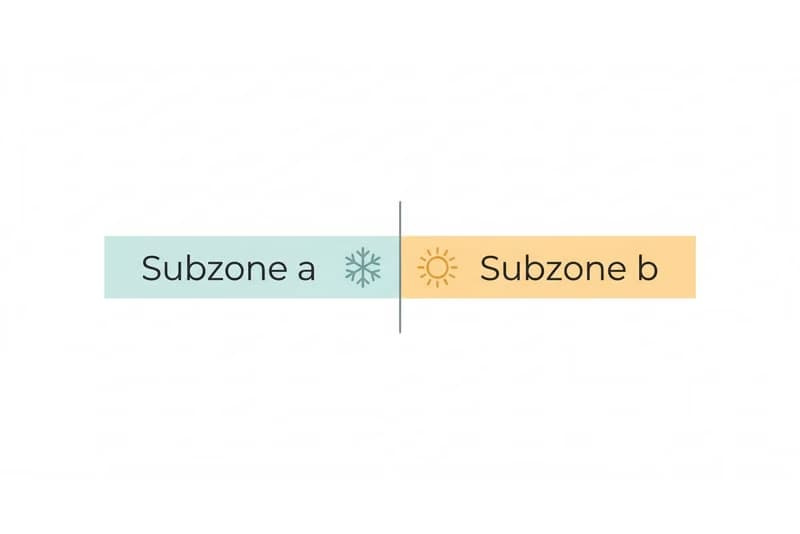
Understanding the Subzone Division
- Zone 7a (0°F to 5°F) — Centipedegrass suffers severe winterkill through sustained freezes, camellia flower buds freeze in late-winter cold snaps even when the foliage survives, and calla lily rhizomes rot in the ground unless lifted.
- Zone 7b (5°F to 10°F) — Centipedegrass becomes viable, camellias hold their buds through a normal winter, and calla lily overwinters in place under heavy mulch.
The core transition zone where both grass types compromise
Zone 7 covers ground where the average annual low runs between 0°F and 10°F — the Mid-Atlantic coastal plain and Piedmont, the Mid-South, northern Georgia and Alabama, Arkansas, Oklahoma, north Texas, lower Intermountain valleys, and the foothills ringing the Pacific Northwest valleys. The 2023 revision pushed this zone north. Philadelphia, Washington D.C., Richmond, and Nashville all moved from 7a to 7b, Oklahoma City moved to predominantly 7b, and Raleigh’s eastern suburbs are now edging into 8a.
This is the heart of the turfgrass transition zone, and it is the hardest lawn climate in the country. Warm-season grasses handle the summer easily and then sit straw-brown for months. Cool-season grasses stay green year-round and then collapse in July. Neither is fully adapted, which is why extension services here spend more time on this single question than any other. The internal spread is extreme too — the Southeast Piedmont sees more than 90 days above 86°F with dew points near 75°F, while Pacific Northwest foothills at the same winter rating see 20 to 40, with dry air and cool nights.
The Lawn & Turf Management Calendar
Spring (Mar-May)
- Cool-season: Put pre-emergent down in early to mid-March at 50°F to 55°F soil, mow at 3 inches, and skip heavy spring nitrogen, which sets up brown patch later.
- Warm-season: Green-up runs late April into early May as soil crosses 50°F to 55°F. Feed only after 80 to 100 percent green-up.
Summer (Jun-Aug)
- Cool-season: Raise the deck to its maximum 3.5 to 4 inches, water 1 to 1.5 inches weekly between 4 and 8 AM, and expect to spray preventively for brown patch.
- Warm-season: Peak growth. Mow bermuda at 1 to 1.5 inches, zoysia at 1 to 2, centipede at 1.5 to 2, and keep centipede nitrogen low.
Fall (Sep-Nov)
- Cool-season: Core-aerate and overseed between September 1 and October 15, then apply 1 lb of nitrogen per 1,000 square feet in both September and October to rebuild the roots summer destroyed.
- Warm-season: Stop nitrogen by mid-August for centipede and zoysia, early September for bermuda, so the turf hardens before frost.
Winter (Dec-Feb)
- Cool-season: Keep mowing as needed into November and clear fallen leaves, which smother turf and cause winter rot.
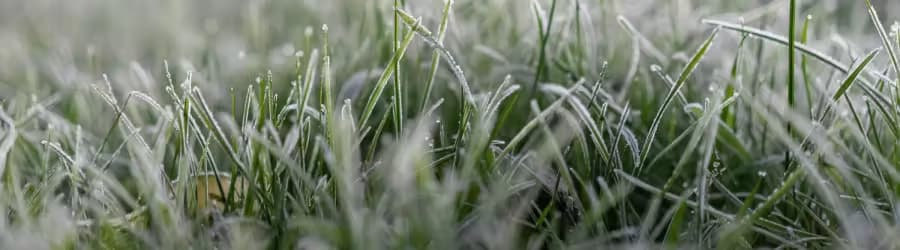
- Warm-season: Full straw-brown dormancy below 50°F soil. No irrigation at all, and keep high-traffic routes off dormant crowns.
The Lawn Care Strategy
Zone 7 sits at the center of the turfgrass transition zone, and there is no clean answer here — only an honest trade. Warm-season grasses run the C4 pathway, peak between 80°F and 95°F, and sail through a Southeast summer that would flatten anything else. The price is five months of straw-brown dormancy below 50°F soil, plus the risk that an arctic front dropping below 10°F injures crowns outright. Cool-season tall fescue holds color all winter and then hits its 85°F ceiling in July, where respiration outruns photosynthesis and roots die back. Keeping it alive through a Piedmont August takes deep irrigation, maximum mowing height, preventive fungicide, and annual fall overseeding. Extension services split on which trade to recommend, and that split is regional rather than scientific.
Lawn-Specific Tips & Local Risks
- Large patch is a fall infection you see in spring. Rhizoctonia solani enters zoysia and centipede when soil drops below 70°F in wet fall weather, then shows as orange-brown circles at spring green-up. Treating in May is treating the symptom months late — the control window is fall.
- Spring dead spot works underground through dormancy. It destroys bermudagrass roots all winter and leaves sunken bare patches that only appear at green-up. Fall hardening practice matters more than anything you do in spring.
- Piedmont red clay sets like rock when it dries. Cecil clay compacts hard, blocks root penetration, and makes turf wilt fast in drought. Annual fall core aeration is the practical fix, not more water.
The Plant & Ornamental Management Calendar

Spring (Mar-May)
- Prune azaleas and camellias right after bloom finishes, before they set next year’s buds.
- Plant summer corms and tubers — canna, dahlia, calla — once soil reaches 60°F in late April.
- Hold off on tender material until the last April freeze has passed.
Summer (Jun-Aug)
- Maintain a 3-inch mulch layer to blunt soil temperature spikes.
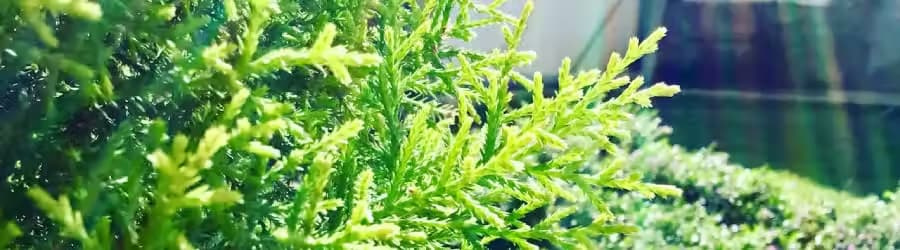
- Scout azaleas for lace bugs and conifers for spider mites through the heat.
- Irrigate ornamental beds deeply during dry spells rather than lightly and often.
Fall (Sep-Nov)
- Plant woody trees and shrubs now — this is the prime window in Zone 7, better than spring.
- Divide spring and summer bloomers while soil is still warm.
- Lift tender subtropical bulbs in 7a before the ground freezes hard.
Winter (Dec-Feb)
- Mulch over tender root zones once the ground has cooled.
- Prune summer-blooming trees and shrubs during dormancy.
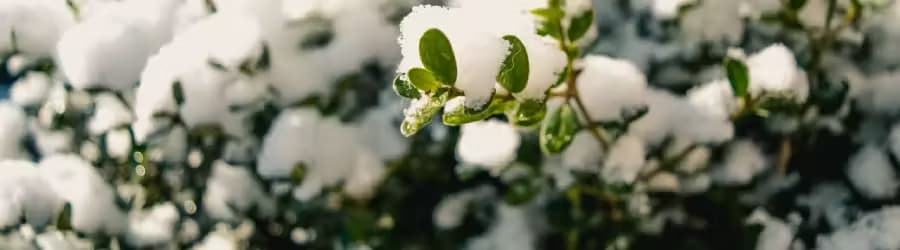
- Shelter cold-sensitive broadleaf evergreens from dry winter wind.
The Plant Care Strategy
Zone 7’s reputation is mild, and that is exactly what catches people out. The winter average sits between 0°F and 10°F, so a great deal of subtropical material almost works — and then a single arctic front takes it. Camellia flower buds are the classic case: the plant survives, the flowers do not, and you lose a season. The mirror problem is heat. Species adapted to cooler mountain climates, like bigleaf maple, hit their southern limit here and decline for reasons that look like disease but are simply summer. Between those two failure modes sits Piedmont red clay, which drains so poorly that Phytophthora root rot takes azaleas, rhododendrons, and boxwood during warm wet spells. Drainage, not hardiness, is what kills most shrubs in this zone.
Plant-Specific Tips & Local Risks
- Plant woody stock in fall, not spring. Fall planting gives roots months to establish before summer arrives. Spring-planted trees go into their first Piedmont July with no root system, which is the most common reason a new tree fails here.
- Urban masonry creates real Zone 8 pockets. In Washington, Richmond, and Philadelphia, heat held by brick and pavement lets fig and oleander overwinter aboveground where they would die in an open yard nearby. Treat those as microclimates, not as the zone.
- February warmth is a trap. Sustained mild spells pull sap and swell buds early, and the April freeze that follows destroys them. Choose later-blooming cultivars, and site early bloomers on north or east exposures that warm slowly.
Curated Species & Botanical Compatibility
Featured Grasses for This Zone
Zone 7 supports both systems and neither comfortably. Tall fescue is the cool-season standard, bermudagrass and zoysiagrass the warm-season ones. Centipedegrass is 7b only — sustained 7a freezes cause severe winterkill, making it the wrong choice for Richmond or Nashville. Perennial ryegrass here means winter overseeding into dormant turf rather than a permanent lawn, Kentucky bluegrass holds only on shaded northern sites, and buffalograss suits Oklahoma and north Texas.
Top Perennials
Top Trees & Shrubs
Marginal & At-Risk Species
These fail in two opposite directions. Subtropicals like centipedegrass, camellia, and calla lily hit their northern limit in 7a, where sustained freezes take flower buds or rhizomes even when the plant itself survives. Bigleaf maple hits its southern limit and declines from summer heat. Azalea, rhododendron, and boxwood fail for a third reason entirely — Phytophthora root rot in Piedmont clay that drains too slowly.
Deep Dives & Practical Guides
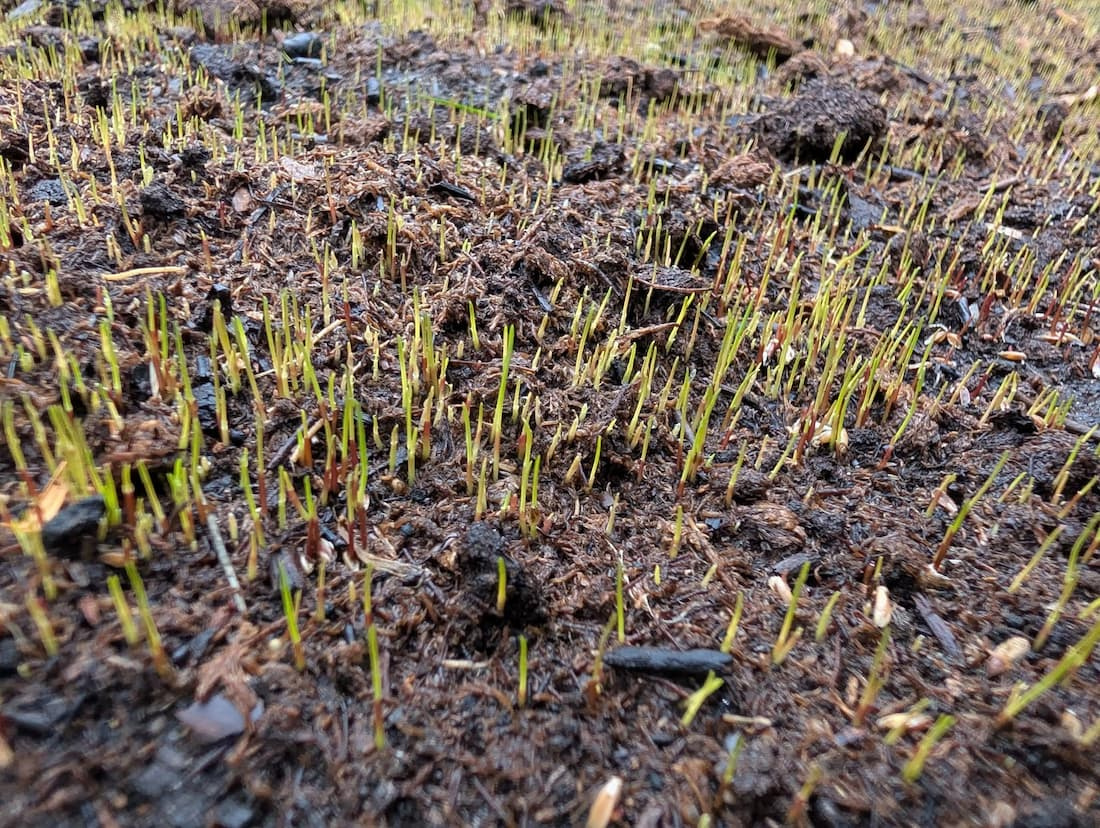
How to Establish a New Lawn From Bare Soil to First Mow
Bare soil doesn't turn into a lawn just because you scattered seed or rolled out sod — it becomes one based on a handful of specific steps done in the right order, matched to your specific grass. This guide walks through soil prep, seeding or planting method, starter fertilizer, watering as the grass grows, and knowing when it's actually safe to mow, for both cool-season and warm-season lawns.
Read Article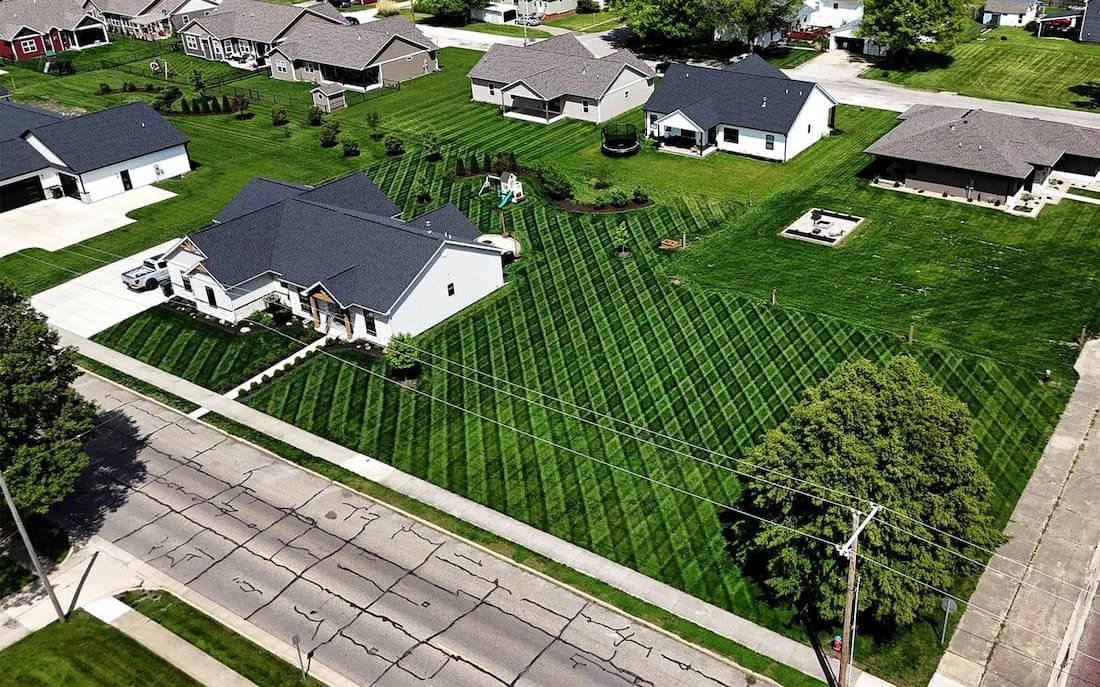
Cool Season vs Warm Season Lawn and Landscape Guide
Your lawn and your flower beds don't follow the same calendar — one runs on a cool-season engine, the other on a warm-season one, and using the wrong playbook on either can do real damage. This guide helps you figure out which system you actually have and how to care for it correctly, plus how the same cool/warm split applies to your ornamental beds.
Read Article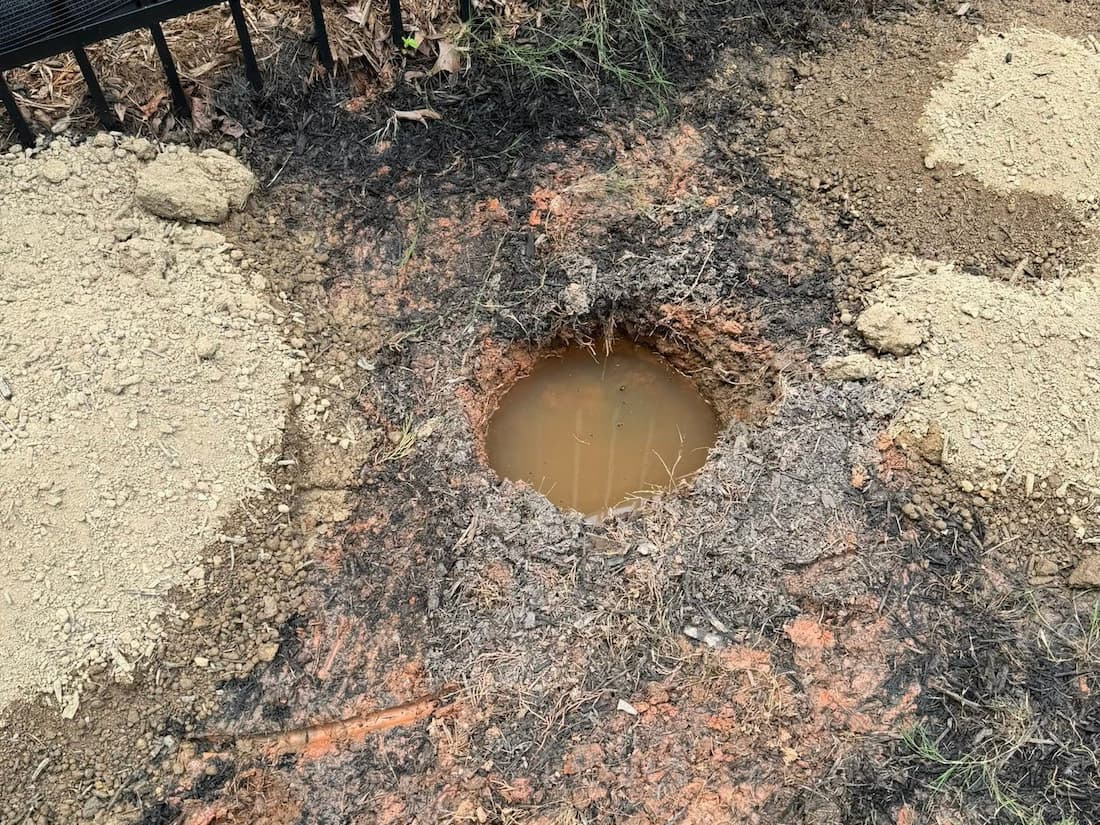
The Hole You Dug Is Killing Your New Plants
A shrub that looked fine all summer and stalled the next year usually didn't fail because of the plant, the weather, or the nursery. It failed because the hole it went into was a container — smooth-walled, water-holding, and impossible to root out of.
Read Article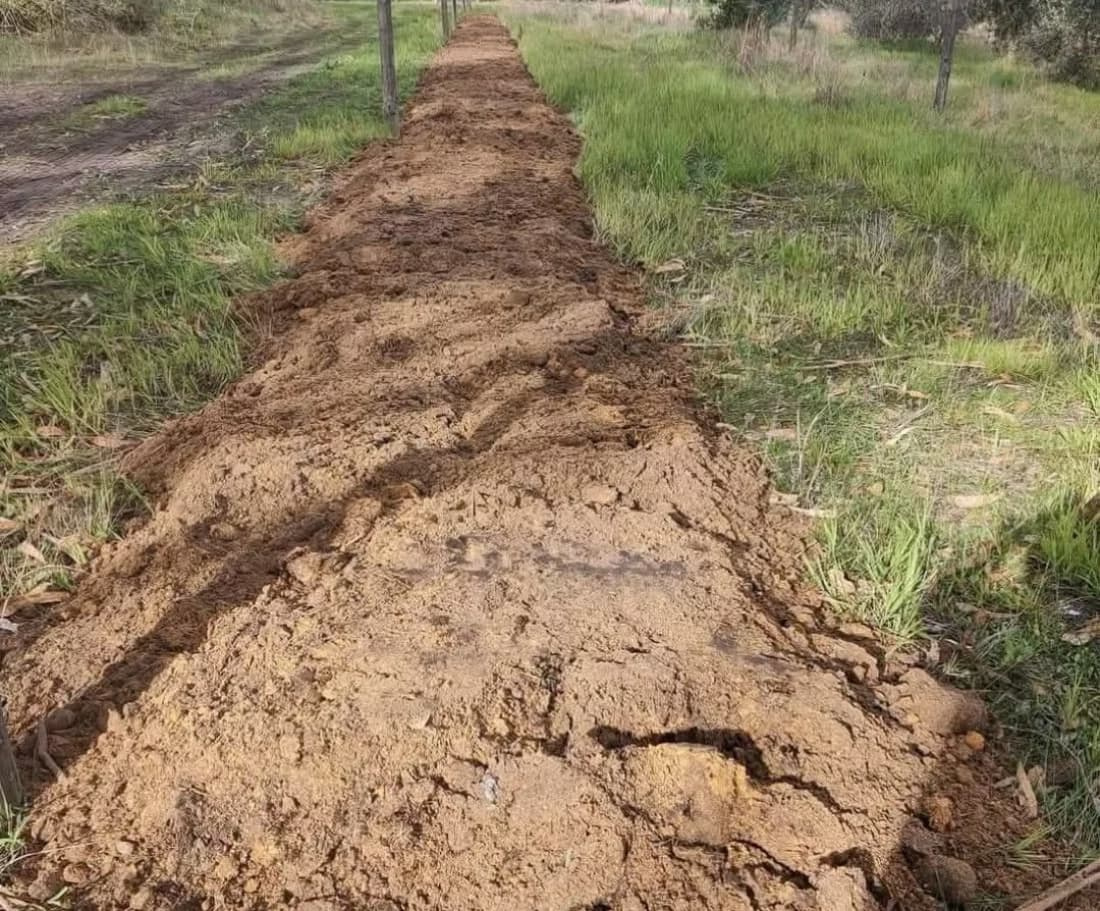
What You Can Actually Change About Bad Soil
Heavy clay and loose sand feel like permanent sentences, and half of that is true. What your soil is made of will not change. How those particles are arranged will — and that is the half that decides whether anything grows.
Read Article
Why Your Plants Survive Winter and Die in July
Your hardiness zone is built from one number — the coldest night of an average year. It says nothing about the hottest afternoon, which is what actually kills most plants people lose. Here's how to read the other half of the map.
Read Article
Why Poa Annua Keeps Coming Back — and the 3-Year Plan That Finally Ends the Cycle
You've pulled it. You've sprayed it. You've watched the little white seedheads mock you every single spring. And every fall, like clockwork, it's back — in the lawn, in the beds, in the cracks you didn't know you had. Here's the hard truth nobody at the big-box store will tell you: you're not losing because you're doing it wrong — you're losing because you're fighting the wrong enemy on the wrong timeline. Poa annua isn't a one-season problem, and once you understand why, the three-year plan below stops feeling like a chore and starts feeling like a countdown.
Read Article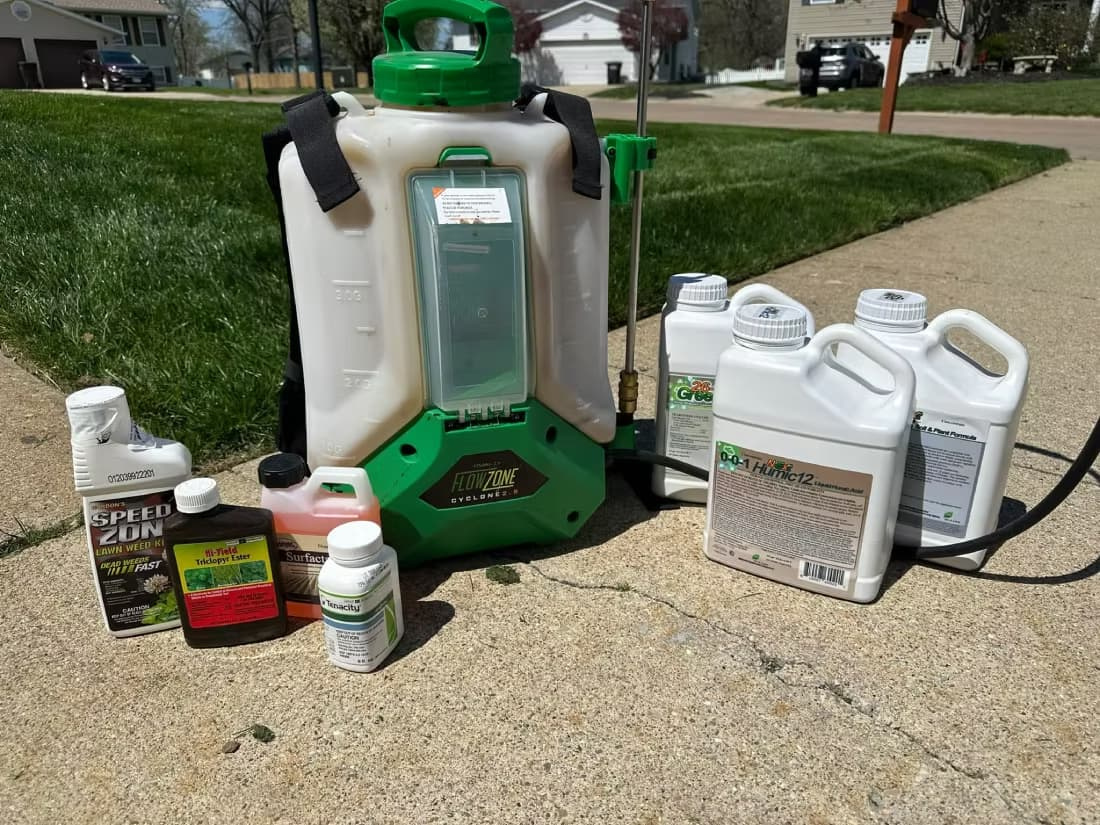
How to Apply Herbicides Correctly in Your Lawn and Garden Beds
Getting real results from a weed product has almost nothing to do with the brand on the bottle and everything to do with matching the method to the moment — the right chemistry, in the right place, at the right time. Learn how to apply herbicides correctly across both your lawn and your garden beds, whether you’re stopping weeds before they sprout or killing the ones already growing, without wasting product or harming the plants you want to keep.
Read Article
How to Kill Weeds Where Two Lawns Meet Without Harming Your Neighbor’s Grass
Controlling weeds along a shared property line is where good intentions quietly backfire—the season that's safe for your own lawn is often the season the lawn next door is most easily harmed. Learn the seasonal timing collision behind most fence-line damage, and the two habits that prevent it—reading what's actually in the bottle and spraying directed instead of broadcast—so you can clear the weeds without hurting your grass, your neighbor's, or the peace between you.
Read Article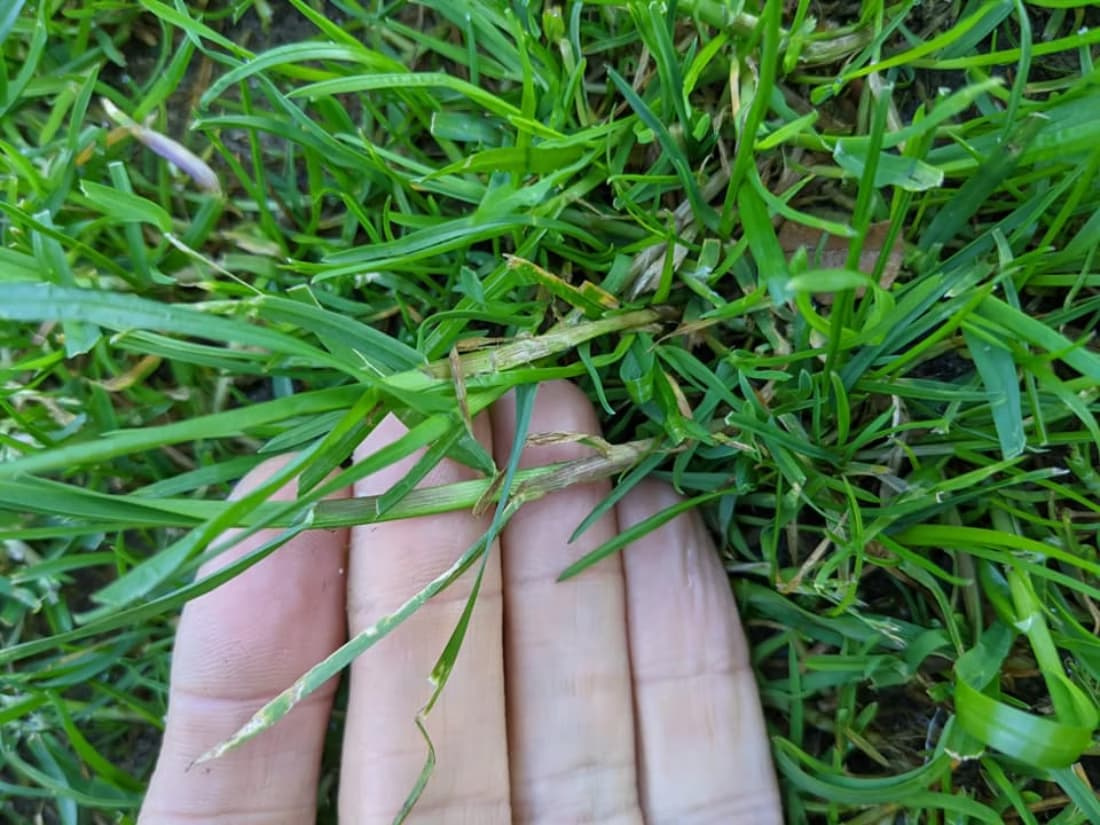
The Truth About One-and-Done Weed Control
Most homeowners lose the fight against weeds not because they work too little, but because they act before they understand. One-and-done weed control is real — but it only works when identification, timing, and the right tool all line up. This guide explains how that sequence works across your lawn and your ornamental beds, and how each weed page in the MFY hub puts it into practice for your specific invader.
Read Article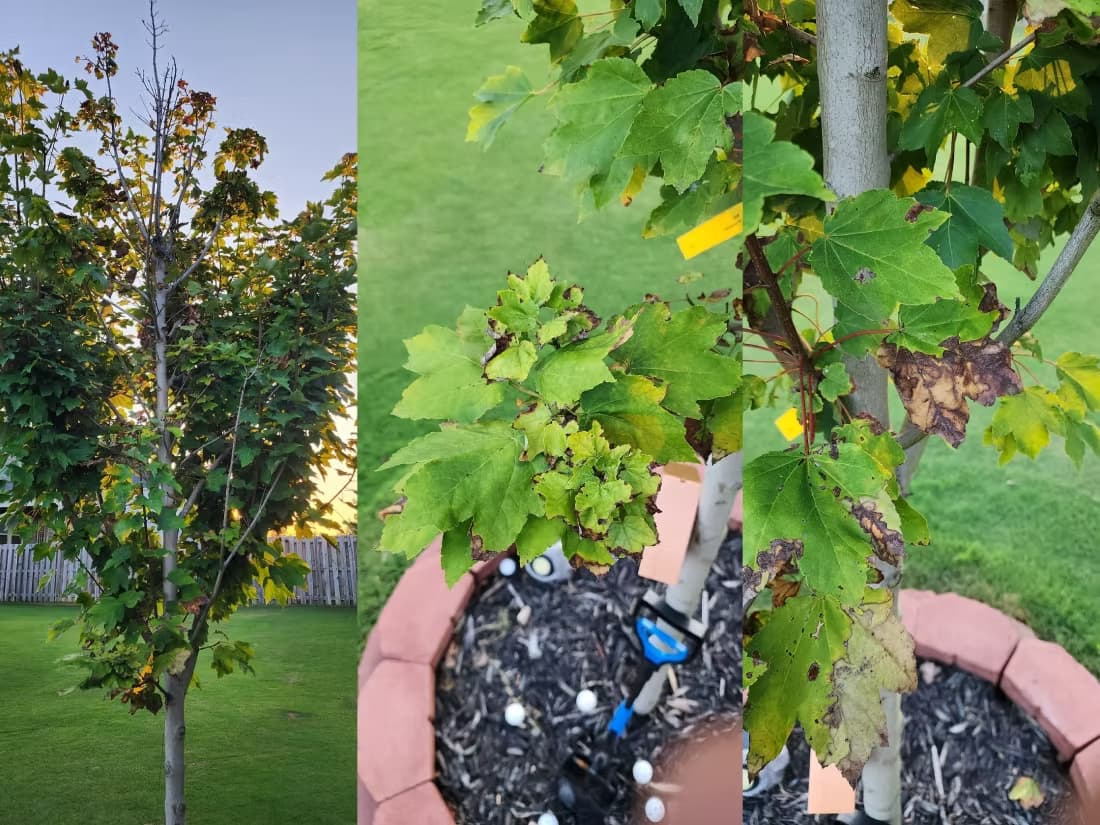
Solving the Mystery of the False Evidence in Your Lawn and Landscape
A brown leaf or a yellowing lawn is rarely what it seems. When symptoms act as decoys, a calm, forensic approach brings clarity to the confusion. Learn how to look past the surface to find the quiet truth of what your plants are truly asking for.
Read Article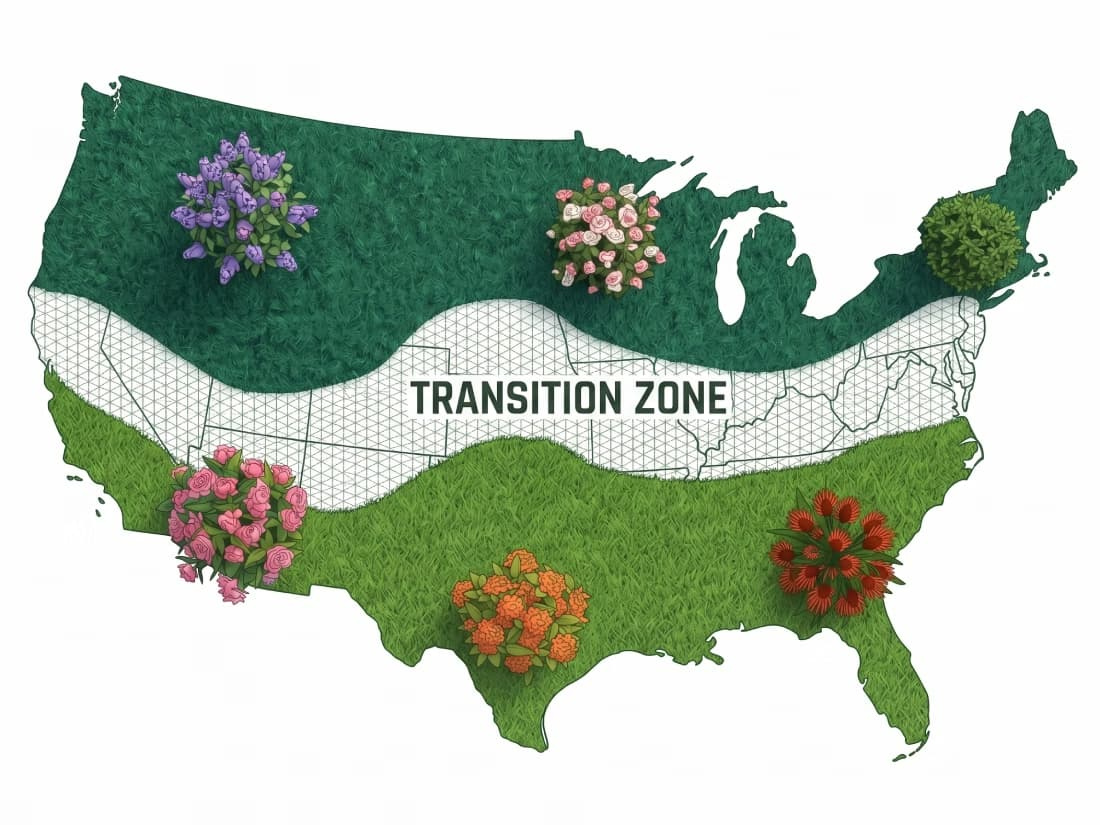
Living in the Middle: The Deep-Dive Guide to Transition Zone Lawns and Landscapes
The Transition Zone is a biological tug-of-war where neither northern nor southern species perfectly adapt. By using resilient "bridge" species and mastering maintenance levers like the Mowing Pivot, you can transform a struggling yard into a healthy landscape.
Read Article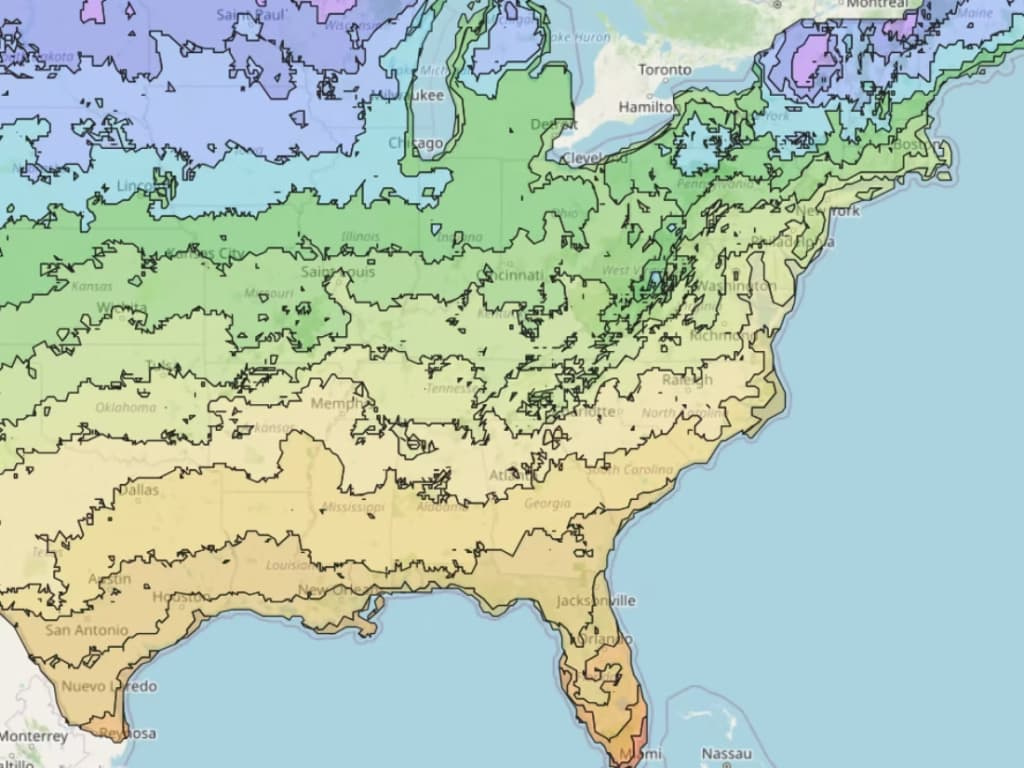
What Your Hardiness Zone Really Means for Your Lawn and Plants
Uncover the foundation of a resilient landscape by mastering the science of hardiness zones. Learn how these climate boundaries are calculated and why understanding your local temperature limits is the first step toward choosing plants that thrive year after year.
Read ArticleClimatic Transitions: Adjacent Hardiness Zones
Hardiness zones are not rigid boundaries but parts of a fluid climatic gradient. Exploring the data for a neighboring zone provides critical context for understanding how a slight shift in average minimum temperatures—even by a few degrees—can fundamentally alter your botanical survival windows and seasonal management strategy.
The Soil Profile Builder
Temperature dictates what grows, but soil texture determines how it thrives. Use our forensic tool to analyze your soil composition and integrate Hardiness Zone data with your unique subterranean conditions.
Build Soil ProfileFrequently Asked Questions
These are the questions extension services in this zone answer most often, and the misconceptions their diagnostic clinics correct most repeatedly.
Each answer explains the mechanism rather than just the fix. Once you know why something is happening, you can usually see it coming the following year — which is worth more than a treatment.
There is no universally right answer, which is why you get different advice depending on who you ask. Warm-season grasses like bermudagrass and zoysiagrass handle the summer without decline and need less water and fungicide, but they sit straw-brown from roughly November through April. Tall fescue stays green year-round, which most homeowners prefer, but surviving a Zone 7 summer costs deep irrigation, maximum mowing height, preventive fungicide for brown patch, and reseeding every fall. Pick based on whether you want winter color or a lower-input summer.
That is large patch, and the infection happened last fall. Rhizoctonia solani moves into zoysia and centipede when soil temperature drops below 70°F during wet fall weather, then the damage becomes visible as the lawn greens up in spring. Treating in May is months behind the disease — the meaningful control window is the previous fall, when soil is cooling and conditions are wet.
Brown patch. Rhizoctonia solani blights tall fescue fast once night temperatures stay above 68°F with high humidity and long leaf wetness — and in the Piedmont and Mid-South that describes most of July. It moves in a single humid night, which is why it seems to appear from nowhere. Early morning watering and generous mowing height reduce the leaf wetness hours that drive it.
A late-winter cold snap killed the flower buds while leaving the foliage intact. This is the standard 7a outcome — the plant is hardy enough to survive but the developing buds are not, so you get a healthy evergreen shrub that never blooms. In 7b the same plant usually holds its buds. If you are in 7a and want reliable flowers, the Ackerman series and similar cold-hardy hybrids were bred specifically for this.
Give the bermuda the advantage rather than attacking the ryegrass. As soil temperature passes 50°F, lower your mowing height, cut back irrigation, and apply nitrogen. Bermudagrass responds to all three; ryegrass does not, and it fades out under the heat as the bermuda takes over. Forcing the transition too early stresses the bermuda before it has fully greened up.
Piedmont red clay — the Cecil series — has extremely fine particles that lock together as they dry. The result blocks root penetration and stops water from soaking in, so turf wilts quickly even after rain. Annual core aeration in fall is the practical answer. Adding sand makes it worse rather than better.
September into early October, when soil sits between 60°F and 75°F. Seed germinates fast at that temperature and weed competition has dropped off, so seedlings get established before winter. Spring overseeding fights crabgrass germination and leaves young plants facing summer with immature roots — which is the worst possible timing in this zone.
Scientific Authority
Every figure on this page traces to one of three places: the 2023 USDA Plant Hardiness Zone Map, NOAA climate normals, or land-grant university extension research. Nothing comes from garden blogs or retail sites.
Seasonal timing is keyed to soil temperature and biological markers rather than calendar dates, because the calendar shifts by weeks from year to year and the soil does not. Where extension services disagree — and on the transition zone boundary they do — that disagreement is stated rather than smoothed over. The sources are listed here so you can check the work.
Primary Resources
- USDA Agricultural Research Service — 2023 Plant Hardiness Zone Map
- University of Tennessee Extension — Turfgrass Selection for Tennessee Landscapes
- Virginia Cooperative Extension — Turf and Landscape Publications
- Clemson University Cooperative Extension — Home and Garden Information Center
- North Carolina State Extension — Plant Toolbox
- University of Arkansas Division of Agriculture — Cooperative Extension Service
- Texas A&M AgriLife Extension — Aggie Turf