
Observations: Pale thin turf, clover and dandelion spreading
Low-Nutrient (Poor Soil)
Nothing to hold nutrients, so fertilizer washes straight through
Low-Nutrient (Poor Soil) At-a-Glance
Diagnostic Threshold
CEC below 10
Remediation Difficulty
Moderate
Recovery Timeline
Multi-year
How to Identify Low-Nutrient (Poor Soil)
Low-nutrient soil is usually a storage problem rather than a supply problem. The measure that matters is cation exchange capacity, the number of negatively charged sites on clay and organic matter where nutrients can cling. Below about 10 the soil struggles to hold what you apply; below 5 it holds almost nothing.
Turf goes uniformly pale green to yellow across whole areas, grows slowly, stops tillering, and thins out. Low-fertility weeds move into the gaps — white clover especially, which fixes its own nitrogen and does not care that the soil has none.
Two things distinguish it. Nutrient starvation yellows older leaves first, because nitrogen moves within the plant to where it is needed most, while iron chlorosis yellows the newest growth. And it produces uniform yellowing across large areas rather than the discrete patches or leaf lesions fungal disease causes.
Forensic Signs
What confirms a holding problem rather than something else:
- Uniform pale yellowing over large areas, with no distinct circles, rings, or spots on individual blades.
- Older, lower leaves yellowing before new growth. Nitrogen is mobile and the plant moves it to the tips.
- White clover, dandelion, and crabgrass colonizing thin turf. Clover in particular thrives where nitrogen is short.
- Light gray, pale yellow, or coarse red-tan topsoil that feels gritty and loose.
- Soil that crumbles apart and will not hold a ball when squeezed moist, indicating almost no aggregation.
- A visible green-up after fertilizing that fades within two or three weeks.
- Ornamentals with short internodes, sparse flowering, and leaves dropping early in fall.
Where It Shows Up
Coarse texture is the main cause. Sand and Loamy Sand have very little mineral surface area, so there is physically nowhere for nutrients to attach. That puts the Atlantic and Gulf Coastal Plains and the glacial outwash plains of the Upper Midwest squarely in this category.
Clay mineralogy matters too, and it surprises people. Kaolinite clay — the dominant clay of the weathered Southeast — has low surface area and low exchange capacity, so a heavy red clay soil can test surprisingly low. Smectite clays hold several times more.
The other big source is construction. On residential developments the topsoil is routinely stripped and the house sits on subsoil, which has little organic matter regardless of texture. If the lawn has never performed since the day you moved in, that is usually why. High rainfall accelerates all of it by leaching nitrate, potassium, magnesium, and boron below the roots.
Why Precision Matters: Treating the Root Cause
Noticing that your grass looks "off" or that water is pooling is a great start, but in yard care, the symptoms of different conditions often look exactly the same. Guessing whether your soil is acidic or just low on nutrients often leads to wasted effort and money on treatments that don't work. To truly fix a problem, you need a precise diagnostic that moves beyond a simple hunch.
We’ve built a specialized tool to give you that clarity. It’s completely free (and always will be), requires no signup or email, and is designed so you can return to your results whenever you need to adjust your recovery plan.
The MFY Soil Profile Builder
Our tool helps you move from observing a symptom to identifying the actual condition. By guiding you through simple field tests and sensory checks—like checking your soil’s pH or physical resistance—the tool handles the interpretation for you, delivering a clear diagnostic profile. This ensures you aren't just treating the "look" of your yard, but are addressing the specific state of your soil so it can get back to supporting healthy growth.
Build Your ProfileThe Diagnostic & Recovery Roadmap
The single most useful thing to understand here: fertilizer cannot raise cation exchange capacity. CEC is a physical property of how much clay and organic matter the soil contains. Fertilizer supplies ions that sit in solution and wash out; it does not create the charged surfaces that hold them. You raise CEC by adding organic matter, over years. Everything else on this page is about working within the capacity you currently have while you slowly build more.
Biological Impact
Low-CEC soils support small microbial populations, because microbes run on organic carbon and there is little of it. In coarse sand it decomposes fast in warm aerated conditions, so biomass stays low and natural nitrogen mineralization is minimal — the soil supplies almost nothing on its own.
Plants respond by sending long unbranched roots deep in search of mobile nitrate, at the cost of lateral branching and shoot density. Nitrogen-starved turf loses structural toughness, and dollar spot, red thread, and rust all take hold in grass too weak to outgrow them.
Chemical Blockade
Nothing is locked up chemically. There is simply nowhere to put it. Nutrient cations are held by electrostatic attraction to negatively charged colloid surfaces, and in a soil with a CEC under 10 those sites fill almost immediately.
Apply soluble fertilizer and roots capture some of the ions in solution; the rest leach past the root zone with the next rain. The same lack of buffering makes these soils lurch in response to lime or sulfur, so a single heavy lime application can overshoot straight into micronutrient lockup.
Immediate Stabilization
Work with the small capacity you have rather than against it.
- Stop heavy granular applications. Switch to spoon-feeding — small doses every 14 to 21 days during active growth.
- Move to slow-release nitrogen: methylene urea, sulfur-coated urea, or polymer-coated urea, at no more than about half a pound of nitrogen per 1,000 sq ft.
- Spray foliar chelated iron, manganese, and zinc. Leaf uptake bypasses the soil’s inability to hold them.
- Raise the mower to its highest setting and leave the clippings. More leaf area feeds the plant, and clippings recycle nutrients straight back.
Structural Remediation
Organic matter is the only real correction. It adds the charged surfaces the mineral fraction lacks, and unlike texture it is something you can actually change.
- New beds: work 2 to 3 cubic yards of well-composted leaf mold per 1,000 sq ft into the top 6 inches before planting.
- Established lawns: topdress a quarter inch of screened compost right after autumn core aeration, roughly 0.8 cubic yards per 1,000 sq ft, so it migrates into the holes.
- Expect a 3 to 5 year horizon for a measurable CEC change, and longer on pure sand where organic matter oxidizes fastest.
- Do not add clay. Raising the clay content of the top 6 inches by even 5 percent takes roughly 7.5 tons per 1,000 sq ft, and it clumps rather than mixing.
- Do not rely on peat moss. It decomposes in aerated topsoil within 2 to 3 years and turns water-repellent when dry. Composted leaf mold lasts far longer.
Prevention Rhythm
On a low-CEC soil this is permanent practice rather than a project with an end.
- Topdress compost annually. You are replacing what oxidized as much as adding to a total.
- Mulch clippings every mow. It is the cheapest nutrient return available.
- Split fertilizer into four to six small feedings a year instead of two heavy ones.
- Split lime applications too, no more than 25 to 30 lb per 1,000 sq ft at a time. Low buffering means a heavy dose overshoots.
- Soil test every 2 to 3 years. On these soils nutrient status changes faster than on heavier ground.
The Strengths & Challenges of Low-Nutrient (Poor Soil)
The Bright Side:
Excellent aeration in coarse low-CEC soils, so root hypoxia and waterlogging are essentially never a problem.
pH can be adjusted quickly with small amounts of lime or sulfur, because there is little reserve acidity to overcome.
Resists mechanical compaction well, holding pore space open even under regular foot traffic.
Suits a genuinely attractive low-input plant palette that struggles on richer ground.
The Main Hurdles:
Cannot hold applied fertilizer, so soluble nutrients leach past the root zone and into groundwater.
Low water-holding capacity means frequent irrigation on top of frequent feeding.
Low microbial biomass means the soil mineralizes very little nitrogen on its own.
Thin turf invites weed invasion, particularly clover, which thrives precisely because nitrogen is short.
Condition Compatibility & Relationships
Plants That Love This Condition
A large group of attractive plants evolved on infertile soil and perform badly when fed. On a low-nutrient site these are not a compromise — they are the plants that look best there, and they will look worse anywhere richer.
Trees and shrubs
- Eastern White Pine — thoroughly at home on poor sandy ground and untroubled by low fertility.
- Juniper — needs almost nothing, holds evergreen structure, and tolerates drought alongside poor soil.
- Lavender — genuinely better on lean soil. Rich ground produces soft floppy growth and shortens its life.
- Crape Myrtle and Yaupon Holly — both deep-rooted enough to scavenge widely for what little is there.
Perennials and grasses
- Sedum — thrives on poor ground and flops when fed.
- Little Bluestem, Switchgrass, and native prairie grasses — adapted to lean soils and deep-rooted enough to find diffuse nutrients.
- Yarrow and Coneflower — tough, deep-rooted, and better behaved on low fertility than on rich soil.
Grasses That Love This Condition
The low-input turfgrasses are genuinely low-input — they have modest nitrogen and potassium requirements and efficient uptake, so they hold color where hungrier grasses go pale.
- Centipedegrass — the lowest-fertility warm-season lawn grass there is, and it actively declines if overfed. Suited to the acidic sandy Southeast, which is exactly where low-CEC soils dominate.
- Fine Fescues — the cool-season equivalent. Low nitrogen demand, shade tolerance, and good performance on infertile sandy ground. This is one of the conditions where fine fescue is the right answer rather than the wrong one.
- Bahiagrass — deep-rooted and adapted to infertile Southeastern sands, requiring very little feeding to hold a serviceable lawn.
- Tall Fescue and Buffalograss — moderately tolerant, using extensive root systems to scavenge large soil volumes for diffuse nutrients.
Matching the grass to the fertility usually beats fertilizing a demanding grass indefinitely, both in cost and in how the lawn actually looks.
Plants That Struggle In This Condition
High-demand plants on low-CEC soil become a permanent feeding programme, and they still underperform because the nutrients wash through between applications.
- Hybrid Tea Rose — heavy feeder with high nitrogen and potassium demand. On sandy low-CEC soil it stays thin and flowers poorly no matter what you spend.
- Bigleaf Hydrangea — needs both steady moisture and steady nutrients, and low-CEC soils supply neither reliably.
- Flowering Dogwood — wants a deep, fertile, organic-rich root zone and declines slowly without it.
- Most annual bedding displays — bred for high fertility and fast growth, so they demand constant liquid feeding here.
All of these work in an amended bed that you commit to maintaining. Across a whole yard on naturally poor soil, they are an ongoing cost rather than a one-time fix.
Grasses That Struggle In This Condition
The high-input turfgrasses need more nitrogen and potassium than a low-CEC soil can hold between feedings, so they cycle between green and pale all season.
- Kentucky Bluegrass — high nitrogen demand and a shallow rhizome system. On low-CEC sand it thins, loses color between applications, and is prone to dollar spot when nitrogen runs short.
- Hybrid Bermudagrass — the improved hybrids are bred for high input and high growth rate, and they need the fertility to match. Common bermudagrass copes far better on poor soil.
- Perennial Ryegrass — establishes fast and then needs regular feeding to stay dense, with red thread showing up promptly when nitrogen is short.
If you are already growing one of these on poor soil, spoon-feeding with slow-release nitrogen works. It is just a permanent commitment rather than a correction.
Deep Dives & Practical Guides
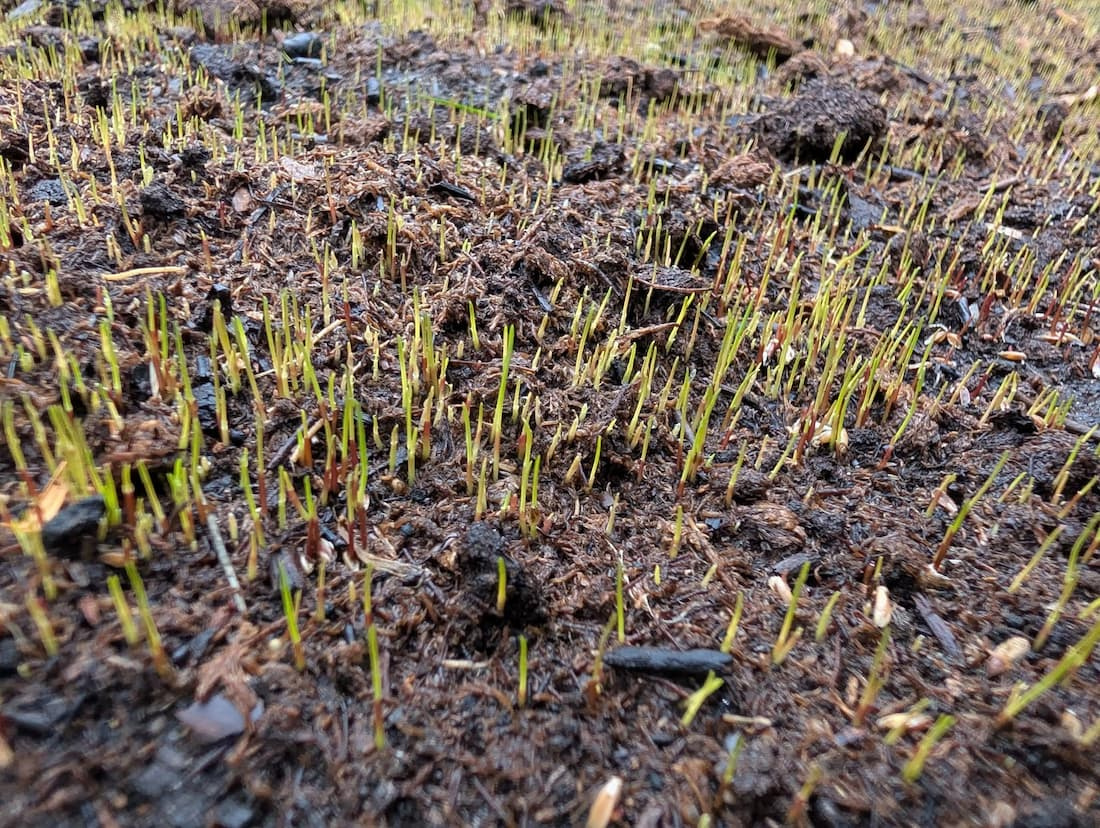
How to Establish a New Lawn From Bare Soil to First Mow
Bare soil doesn't turn into a lawn just because you scattered seed or rolled out sod — it becomes one based on a handful of specific steps done in the right order, matched to your specific grass. This guide walks through soil prep, seeding or planting method, starter fertilizer, watering as the grass grows, and knowing when it's actually safe to mow, for both cool-season and warm-season lawns.
Read Article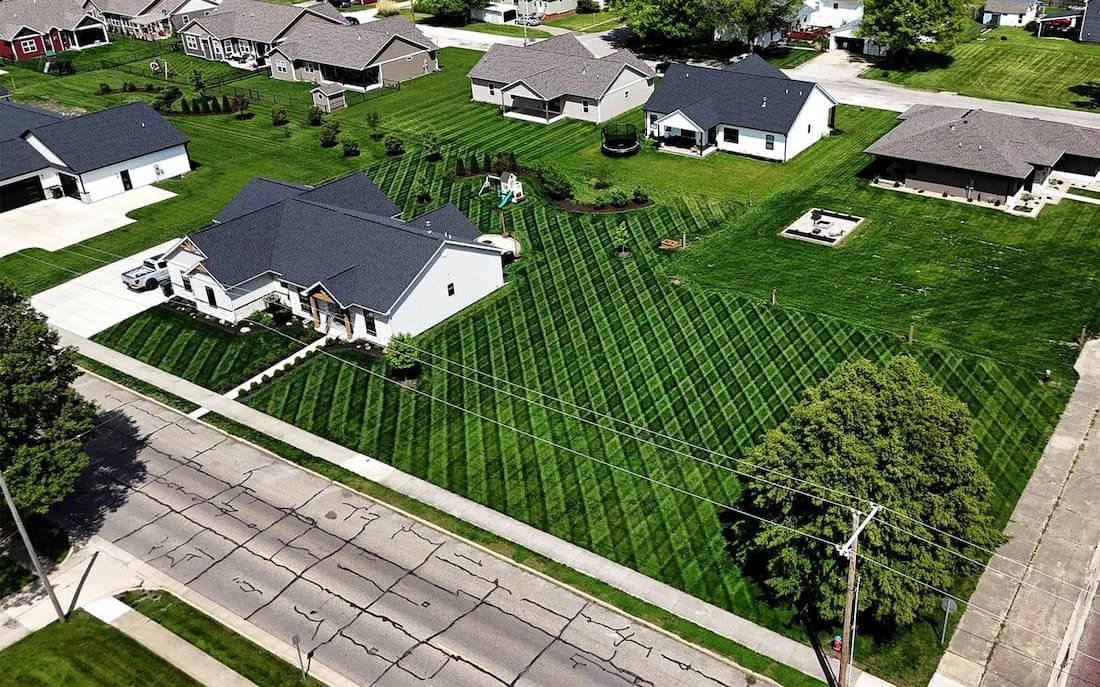
Cool Season vs Warm Season Lawn and Landscape Guide
Your lawn and your flower beds don't follow the same calendar — one runs on a cool-season engine, the other on a warm-season one, and using the wrong playbook on either can do real damage. This guide helps you figure out which system you actually have and how to care for it correctly, plus how the same cool/warm split applies to your ornamental beds.
Read Article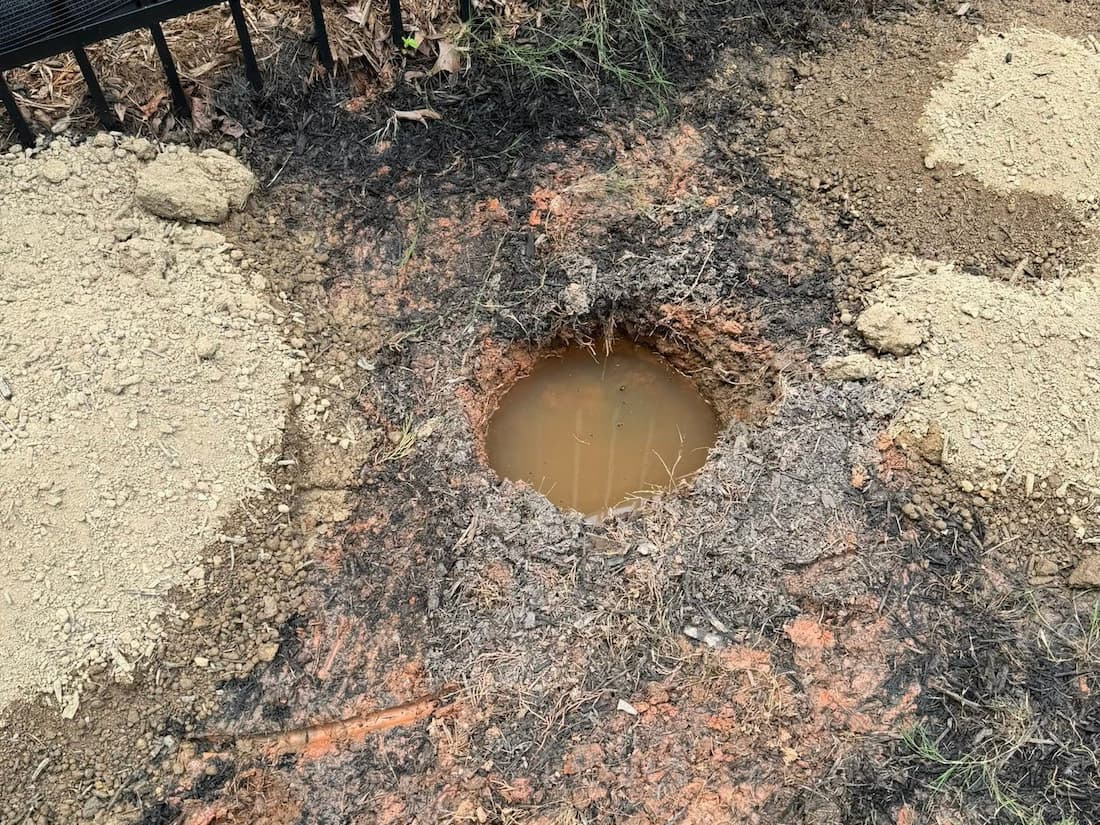
The Hole You Dug Is Killing Your New Plants
A shrub that looked fine all summer and stalled the next year usually didn't fail because of the plant, the weather, or the nursery. It failed because the hole it went into was a container — smooth-walled, water-holding, and impossible to root out of.
Read Article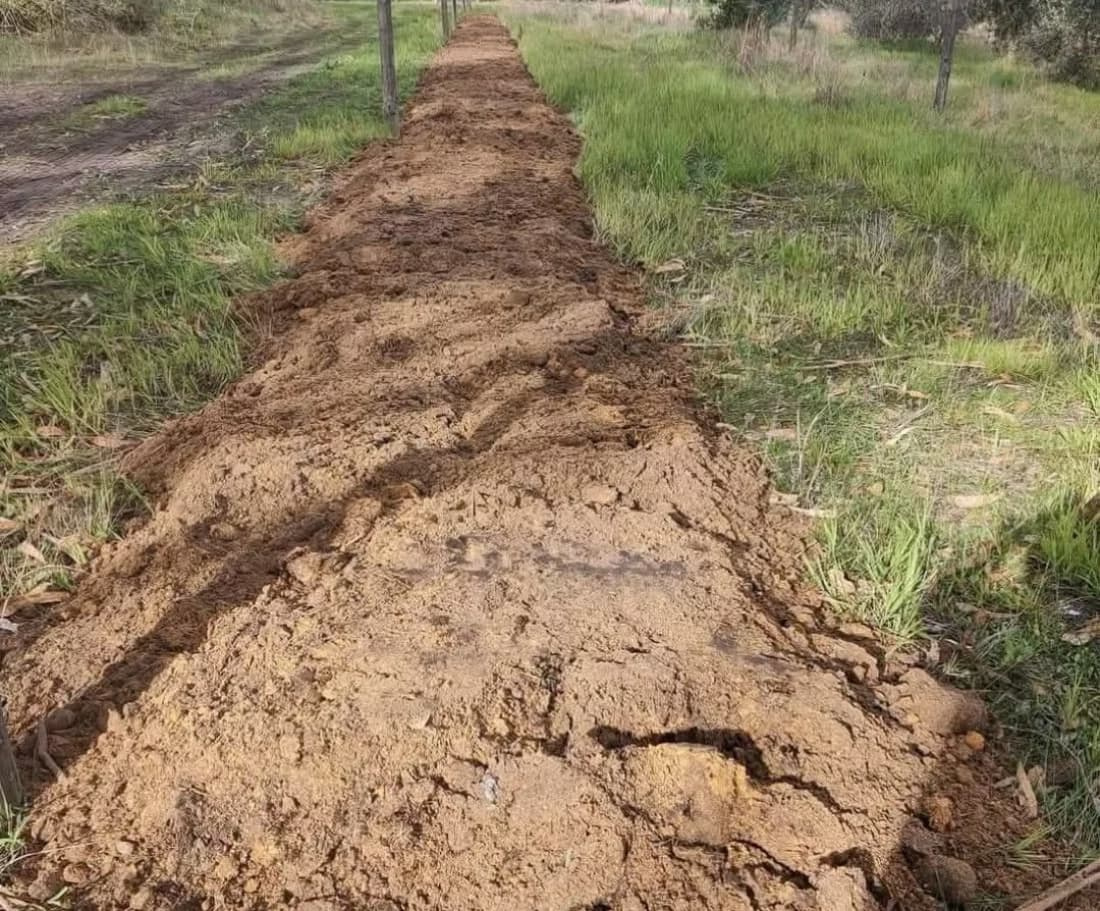
What You Can Actually Change About Bad Soil
Heavy clay and loose sand feel like permanent sentences, and half of that is true. What your soil is made of will not change. How those particles are arranged will — and that is the half that decides whether anything grows.
Read Article
Why Your Plants Survive Winter and Die in July
Your hardiness zone is built from one number — the coldest night of an average year. It says nothing about the hottest afternoon, which is what actually kills most plants people lose. Here's how to read the other half of the map.
Read Article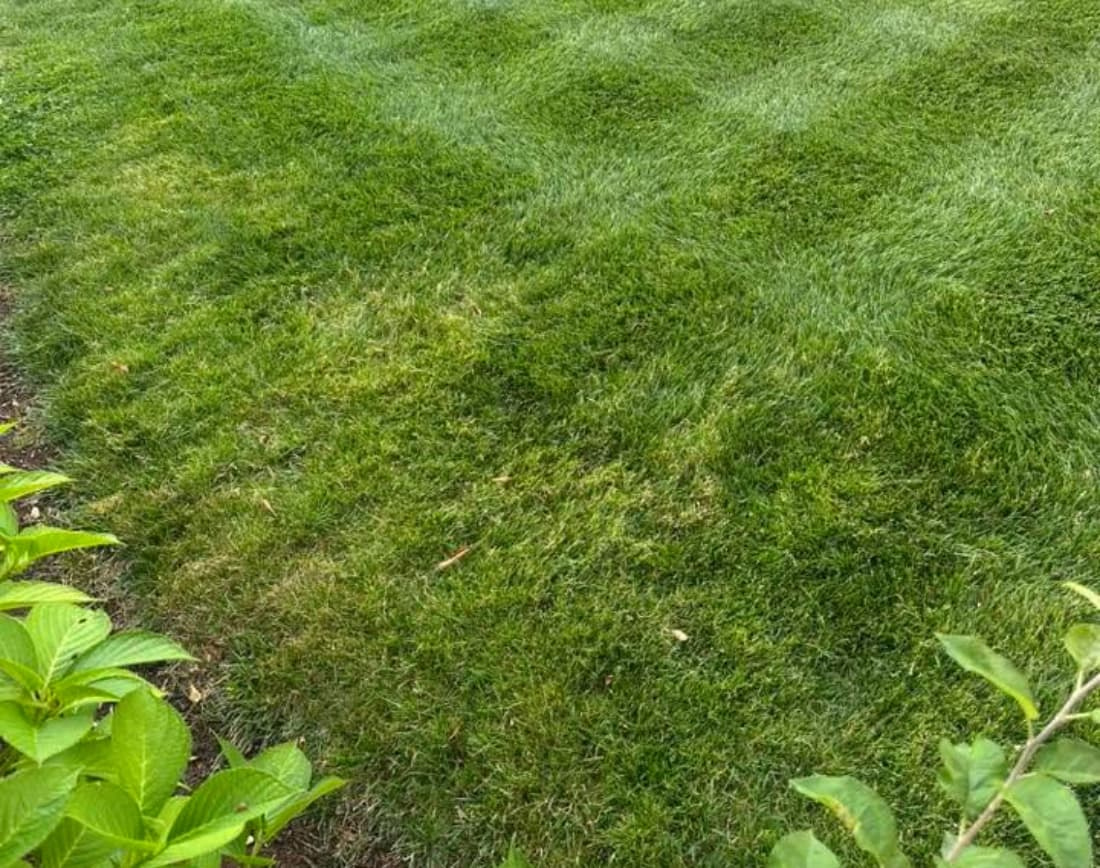
Why Poa Annua Keeps Coming Back — and the 3-Year Plan That Finally Ends the Cycle
You've pulled it. You've sprayed it. You've watched the little white seedheads mock you every single spring. And every fall, like clockwork, it's back — in the lawn, in the beds, in the cracks you didn't know you had. Here's the hard truth nobody at the big-box store will tell you: you're not losing because you're doing it wrong — you're losing because you're fighting the wrong enemy on the wrong timeline. Poa annua isn't a one-season problem, and once you understand why, the three-year plan below stops feeling like a chore and starts feeling like a countdown.
Read Article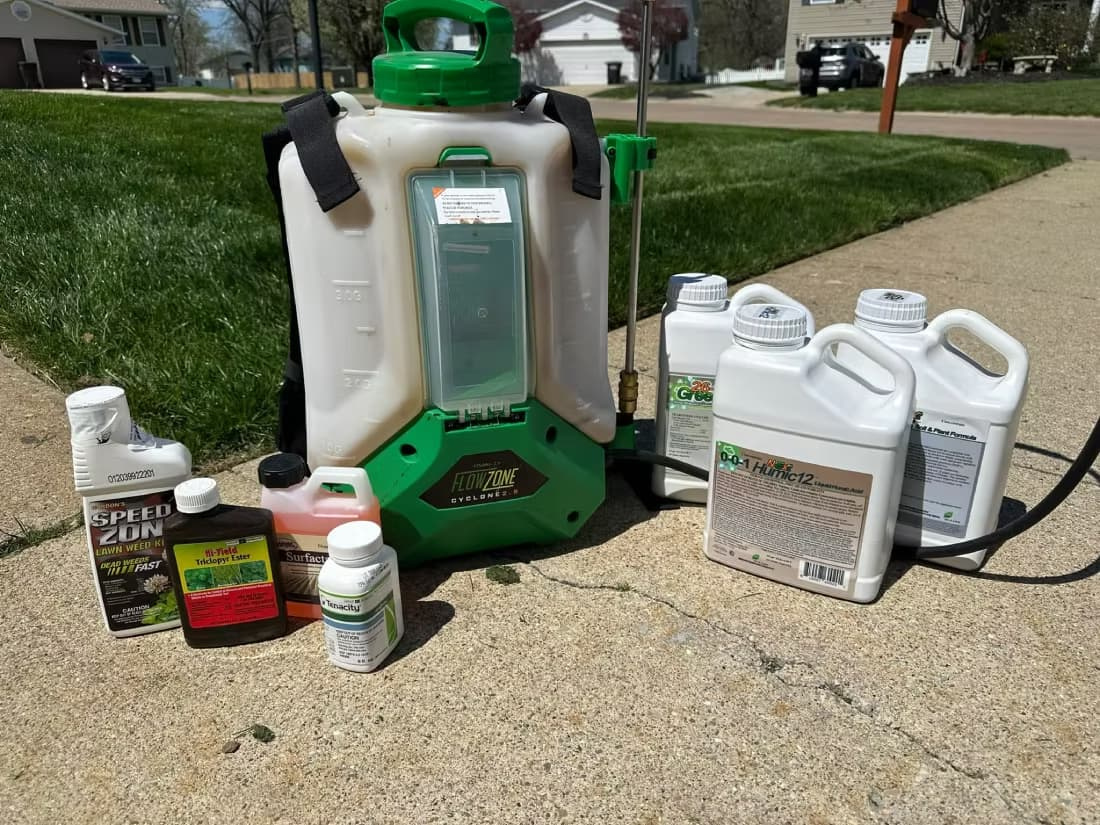
How to Apply Herbicides Correctly in Your Lawn and Garden Beds
Getting real results from a weed product has almost nothing to do with the brand on the bottle and everything to do with matching the method to the moment — the right chemistry, in the right place, at the right time. Learn how to apply herbicides correctly across both your lawn and your garden beds, whether you’re stopping weeds before they sprout or killing the ones already growing, without wasting product or harming the plants you want to keep.
Read Article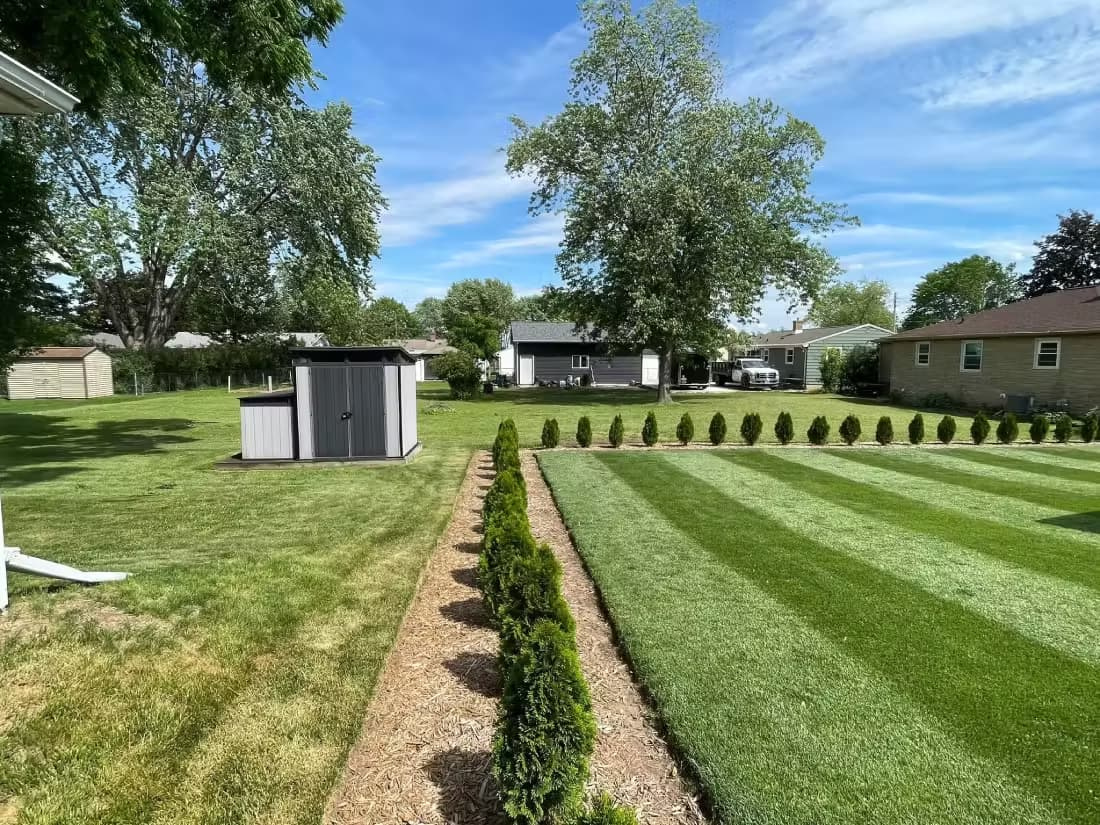
How to Kill Weeds Where Two Lawns Meet Without Harming Your Neighbor’s Grass
Controlling weeds along a shared property line is where good intentions quietly backfire—the season that's safe for your own lawn is often the season the lawn next door is most easily harmed. Learn the seasonal timing collision behind most fence-line damage, and the two habits that prevent it—reading what's actually in the bottle and spraying directed instead of broadcast—so you can clear the weeds without hurting your grass, your neighbor's, or the peace between you.
Read Article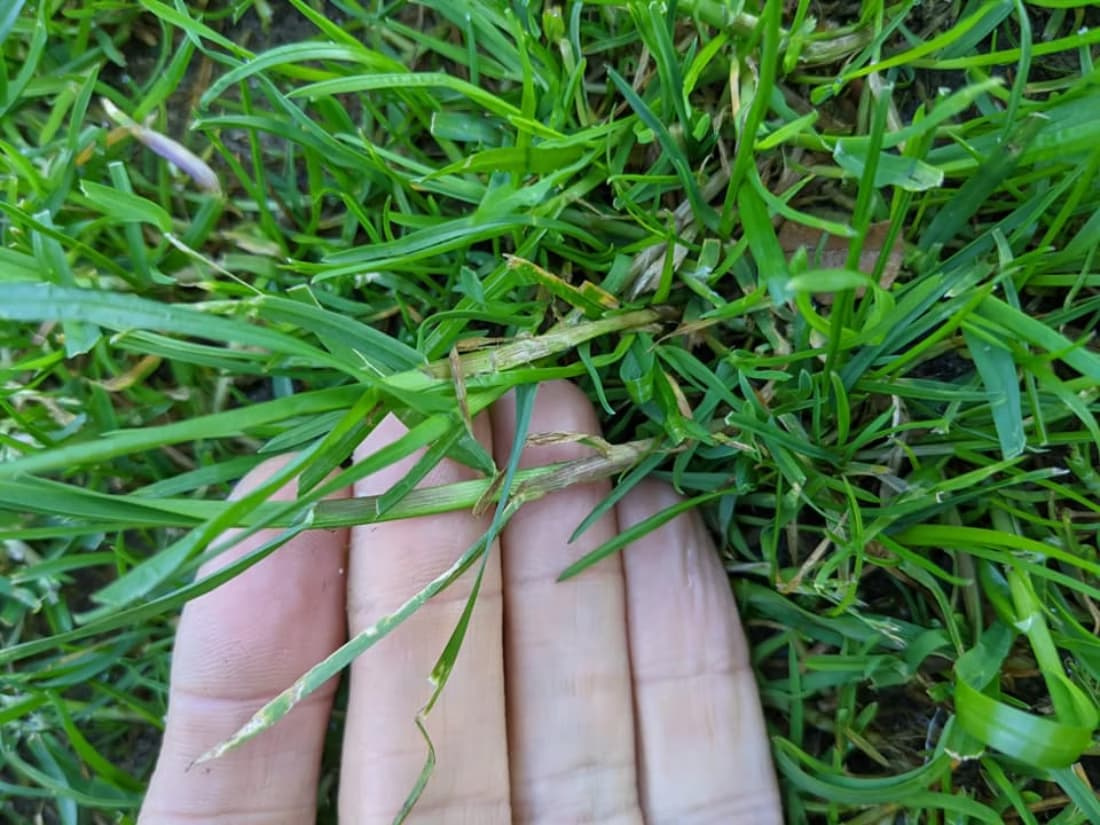
The Truth About One-and-Done Weed Control
Most homeowners lose the fight against weeds not because they work too little, but because they act before they understand. One-and-done weed control is real — but it only works when identification, timing, and the right tool all line up. This guide explains how that sequence works across your lawn and your ornamental beds, and how each weed page in the MFY hub puts it into practice for your specific invader.
Read Article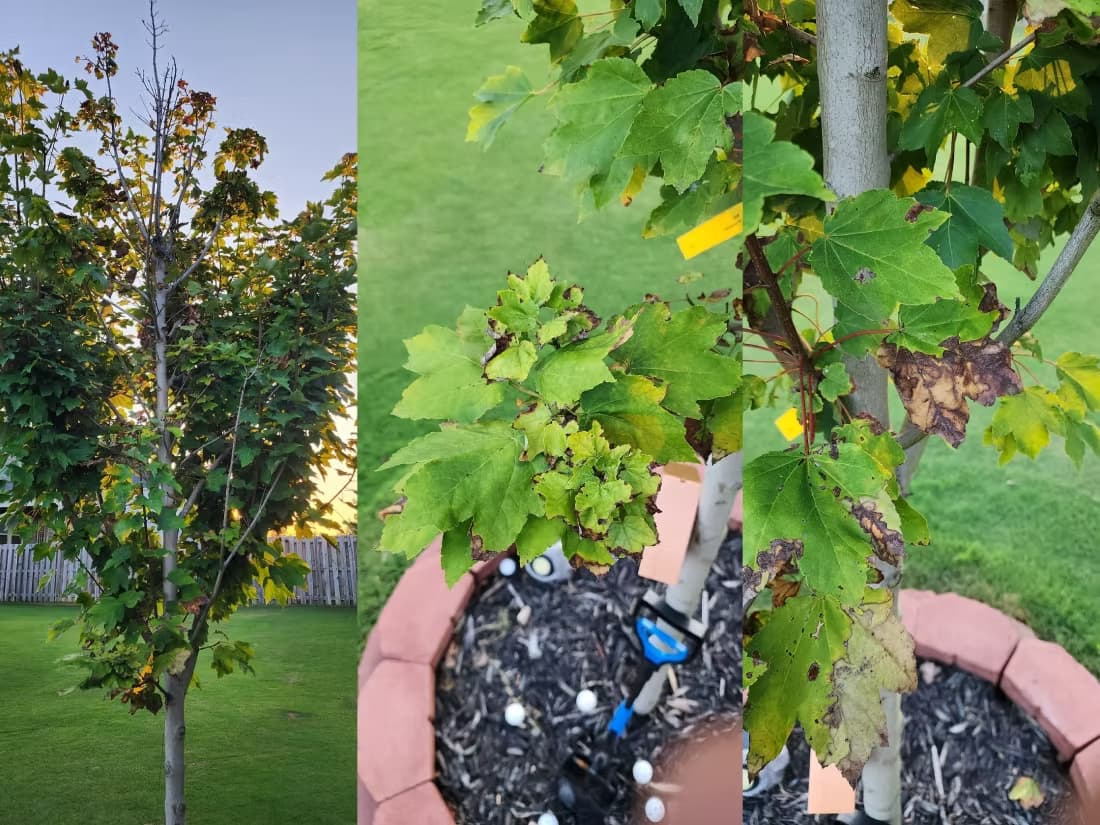
Solving the Mystery of the False Evidence in Your Lawn and Landscape
A brown leaf or a yellowing lawn is rarely what it seems. When symptoms act as decoys, a calm, forensic approach brings clarity to the confusion. Learn how to look past the surface to find the quiet truth of what your plants are truly asking for.
Read Article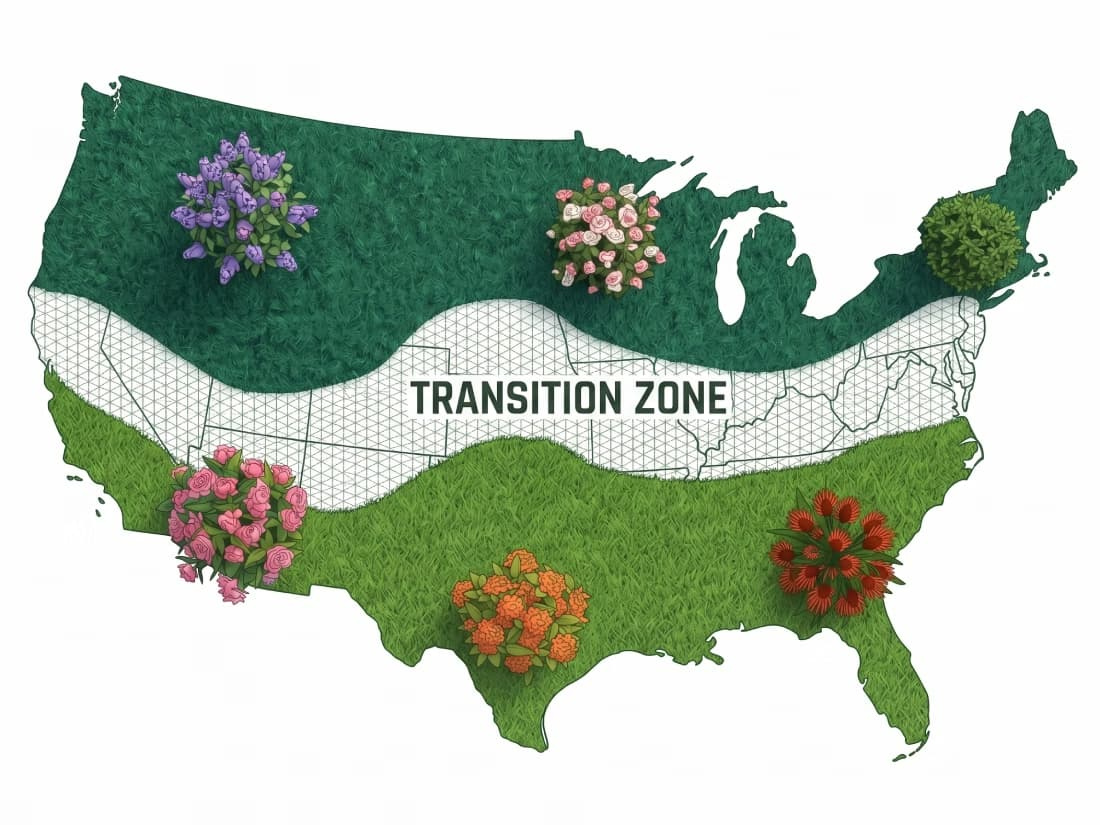
Living in the Middle: The Deep-Dive Guide to Transition Zone Lawns and Landscapes
The Transition Zone is a biological tug-of-war where neither northern nor southern species perfectly adapt. By using resilient "bridge" species and mastering maintenance levers like the Mowing Pivot, you can transform a struggling yard into a healthy landscape.
Read Article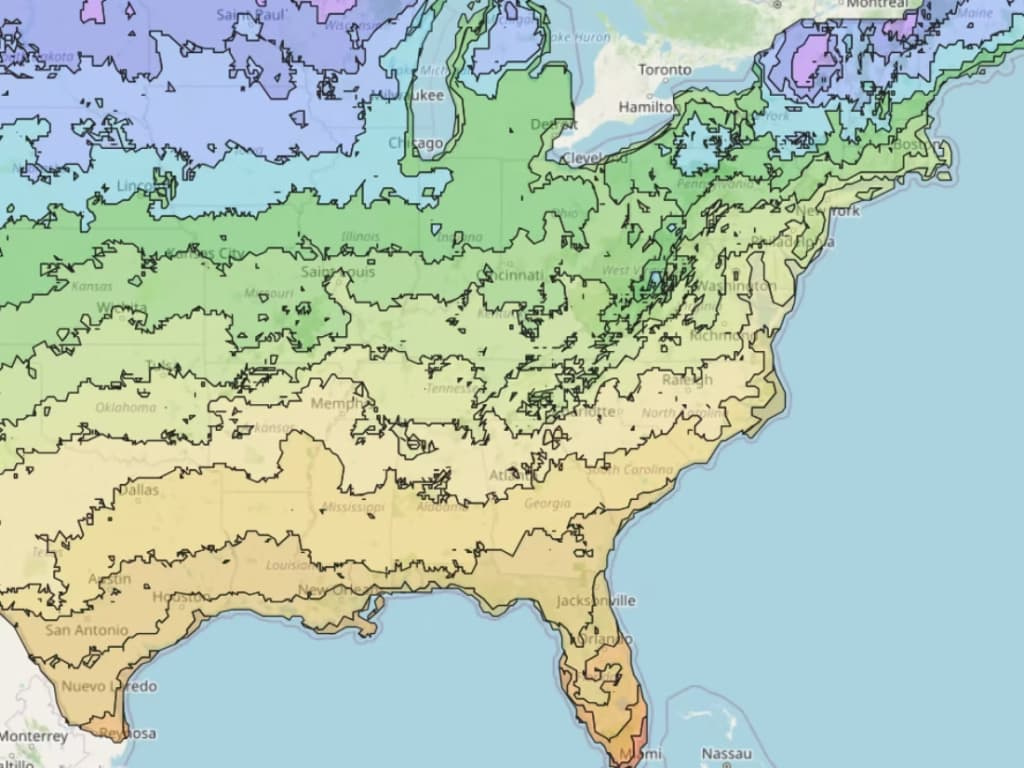
What Your Hardiness Zone Really Means for Your Lawn and Plants
Uncover the foundation of a resilient landscape by mastering the science of hardiness zones. Learn how these climate boundaries are calculated and why understanding your local temperature limits is the first step toward choosing plants that thrive year after year.
Read ArticleFrequently Asked Questions
These FAQs replace forum guesswork with research-backed data from leading agricultural institutions. We provide proven facts to ensure your yard care is grounded in the science of how your soil actually works.
Fertilizer will not raise it at all, and this is the most useful misconception to clear up. Cation exchange capacity is a physical property — it counts the negatively charged sites on clay particles and organic matter where nutrients can attach. Fertilizer supplies the nutrients themselves, not the sites. The only practical way to raise CEC is to add organic matter and keep adding it, which shifts the number over three to five years rather than in a season.
Because it is gone. In a soil with a CEC under about 5, there are almost no exchange sites to hold soluble nutrients, so the grass absorbs what it can from the soil solution and the rest leaches below the root zone with the first decent rain. The yellowing is the plant running out again. Switch to a slow-release nitrogen source, which releases gradually over weeks instead of dissolving all at once, and apply smaller amounts more often.
No. Raising the clay content of just the top 6 inches by 5 percent takes around 7.5 tons of clay per 1,000 square feet, and even that would barely register. Worse, raw clay does not blend into sand — it forms dense clods that make drainage and structure worse than before. Compost does what you are actually after: it adds the charged surfaces that hold nutrients, without the mixing problem, and it improves water retention at the same time.
No. Sphagnum peat moss does supply organic exchange capacity, but it decomposes quickly once mixed into aerated topsoil — typically losing most of its benefit within two to three years. It also becomes strongly water-repellent if it dries out completely, which can leave you with dry patches that shed irrigation. Composted leaf mold or well-finished yard waste compost produces longer-lasting humus and does not have the repellency problem.
Because low-CEC soils have very little buffering. On a clay soil, reserve acidity absorbs a lot of the lime before pH moves, which makes the response gradual and forgiving. On sand there is no reserve, so a single heavy application can overshoot straight past your target and up above pH 7.5, where iron, manganese, and phosphorus start locking up. Splitting it into doses of 25 to 30 pounds per 1,000 square feet, spaced several months apart, keeps it controlled.
Often that is the better answer, and it is worth considering seriously before committing to years of inputs. Plenty of attractive plants evolved on infertile soil and actively resent being fed — junipers, lavender, many native grasses, centipedegrass, and fine fescues among them. Feeding them produces soft growth and disease. If your soil is naturally poor, planting to suit it costs less, works immediately, and looks better than fighting the site indefinitely.
Scientific Authority
This profile is built on soil science and real-world field trials. Every tip—from watering to feeding—is backed by university research to ensure your soil’s 'hardware' stays healthy and sustainable for the long term.
Primary Resources
- USDA-NRCS — Soil Survey Manual, Chapter 3: Examination and Description of Soil Profiles
- USDA-NRCS — Soil Health Guide: Soil Organic Matter
- USDA-NRCS — Soil Health Guide: Cation Exchange Capacity
- NC State Extension — Soils and Plant Nutrients, Extension Gardener Handbook
- University of Missouri Extension — Soils, Plant Nutrition and Nutrient Management
- Michigan State University Extension — Understanding Cation Exchange Capacity and Base Saturation
- Penn State Extension — Soil Testing and Interpreting Your Results
- Colorado State University Extension — Soils, Fertilizers, and Soil Amendments (Colorado Master Gardener)
- University of Illinois Extension — Soil pH and Nutrient Availability